
What Causes Deformed Corn Kernels? Pollination Problems Explained for Gardeners
Few things disappoint gardeners more than peeling back an ear of corn and finding missing kernels, uneven rows, or poorly filled tips. You cared for the plants all season, watered faithfully, and managed weeds, yet the harvest still looks off. So what causes deformed corn kernels, and how can gardeners prevent it?
In most home gardens, the answer comes back to pollination. Corn has one of the most demanding pollination systems of any common vegetable crop. When something interferes with that process, the result shows up clearly as deformed corn, abnormal corn ears, or missing kernels. This article explains how corn pollination works, why problems happen, and what gardeners can do to improve successful pollination next season.

Why Pollination Is Critical for Corn
Corn is unique among garden crops because each kernel forms independently. Every single kernel on an ear of corn requires its own successful pollination event. If pollination fails at any point, that kernel never develops.
This is why corn pollination issues and corn pollination problems are so visible compared to other crops. Poor pollination leads to fewer kernels per ear, incomplete rows, or ears that taper sharply. These problems are especially noticeable in sweet corn, making sweet corn pollination problems one of the most common complaints from gardeners.
Corn Varieties to Support Strong Pollination
Choosing vigorous, well-adapted varieties can improve plant health and reduce the risk of deformed corn and poor kernel fill.
Sweet Corn (Most Sensitive to Pollination Gaps)
- Honey and Cream Corn Seeds
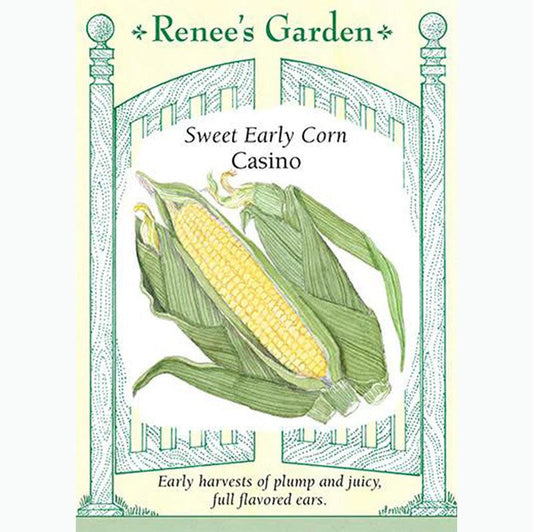
- Casino Sweet Early Corn Seeds
- Sugar Buns Corn Seeds
- Sweet New Mama Corn Seeds (Organic)
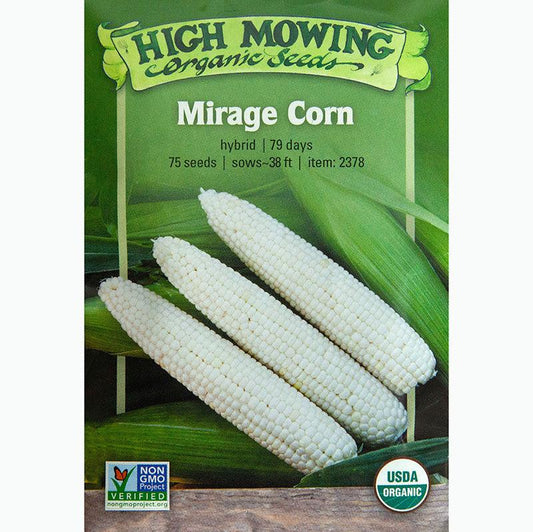
- Mirage F1 Sweet Corn Seeds (Organic)
- Temptress Corn Seeds
- Supersweet Jubilee Corn Seeds
- Serendipity Corn Seeds
- Double Standard Corn Seeds (Organic)
Because sweet corn is harvested fresh, incomplete pollination is more noticeable, making proper spacing and block planting especially important.
Popcorn & Dry Corn (Left to Fully Mature)
- Cherokee Long Ear Popcorn Corn (Organic)
- Organic Corn, Cherokee Long Ear Popcorn (1/4 lb)
- Dakota Black Popcorn Corn
- Painted Mountain Corn Seeds (Organic)
- Organic Corn, Painted Mountain (1/2 lb)
These varieties remain on the stalk longer but still rely on complete silk pollination for full kernel development.
Healthy, well-spaced corn plants grown from strong seed are the first step toward fuller ears and fewer pollination problems.
Corn Plant Flowering and Growth Stages
Understanding Corn Plant Flowering
To understand how corn pollinates, it helps to look at the plant’s growth stages. Corn plants produce separate male and female flowers on the same stalk.
- The tassel at the top of the plant releases pollen.
- The ears form lower on the stalk, each with long silks.
Each silk is connected to a single ovule inside the developing ear. During corn plant flowering, pollen must land on the silk while it is still fresh and receptive to pollen. If that silk dries out or is damaged before pollen arrives, fertilization fails.
This process, known as ovule fertilization, triggers pollen tubes to grow down the silk to the ovule. When that process works, kernels developed normally. When it fails, the result is missing or underdeveloped kernels.

How Is Corn Pollinated?
Wind Does the Work
Gardeners often ask, how is corn pollinated, or even does corn need pollination from bees. Corn is wind pollinated, not insect pollinated.
Pollen is shed from tassels and carried by air currents onto exposed silks. This explains how corn pollinates and why planting patterns matter so much. Corn planted in blocks performs far better than corn planted in long, single rows.
So yes, does corn need to be pollinated? Absolutely. Without pollination, kernels cannot form.
If you are new to corn growing, the beginner’s guide to growing corn explains spacing and layout in more detail.

What Causes Deformed Corn Kernels in Home Gardens?
The Most Common Pollination Failures
When gardeners see uneven ears, the root cause is almost always one or more of the following pollination issues in corn.
Poor Pollen Distribution
If pollen does not reach all silks, kernel formation stops. This leads to developing ears with gaps or bare tips.
Timing Problems
If tassels shed pollen before silks emerged, or if silks appear after pollen shed has slowed, fertilization fails. This mismatch is one of the most common corn pollination problems.
Drought Stress
Drought stress during flowering dries silks early, making them less receptive to pollen. Even short dry periods can result in kernel abortion.
Heat Stress
High temperatures reduce pollen viability and shorten the window for fertilization. Heat stress is a major factor in poor kernel fill during hot summers.
Excess Water
Overwatering reduces oxygen at the roots, weakens plants, and interferes with ear development. Gardeners often ask what overwatered corn looks like. Pale leaves, poor growth, and uneven ears are common signs.

Other Factors That Affect Ear Development
Beyond Pollination
Not all problems are strictly pollen-related, but many still affect ear development.
- Herbicide injury can distort silks and tassels, reducing pollination.
- Insect damage, including feeding by the corn rootworm beetle, can stress plants during flowering.
- Poor growing conditions, such as compacted soil or nutrient imbalance, weaken corn plants and reduce pollen production.
Healthy corn plants are far more likely to support strong developing kernels.
For guidance on improving overall plant vigor, see maximizing corn growth and yield.
How to Pollinate Corn by Hand
Helping Nature Along
Gardeners with small plantings often ask how to pollinate corn manually. Hand pollination can help when wind is limited or weather is unstable.
To hand pollinate:
- Gently shake tassels in the morning when pollen is most viable.
- Allow pollen to fall onto exposed silks.
- Repeat for several days as new silks appear.
This answers both how do you pollinate corn and pollinating corn effectively in small gardens.
If you garden in tight spaces, growing corn in small spaces offers additional layout strategies.

Sweet Corn vs Other Corn Types
Why Sweet Corn Shows Problems More Clearly
All corn types rely on the same pollination process, but sweet corn often shows defects more clearly because it is harvested before kernels fully mature. Missing kernels stand out more on fresh sweet corn than on dry or popcorn varieties.
Choosing varieties adapted to your climate reduces risk. The article on choosing the right corn varieties helps gardeners match seed to conditions.
Preventing Pollination Problems Next Season
Practical Steps Gardeners Can Take
To reduce corn pollination issues in future plantings:
- Plant corn in blocks, not single rows.
- Water consistently during flowering.
- Avoid excess nitrogen, which delays silk emergence.
- Protect plants from stress during flowering.
Companion planting can also help maintain healthier plants. The Three Sisters companion planting method supports strong growth and reduces stress during key stages.
Can You Eat Deformed Corn?
Safety and Quality
Gardeners often wonder if deformed corn is safe. In most cases, yes. Pollination failure does not make corn unsafe to eat.
Undeveloped kernels may be chewy or missing, but the rest of the ear is fine as long as there is no mold or rot. This answers common questions like can you eat underdeveloped corn and is it safe to eat deformed corn.
Conclusion
So, what causes deformed corn kernels in the home garden? Nearly always, the answer lies in pollination. Understanding how corn pollinates, recognizing stress during flowering, and adjusting planting practices can dramatically improve results.
By focusing on proper spacing, consistent watering, and healthy growing conditions during corn plant flowering, gardeners can improve successful pollination, reduce kernel abortion, and harvest fuller, more uniform ears.