What Is a Rutabaga? Identification, Taste, Size, and Essential Facts About This Root Vegetable
If you've ever wondered what is a rutabaga, you're not alone. Rutabagas are often confused with turnips because they look similar. However, they are different vegetables with their own flavor, size, and growing habits.
Sometimes called a Swedish turnip or “swede,” rutabaga is a cool-season root crop that grows well in home gardens. It stores for months after harvest and develops a sweeter flavor after light frost. This guide explains how to identify rutabagas, what do rutabaga taste like, and why many gardeners enjoy growing them.

What Does a Rutabaga Look Like?
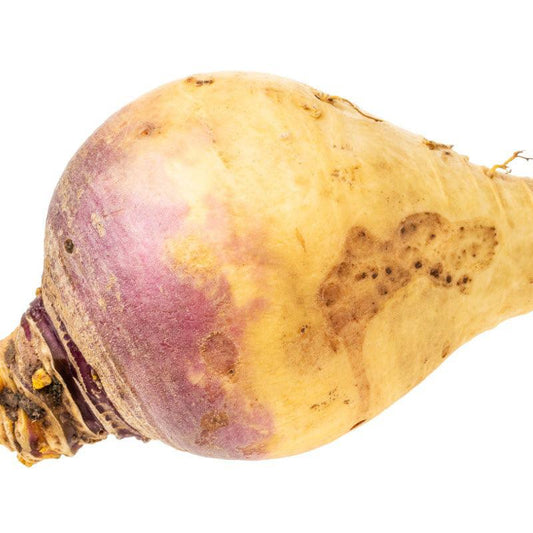
Rutabagas are round to slightly oval with a purple-red shoulder and a tan or cream-colored lower half. Inside, they have firm yellow flesh, which helps separate them from most turnips.
The rutabaga size is another clue. The average size of a rutabaga is about 3 to 5 inches across, although larger roots are common. If you’re wondering how big is a rutabaga, many mature roots weigh between 1 and 3 pounds.
Rutabagas belong to the brassicas family and are believed to have developed as a natural cross between a turnip and cabbage, probably in northern Europe. Their close relationship explains why gardeners often compare rutabagas and turnips. Although some people call rutabagas a yellow turnip, they are a different crop.
What Does a Rutabaga Taste Like?
Many people ask what do rutabagas taste like before trying one.
The rutabaga flavor is mild, earthy, and slightly sweet. Young roots have a gentle bite, while cooked roots become richer and sweeter. Many gardeners describe the flavor of rutabaga as a mix of cabbage, carrot, and sweet potato. The taste of rutabaga is milder than many expect, especially after roasting.
Although rutabaga can be eaten raw, most people prefer cooking rutabagas because heat softens the root and brings out its natural sweetness.
What Is Rutabaga Good For?
It is a versatile vegetable that can be roasted, steamed, added to soups, or served as creamy mashed rutabaga. Many cooks also roast cubed rutabaga with olive oil and herbs or mix it with potatoes and sweet potatoes for a hearty side dish.

Can You Eat Rutabaga Greens?
Yes. Can you eat rutabaga greens? Absolutely.
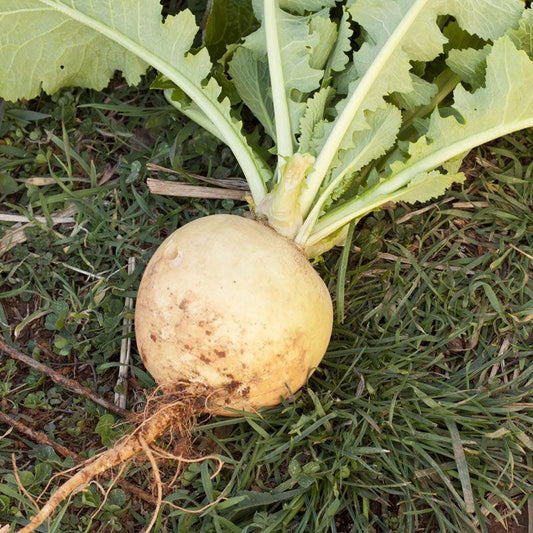
The young leaves can be cooked much like turnip greens. They have a stronger flavor than spinach but become tender after steaming or sautéing. Harvest only a few leaves from each plant if you also want large roots.
Growing Rutabagas at Home
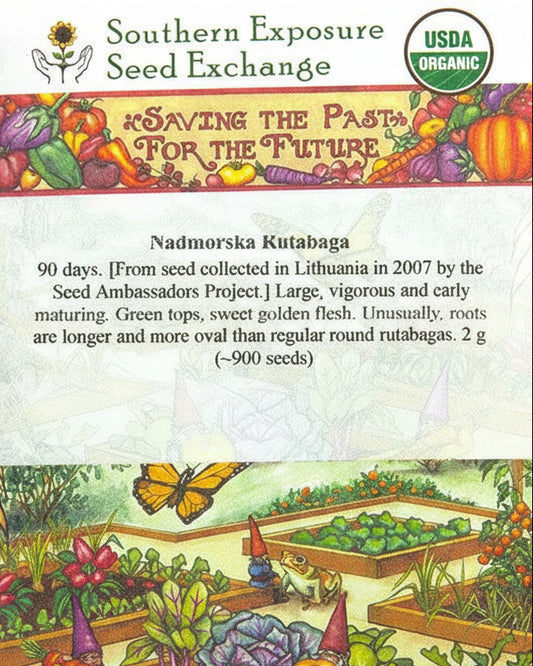
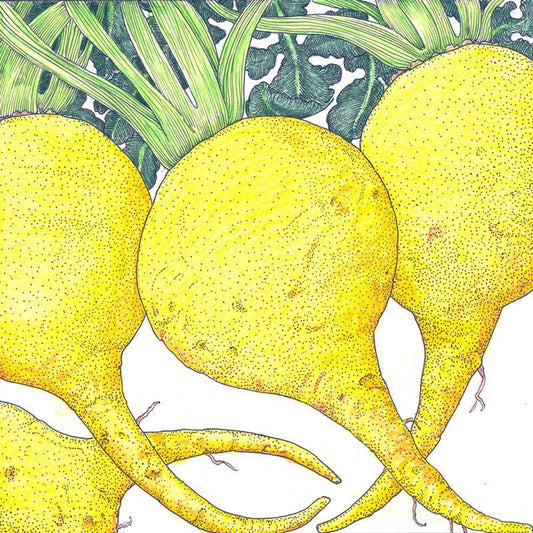
If you’re interested in eating rutabagas straight from your own garden, Grow Organic offers Organic Nadmorska Rutabaga Seeds, an heirloom variety that produces large roots with sweet yellow flesh.
You can browse Grow Organic’s full collection of vegetable seeds for cool-season planting. If you’re comparing related crops, read the guide to turnip varieties, colors, and growing differences. You can also learn why brassicas are excellent cool-season vegetables and improve future harvests with this guide to vegetable families for crop rotation.
Conclusion
Rutabagas are easy to recognize once you know what to look for. Their larger size, yellow flesh, and sweet, earthy flavor set them apart from turnips. Whether roasted, mashed, or added to soups, they are a dependable cool-season crop that stores well and rewards gardeners with a flavorful harvest.
FAQs About Facts About Rutabaga
What does rutabaga taste like?
Where did rutabaga originate?
What is the closest vegetable to a rutabaga?
What is the difference between a rutabaga and a turnip?
When is the best time to plant rutabagas?
Do rutabagas taste better after a frost?
Can you eat rutabaga leaves?
How long do rutabagas take to grow?
How should rutabagas be stored after harvest?
Can rutabagas be grown in raised beds or containers?
How are rutabagas used in recipes?
Plan a root-vegetable planting
Our root vegetable seed guide explains direct sowing, loose seedbeds, thinning, steady moisture, and harvest timing. Browse the vegetable seed collection to choose root crops for your season and space.