Growing Rutabaga: Everything You Need to Know About Planting and Growing Rutabagas
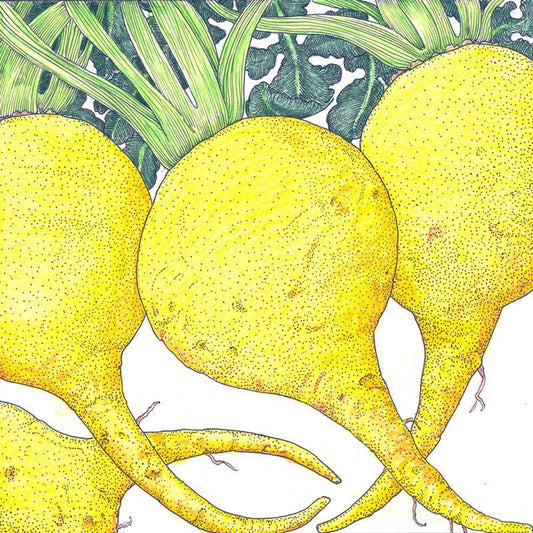
Rutabagas are cool-season root vegetables with large, firm roots and sweet, yellow flesh. They are related to turnips, cabbage, kale, and other brassicas, but they need more time to mature than turnips.
For most gardeners, growing rutabaga is easiest as a fall crop. The plants grow through late summer, then develop sweeter roots as temperatures cool. With loose soil, proper spacing, and consistent moisture, you can successfully grow rutabaga at home in garden beds or deep containers.

When to Plant Rutabaga
Knowing when to plant rutabaga is important because the roots need cool weather near harvest. Rutabagas often take about 90 to 100 days to mature, so count backward from your region’s first expected fall frost.
In many areas, when to plant rutabaga seeds falls between late June and early August. This gives the crop enough time to develop before winter. A light frost can improve the flavor, but hard-frozen soil makes harvesting difficult.
Gardeners often ask, can you plant rutabaga in the fall? In regions with mild winters, an early fall sowing may work. In colder climates, fall planting is usually too late because the plants need a long growing season.
So, can you plant rutabaga in the spring? Yes, especially in areas with cool summers. Plant as soon as the soil can be worked, but remember that hot weather can reduce root quality.
How to Plant Rutabaga
Rutabagas grow best in full sun and deep, fertile, well-drained soil. Before planting rutabaga, loosen the bed and remove rocks that could interfere with root growth.
A soil test is helpful before adding fertilizer. Rutabagas need balanced nutrition, but too much nitrogen can produce large leaves and smaller roots.
How to Grow Rutabaga from Seed
The best answer to how to grow rutabaga from seed is to direct-sow it. Rutabagas do not always transplant well because disturbing the young taproot can affect its final shape.
To sow seed, make shallow rows and plant each rutabaga seed about 1/4 to 1/2 inch deep. Keep the soil moist while the seeds germinate. Once seedlings are established, thin them to about 3 to 6 inches apart. Rows can be spaced roughly 18 inches apart. (Utah State University Extension)
Gardeners asking how far apart to plant rutabagas should follow the wider end of that range when they want large roots. Crowded plants may produce small or uneven rutabaga roots.
The same steps answer how to plant rutabaga, how to plant rutabagas, how to grow a rutabaga, and how do you grow rutabagas in a regular home garden.

Caring for Growing Rutabagas
Successful rutabaga growing depends on steady care rather than heavy feeding.
Water deeply enough to keep the soil evenly moist, especially while roots are swelling. Dry soil followed by heavy watering may lead to cracked or poor-quality roots. Mulch can help hold moisture and control weeds.
Weeds are most damaging while seedlings are small. Remove them carefully so you do not disturb the developing roots. Avoid deep hoeing close to the plants.
Common Rutabaga Pests
Young leaves may be damaged by flea beetles, which create many tiny holes. Lightweight row covers can protect seedlings if they are installed before the insects arrive.
Root maggots can tunnel into the roots and cause wilting or poor growth. Rotate turnips and rutabagas with crops from other plant families and avoid planting them in the same area year after year. Learn more about planning rotations in this quick guide to vegetable families for crop rotation.
Growing Rutabaga in Containers
Growing rutabaga in containers is possible, but the pot must provide enough depth and space. Choose a container at least 12 inches deep with drainage holes. Fill it with loose potting mix rather than heavy garden soil.
Thin seedlings so they are about 4 to 6 inches apart. A large container will hold moisture longer and provide more room for the roots. Check the soil often because pots dry faster than garden beds.

How Long Does It Take Rutabagas to Grow?
Gardeners asking how long does it take rutabagas to grow should expect roughly 90 to 100 days for many varieties. Weather, planting time, and soil conditions can change the exact schedule.
The usual rutabaga season runs from late summer into fall and early winter. If you are wondering when are rutabagas in season or when is rutabaga in season, the best-quality roots are commonly harvested during cool fall weather.
When and How to Harvest Rutabagas
Rutabagas are root crops ready for harvest when the roots reach about 3 to 5 inches in diameter, depending on the variety. Check size by brushing away soil from the shoulder, then use a garden fork to loosen the soil and gently pull the roots to harvest roots without bruising or cutting them.
For the best flavor, many gardeners wait until the roots experience one or two light frosts. For harvest and storage, trim leaves to about 1 inch above the root and store only firm, undamaged roots. Under cool, humid conditions, rutabagas can keep for several months, while home storage time depends on available storage conditions.
Nadmorska Rutabaga for the Home Garden
Browse our collection of organic and conventional vegetable seeds when planning your cool-season garden.
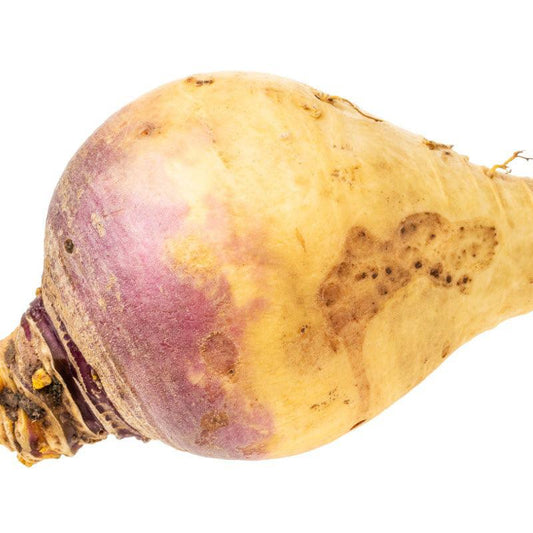
- Nadmorska Rutabaga Seeds produce large, round roots with purplish-red skin and creamy yellow-fleshed interiors. This organic, open-pollinated heirloom has a mild, sweet flavor with light peppery notes. It usually matures in about 90 to 100 days and is suited to roasting, mashing, soups, and stews.
For related crops, see this guide to turnip varieties, colors, and growing differences. You can also learn why rutabagas fit well into a cool-season vegetable garden.
Conclusion
So, are rutabagas easy to grow? They can be, as long as you give them enough time. The main steps for growing rutabagas in the garden are simple: plant during the correct season, provide loose soil, thin seedlings, water evenly, and protect young plants from pests.
Once you understand how to grow rutabaga, this cool-weather crop can become a dependable part of your fall garden.
FAQs About Growing Rutabaga
How often should I water rutabaga?
What month do you plant rutabaga?
Can you grow rutabaga from tops?
Plan a root-vegetable planting
Our root vegetable seed guide explains direct sowing, loose seedbeds, thinning, steady moisture, and harvest timing. Browse the vegetable seed collection to choose root crops for your season and space.