
What Is Amaranth? A Complete Guide to This Ancient Superfood
If you’ve come across amaranth in a seed catalog or at a market, you may wonder, what is amaranth and why it’s becoming popular again. This versatile plant has been grown for thousands of years and is valued for both its beauty and nutrition.
The amaranth plant is unique because it can be grown as a grain, a leafy vegetable, or an ornamental flower. Understanding its different uses helps you decide how to grow and use it in your garden.

What Is Amaranth?
At its simplest, the definition of amaranth refers to a group of plants in the genus Amaranthus. These plants are known for their colorful flowers, edible leaves, and tiny seeds.
So, what is an amaranth? It is an ancient crop often classified as an ancient grain, though technically it is a seed rather than a true cereal grain.
You may also see terms like:
- Amaranth definition: A nutrient-rich plant grown for seeds, leaves, or ornamental value
- Amaranth meaning: The word comes from Greek, meaning “unfading,” referring to its long-lasting flowers
What Are Amaranth Seeds and Grain?
Many gardeners ask, what are amaranth seeds and what is amaranth grain.
Amaranth produces tiny seeds that are harvested and used like grains. These seeds are:
- Cooked like porridge
- Ground into flour
- Popped into popped amaranth, similar to popcorn
This answers what is amaranth used for in the kitchen. It is a flexible ingredient in both savory and sweet recipes.
Another common question is what is amaranth flour. It is simply ground amaranth seeds and is often used in baked goods, especially because it is naturally gluten free.

What Does Amaranth Taste Like?
If you are wondering what does amaranth taste like, it has a mild, slightly earthy taste with a soft nutty flavor.
- Cooked grain is slightly chewy
- Leaves taste similar to spinach
- Seeds work well in both sweet and savory dishes
Because of this, amaranth fits easily into many recipes.
Types and Colors of Amaranth
There are many species of amaranth, each with different uses.
- Amaranthus hypochondriacus is often grown for grain
- Amaranthus caudatus, known as love lies bleeding, is popular as an ornamental
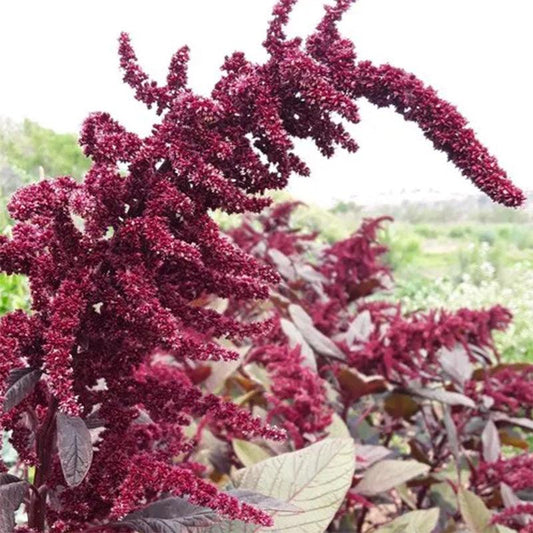
- Red varieties are grown for both leaves and color
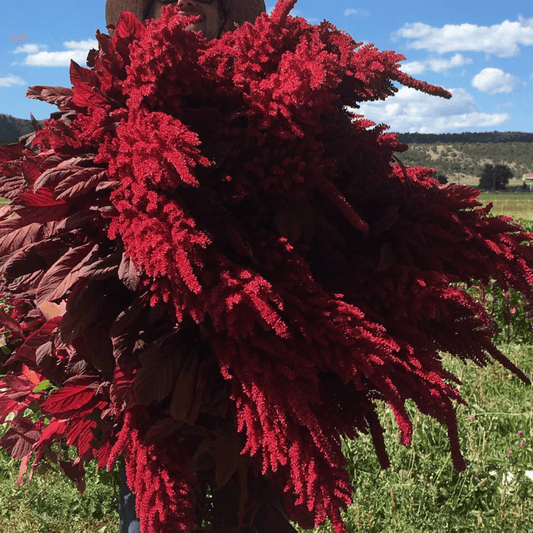
This leads to common questions like what color is amaranth or what color is amaranth. The answer varies. Amaranth can be red, burgundy, green, or even gold depending on the variety.
Growing Amaranth in the Garden
Amaranth is easy to grow and works well in many climates, including much of the United States and North America.
Growing Conditions
- Plant in full sun
- Use well-drained soil
- Water regularly until established
Amaranth is also drought tolerant, making it a good choice for low-water gardens.
Plants can grow several feet tall, often reaching 4 to 6 feet depending on the variety.
Edible Parts of the Plant
One reason gardeners like amaranth is that multiple parts are useful.
- Amaranth leaves or amaranth greens can be cooked like spinach
- Seeds are harvested as grain
- Flowers can be used fresh or as dried amaranth
This answers what is amaranth good for. It provides food, color, and versatility in one plant.

Nutritional Benefits of Amaranth
Amaranth is considered highly nutritious.
Key Amaranth Benefits
- Rich in protein and essential amino acids
- Contains fiber and minerals
- Works well in gluten-free diets
Because of its nutrient profile, amaranth is often included in health-focused meals, even in small amounts.
Recommended Amaranth Options
Choosing the right type depends on how you want to use the plant.
-
Organic Greens, Red Amaranth (1 oz)
- A great option for growing edible amaranth greens with strong color
-
Love Lies Bleeding Amaranth Flower Seeds
- A classic ornamental variety known for dramatic trailing flowers
-
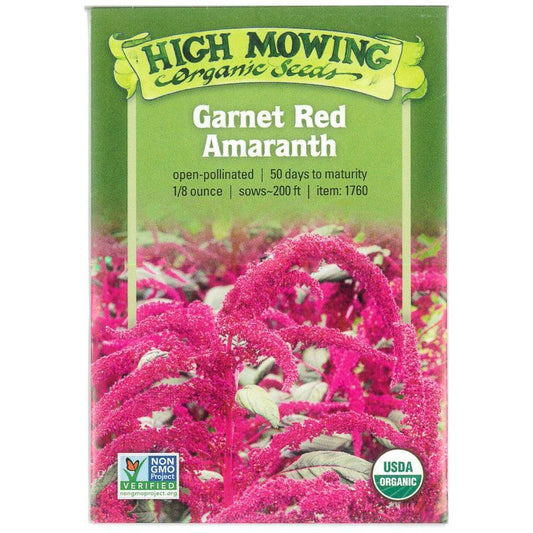
Garnet Red Amaranth Seeds (Organic)
- A versatile option for both leaves and grain
Explore more varieties in this collection of amaranth seeds.
For a deeper look at growing and using it, see this guide on red amaranth from seed to table.
Conclusion
Amaranth is a flexible and rewarding plant that fits into many types of gardens. Whether you grow it for its leaves, seeds, or flowers, it offers both beauty and nutrition.
By understanding what is amaranth and how it can be used, you can make the most of this ancient crop and enjoy its many benefits in your home garden.