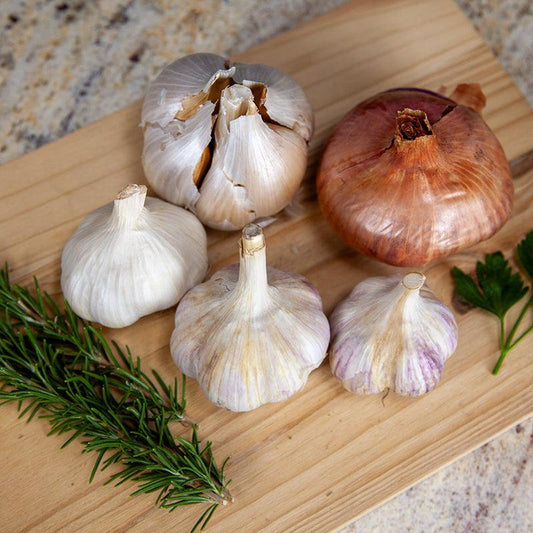
When to Harvest Music Garlic: Storage and Curing Guide

When to Harvest Music Garlic: Storage and Curing Guide

When to Harvest Music Garlic: Expert Tips for Harvesting, Curing, and Long-Term Storage

Music garlic is a popular hardneck garlic known for its large cloves, rich flavor, and reliable garden performance. Like many hardneck varieties, it grows best when planted in fall and harvested at the right time in summer.

Many beginner gardeners wonder when to harvest Music garlic. If you harvest too early, the bulbs may be small. If you wait too long, the wrappers can split, which shortens the storage life of Music garlic.

This guide explains Music garlic harvest time, curing, and simple Music garlic storage tips.

Green garlic sprouts emerging from soil embody growth and nature indoors

How Long Does Music Garlic Take to Grow?

Successful growing Music garlic starts with fall planting garlic. Plant cloves about four to six weeks before the ground freezes. The roots grow before winter, then the plants start growing again in early spring.

The average Music garlic days to harvest is about 240 to 270 days from planting. Weather, soil, and water can change the timing.

If you are learning how to grow Music garlic, start with healthy seed garlic in fertile, drained soil with full sun.

When to Harvest Music Garlic

The best way to know when to harvest Music garlic is to watch the leaves.

Garlic dries from the bottom up. When the lower leaves have turned brown and several upper green leaves remain, the bulbs are usually ready.

For most gardeners, the ideal Music garlic harvest happens when about one-third to one-half of the leaves are brown. The green leaves still help protect the bulb wrappers. This improves storage later.

Do not wait until every leaf is brown. The wrappers may split underground, and the bulbs may not store as well.

Signs Music Garlic Is Ready

Leaf Color

Brown lower leaves and green upper leaves are the clearest signs.

Bulb Size

If you are unsure, dig one bulb. A mature bulb should feel firm and have papery wrappers around it.

Garlic Scapes

Music is a hardneck garlic, so it produces garlic scapes. These are curly flower stalk stems. Most gardeners remove them a few weeks before harvest to help the plant make larger bulbs.

farmer holding a bunch of freshly harvested garlic

How to Harvest Music Garlic

Careful Music garlic harvesting protects the bulbs.

Use a garden fork or shovel to loosen the soil. Dig several inches away from the plant. Do not pull hard on the leaves because the stem can break.

Lift the bulb gently. Brush off loose soil, but do not wash the garlic if you plan to cure and store it.

Music garlic often produces some of the largest bulbs among porcelain garlic types. It has fewer individual cloves than many softneck varieties, but the cloves are bigger and easier to peel.

How to Cure Music Garlic

Curing helps garlic store longer.

Place the plants in a dry, shaded area with good airflow. You can hang them in bundles or spread them on racks. Leave the roots, stems, and leaves attached while curing.

Most garlic bulbs need two to four weeks to cure.

They are ready when:

  • The neck is dry
  • The wrappers feel papery
  • The roots are dry and brittle

Music Garlic Storage Tips

After curing, trim the roots and cut the stem about one inch above the bulb.

For the best storage life, keep bulbs in mesh bags, baskets, or crates. Store them in a cool, dry, dark place with airflow.

Avoid sealed plastic bags and refrigerators. Too much moisture can cause mold or sprouting.

The typical storage life of Music garlic is about five to seven months under good conditions. Softneck garlic often stores longer, but Music stores well for a hardneck type.

Music Garlic (Lb) Grow Organic

Music Garlic Compared With Other Garlic Types

There are many types of garlic, and each one has a different use.

Music is a porcelain garlic variety. It is valued for large cloves, strong flavor, and good cold tolerance.

Compared with softneck garlic, Music has fewer cloves per bulb, but they are larger. Softneck types often store longer, while hardneck types usually offer richer flavor and edible scapes.

Featured Product

If you are ready to grow your own garlic, consider:

You can also browse the Music Seed Garlic collection and read Singing the Praises of Music Garlic.

Helpful guides include How to Grow Garlic, the Garlic Growing Guide, Harvesting Garlic, and How to Cure and Store Your Garlic Harvest.

Conclusion

Harvesting garlic at the right time makes a big difference. Watch the leaves, dig gently, cure the bulbs, and store them in a cool, dry place.

With good timing and proper curing, Music garlic can give you large, flavorful bulbs that last for months.


FAQs About Music Garlic Harvest

How do you tell when Music garlic is ready to harvest?
Harvest Music garlic when the lower one-third to one-half of the leaves have turned brown while four to six upper leaves remain green. This timing helps ensure the bulbs have developed fully while retaining enough wrapper layers for good storage.
How long can you store Music garlic?
With proper curing and storage, Music garlic typically keeps for about 4 to 7 months. Storage life depends on factors such as curing, temperature, humidity, and airflow.
Can you eat Music garlic immediately after harvesting?
Yes. Freshly harvested Music garlic is safe to eat immediately. However, curing the bulbs before storage helps improve their shelf life and preserves their quality.
What is the best way to store Music garlic cloves?
Store whole, cured bulbs in a cool, dry, dark place with good airflow. Keep the bulbs intact and separate them into individual cloves only when you're ready to use them, as whole bulbs generally store longer.
Should I stop watering Music garlic before harvest?
Yes. If the soil is already adequately moist, stop watering about one week before harvest. This allows the soil to dry slightly, helping reduce the risk of bulb rot and making the bulbs easier to lift.
Why are my Music garlic bulbs small?
Small bulbs can result from planting small cloves, insufficient sunlight, poor soil fertility, overcrowding, inconsistent watering during bulb development, leaving scapes on the plants, or harvesting too early.
Back to blog

Leave a comment

Please note, comments need to be approved before they are published.