When to Harvest Radishes: A Complete Guide to Signs of Readiness, Timing, and Picking Tips
Growing radish is one of the quickest and most rewarding ways to start a vegetable garden. Most radishes (Raphanus sativus) grow from seed to harvest in as little as three to five weeks, making them a great choice for beginner gardeners. They are fast-growing, easy to care for, and come in many shapes, sizes, and colors.
Even though radishes grow quickly, knowing when to harvest radishes is important. Harvest too early, and the radish root may be small and underdeveloped. Wait too long, and the roots can become woody, pithy, or overly spicy.
This guide explains when to harvest radish, how to know when radishes are ready to harvest, and the best picking tips for crisp, flavorful roots. Whether you planted classic spring radishes or larger winter radishes, harvesting at the right time will give you the best texture and flavor.

Why Harvest Timing Matters
Unlike tomatoes or peppers, radishes do not continue to improve after they reach maturity. Once they are ready for harvest, the roots quickly lose quality if left in the ground for too long.
Most spring radishes taste best when they are young, crisp, and tender. If they remain in warm soil after reaching maturity, they often become tough or hollow. Large storage types, such as daikon and watermelon radishes, have a longer growing season but should still be harvested according to the recommended timing.
Checking your plants every few days once they begin to mature is the easiest way to enjoy the best harvest.
When Are Radishes Ready to Harvest?
The answer depends on the variety you planted. Most spring radish varieties are ready about 20 to 35 days after you planted the seeds. Larger winter types usually need 50 to 70 days, depending on the variety.
Instead of relying only on the calendar, always check the roots before harvesting.
Radish Harvest Time by Type
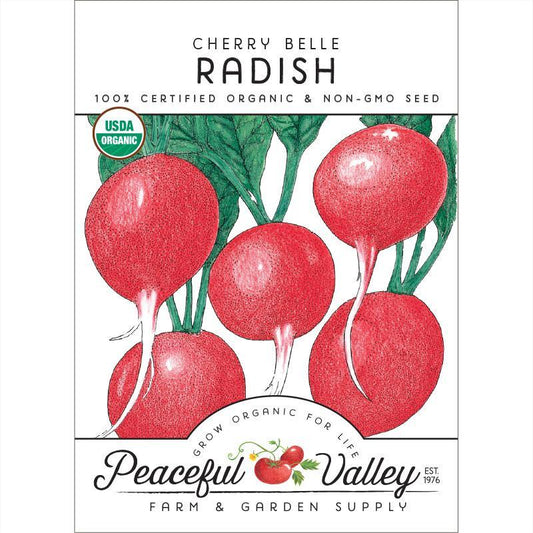
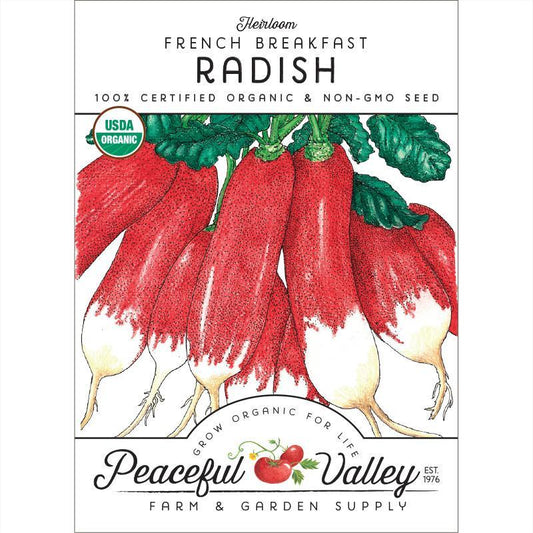
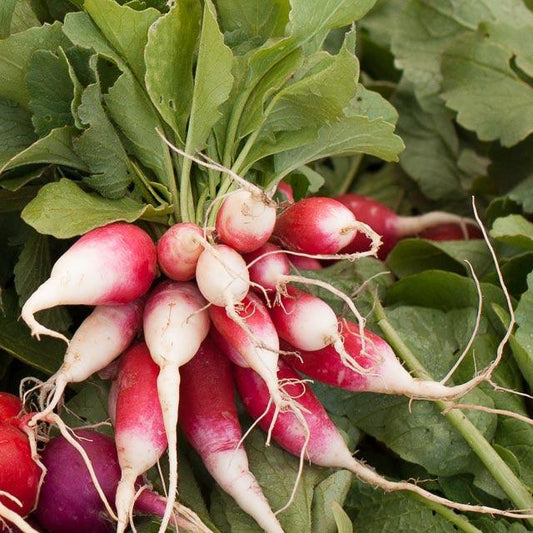
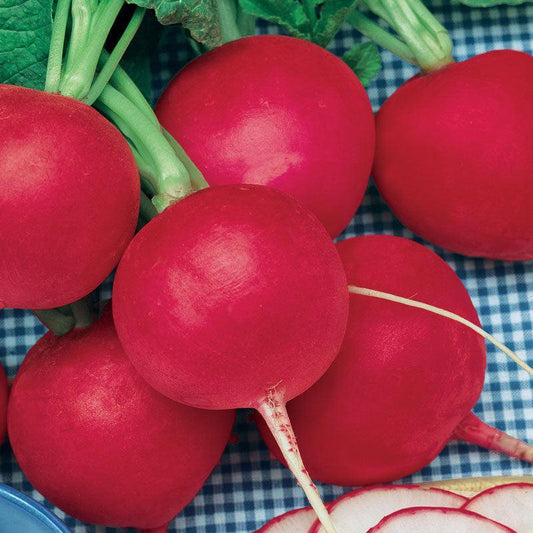
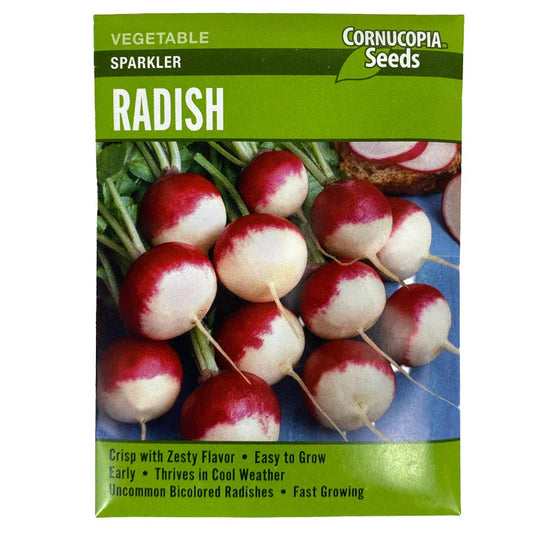
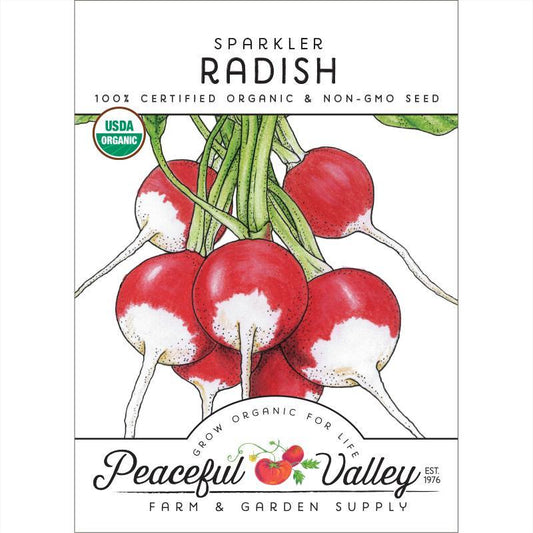
- Cherry Belle, Sparkler, and French Breakfast are usually ready in about 22 to 30 days.
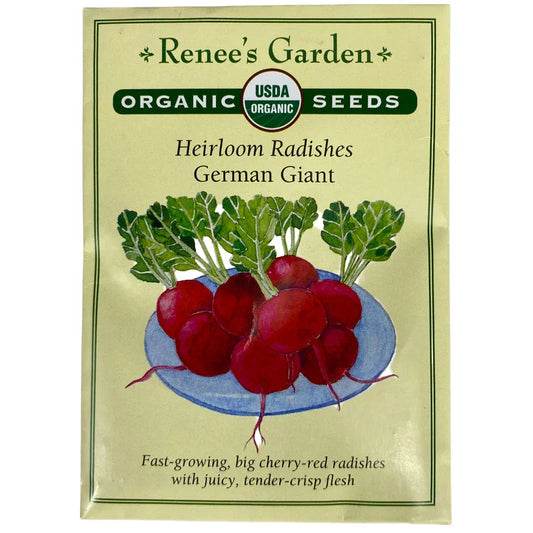
- German Giant matures slightly later but stays crisp longer than many small radishes.
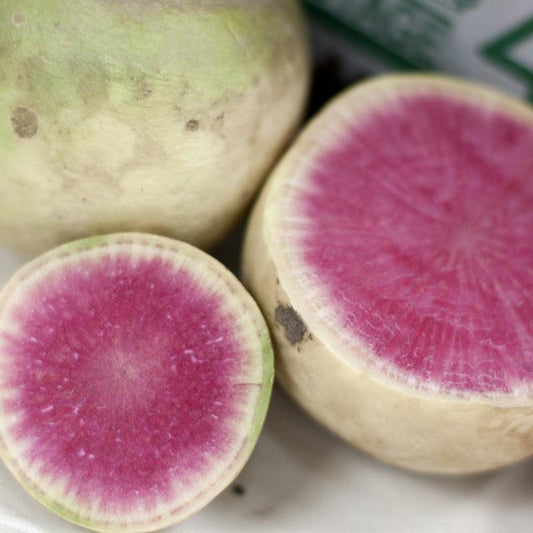
- Watermelon radishes generally mature in about 55 to 65 days.
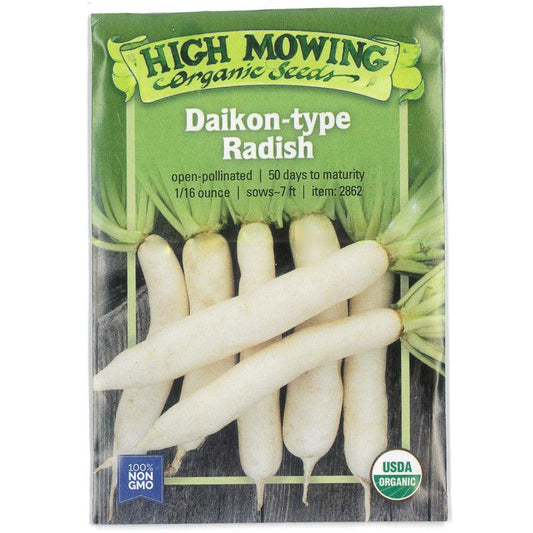
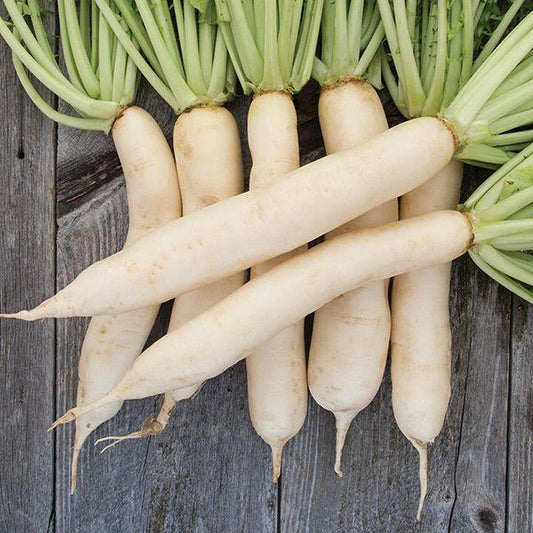
- Daikon radishes are harvested later, usually after 50 to 70 days, when the roots are fully developed.
The seed packet provides the estimated days to maturity for each variety, making it the best starting point when deciding when harvest radishes.

How to Know When Radishes Are Ready to Harvest
Learning how to know when radishes are ready to harvest is more reliable than counting days alone.
Look at the Root Shoulders
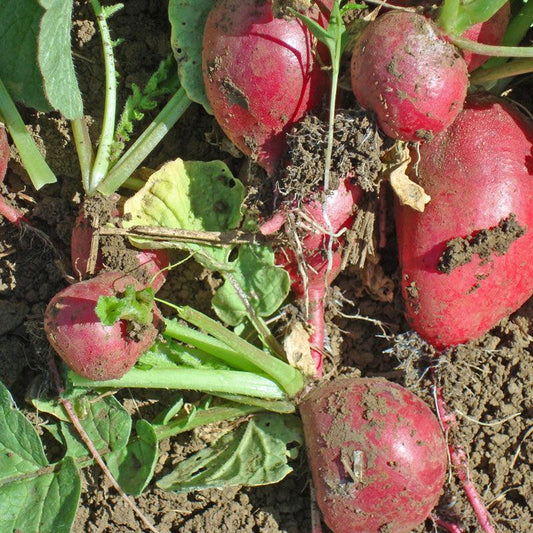
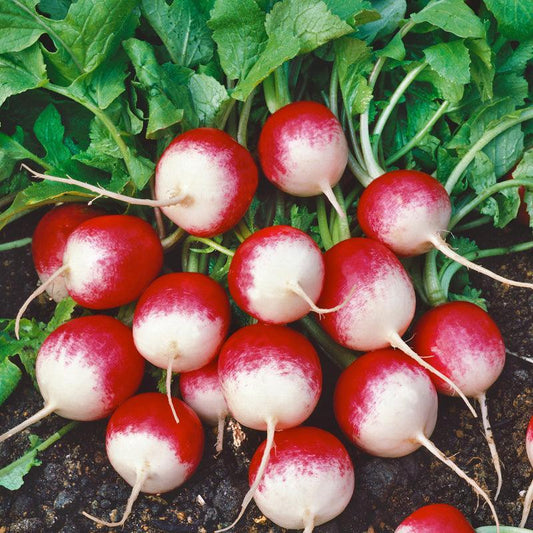
One of the easiest signs is the top of the root, sometimes called the shoulder. As the radish root grows, part of it often pushes above the soil surface.
For most round spring radishes, the visible root should measure about 1 inch across, although larger varieties naturally grow much bigger.
If you are wondering how do you know when radishes are ready to harvest, this simple visual check is usually the first clue.
Check the Leaves
Healthy radish plants often grow to about 6 to 12 inches tall, although leaf size varies by variety.
Large leaves do not always mean the roots are ready. Instead, use the leaves along with the root size to judge maturity.
Pull a Test Radish
Still wondering how to know when to harvest radishes?
The easiest method is to pull one plant and inspect the root. If it has the expected size, smooth skin, and crisp texture, the remaining crop is likely ready for harvest.
This is also the best answer to gardeners asking how do you know when to harvest radishes or how to know when to pick radishes.

How to Harvest Radishes
Knowing how to harvest radishes helps prevent damage to both the roots and nearby plants.
Water the bed lightly a few hours before harvesting if the soil is dry. Moist soil allows the roots to slide out more easily.
Hold the plant where the leaves meet the root and pull gently upward. If the soil is firm, loosen it first with a hand fork to avoid breaking the root.
Harvesting regularly also encourages a continuous harvest, especially if you sow seeds every one to two weeks during cool weather.
Many gardeners ask when to pick radishes, when to pick radish, or even when to pick a radish. The answer is simple. Pick them as soon as they reach their mature size instead of waiting for every plant in the row to finish growing.
Common Harvest Problems
Sometimes radishes look healthy above ground but disappoint when harvested.
Woody or Spongy Roots
Leaving radishes in the ground too long is the most common reason for poor texture. Harvest promptly once they reach full size.
Cracked Roots
Uneven watering can cause roots to split. Keep soil evenly moist throughout the growing season.
Small Roots
Crowded seedlings often produce tiny roots. Thin young plants early so each radish has enough room to grow.
Pest Damage
One common pest of young radishes is flea beetles, which chew many small holes in the leaves. While healthy plants often recover, severe feeding can slow growth.
A lightweight row cover placed over newly planted beds helps protect seedlings until they become established.

Recommended Radish Varieties to Grow
Whether you are planting your first radish seed or looking to try something new, Grow Organic offers several excellent choices for home gardens.
- Browse the complete collection of organic radish seeds to find varieties for spring, fall, and winter planting.
- Cherry Belle Radish Seeds are one of the fastest maturing varieties and are perfect for beginner gardeners learning when are radishes ready for harvest.
- French Breakfast Radish Seeds produce mild, crisp roots with an elongated shape that is easy to recognize at harvest.
- Organic German Giant Radish grows larger than many spring radishes while remaining tender when harvested on time.
- Watermelon Radish Seeds are an excellent choice for gardeners interested in colorful winter radishes with sweet, crisp flesh.
- Organic Daikon Radish is ideal for gardeners looking to grow large storage radishes for fall harvests.
If you are new to growing radish, Grow Organic's educational guides, including Radishes 101 and the Growing Radishes video, provide helpful tips on planting, growing, and harvesting successful crops.
Conclusion
Harvesting radishes at the right time is one of the easiest ways to enjoy crisp, flavorful roots. While the radish harvest time varies depending on the variety, the best approach is to watch your plants instead of relying only on the calendar.
Check the tops of the roots, compare them with the expected size on the seed packet, and pull a test radish if you are unsure. Once you know how do you know when radishes are ready to pick, harvesting becomes quick and easy.
By planting new rows every week or two during cool weather, you can enjoy a continuous harvest of fresh, crunchy radishes throughout the growing season.