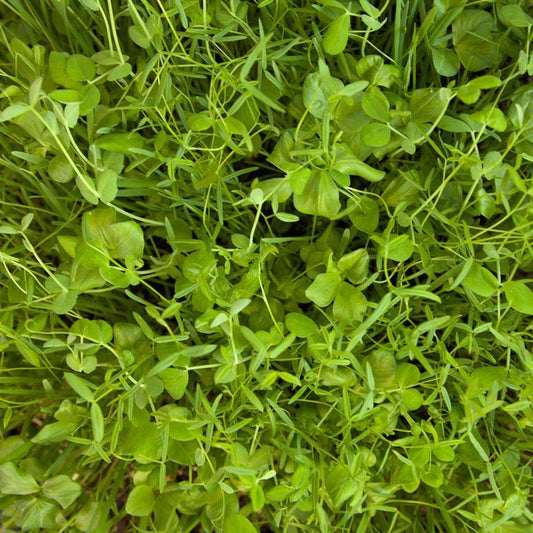
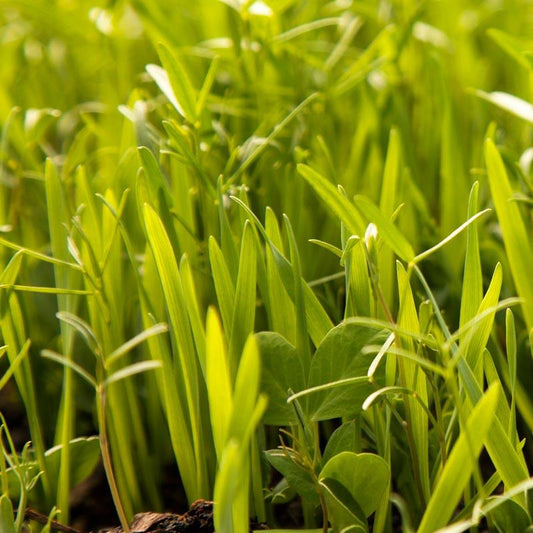
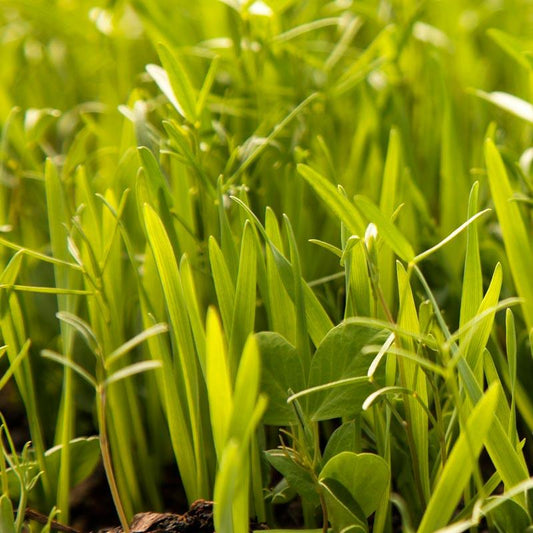
Fall cover crops protect open soil during a season when rain, wind, and bare beds can increase erosion and nutrient loss. They can also compete with weeds, add roots and organic residue, capture nutrients, and—when compatible legumes nodulate successfully—fix nitrogen.
This older seasonal article now serves as a short explanation of why fall planting matters. For the complete current process, read Fall Cover Crops: Selection, Planting & Spring Management.
Why plant in fall?
- Soil protection: living foliage and roots reduce exposure to rain and wind.
- Nutrient capture: grasses and other non-legumes can take up nutrients left after the main crop.
- Nitrogen fixation: properly nodulated legumes can add biologically fixed nitrogen to the rotation.
- Weed competition: a dense, timely stand can occupy light, water, and space that weeds would otherwise use.
- Organic residue: roots and shoots return plant material to the soil when managed appropriately.
Choose from the spring deadline backward
Identify when the next crop must be planted. Winter-hardy covers provide longer protection but need active spring termination. Winter-killed covers can simplify spring preparation in climates cold enough to kill them. Mixtures may contain both kinds.
There is no single national fall planting date. Use local frost dates, elevation, rainfall or irrigation, soil conditions, and the product's establishment requirements. Late planting can leave too little growth to protect soil or produce useful biomass.
Prepare and plant
Manage mature weeds and bulky residue, create good seed-to-soil contact, measure the area, and follow the current product's seeding rate and depth. Small clovers need shallower placement than peas, beans, and cereal grains. For a practical sequence, use the Fall Cover Crop Planting Checklist.
Check inoculant requirements
Raw legume seed has no applied coating. Coated or Nitrocoated seed may have different treatments and does not always include compatible live rhizobia. Confirm the listing and use the correct product from Cover Crop Inoculants when needed.
Keep the seed zone moist
Coordinate planting with dependable rain or provide gentle irrigation. Seed must remain adequately moist through germination and early establishment. Do not assume fall rains will arrive before the seed dries or cold slows growth.
Plan spring management now
Select mowing, cutting, incorporation, rolling, grazing where appropriate, winterkill, or another method before planting. Schedule a spring inspection before rapid growth or seed development. Read Turning Cover Crops into Green Manure for termination choices.
Shop Fall-Planted Cover Crops, compare Cover Crop Mixes, or browse All Cover Crop Seeds.
Move from the reason to the plan
Use the full Fall Cover Crops guide, then measure the area with the Cover Crop Seed Rate Calculator and enter the selected product’s current rate.
Add Inoculation to the Seasonal Checklist
If the selected cover crop contains a legume, verify treatment and inoculant requirements before planting. Compare seed inoculants by crop group and package coverage, and use the seed product page for seasonal fit and planting rate.