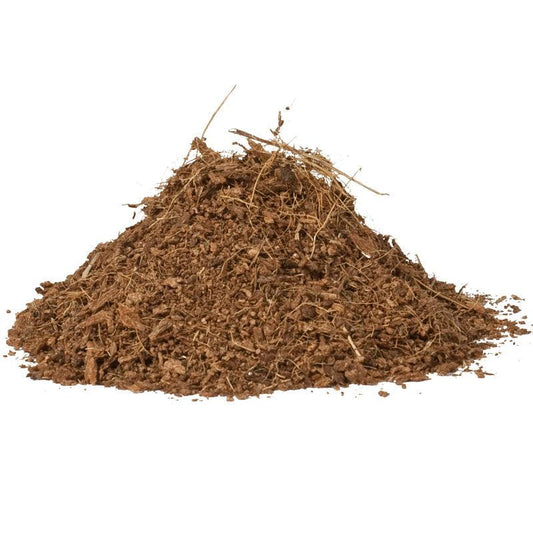
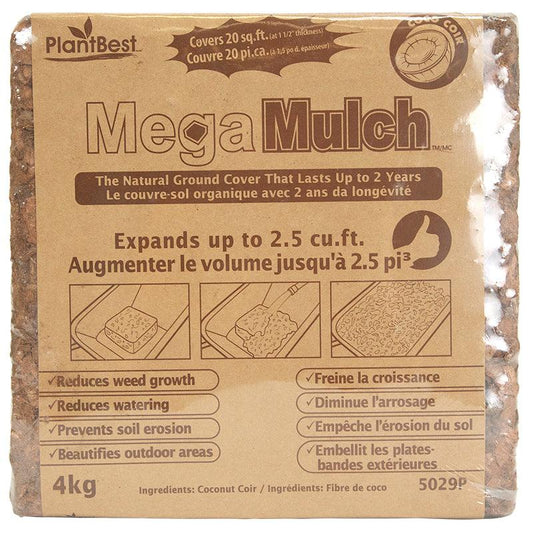
Coconuts are delicious but did you know their fibers are commonly used in organic gardens? Watch our video to learn how you can benefit from coco coir. Find more information on growing supplies for sale in our store.
Coconut Coir as a Soil-Mix Ingredient
The coconut is a versatile fruit, offering delicious flesh and nutrient-rich water. But did you know the outer husk is also a gardener’s dream? Coconut coir, also called coconut pith or coco peat, is the fiber left after processing coconuts. Coir is a plant-derived ingredient that can substitute for part of the peat or other components in some mixes. Its environmental footprint and performance depend on processing, washing, buffering, transport, particle grade, and reuse.
Benefits of Coconut Coir
Coconut coir is biodegradable but breaks down more slowly than traditional organic materials, making it a long-lasting soil amendment. Coir is soilless, but do not assume every product is free of viable seed, pathogens, or excess salts. It can add air space and moisture retention; actual water-holding capacity and drainage vary by particle grade, compression, processing, blend, and container geometry, and coir does not prevent waterlogging.
Coir is generally a low-nutrient ingredient. Cation behavior, salt content, and calcium, magnesium, and potassium balance vary, so follow product directions and manage nutrition for the crop rather than treating coir as a complete amendment.
How to Use Coconut Coir
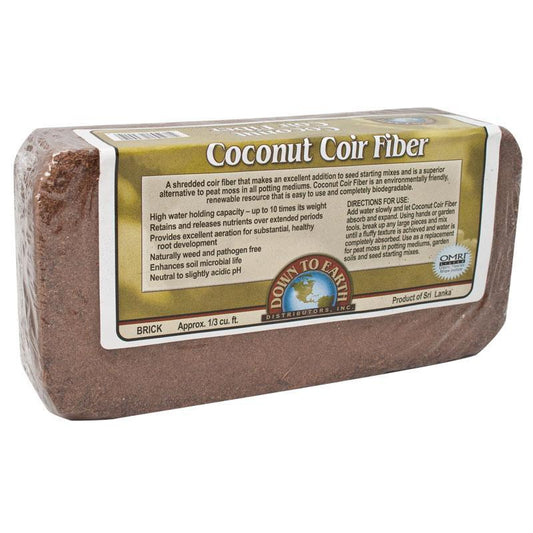
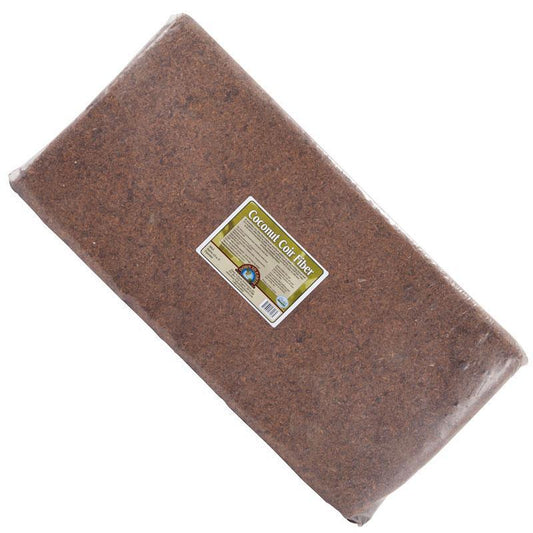
Coconut coir is often sold in compressed blocks that need to be soaked and fluffed before use. Place a compressed block in a container substantially larger than the dry block, add water according to the label, allow adequate hydration time, and loosen it carefully. Expansion and water requirements vary by product. Break apart chunks with a shovel for a fluffy texture. Current coir products and growing media are available in our coco peat and growing-medium collections; availability changes, so check the live collection rather than relying on a named product.
Use the product label or a tested crop recipe for the blend rate. Coir may be used in seed-starting or hydroponic systems, but salts, buffering, pH, particle size, irrigation, and a complete crop-appropriate nutrient program must be managed.
Versatility Beyond Soil
Coconut coir is also great for worm bin bedding and works even better when combined with other amendments like rice hulls and perlite. Blends with rice hulls or perlite can change drainage, aeration, and moisture behavior; test the complete mix for the crop and container.
Compare coco coir with other locally available ingredients and choose the blend that meets the crop’s physical and nutritional needs. Grow organic for life!