
Collection: All Espoma Products
Espoma. A Family Tradition Since 1929

-


Espoma Organic Berry-Tone (4 lb)
Regular price $10.99Sale $10.99Unit price per -


Espoma Organic Soil Acidifier (6 lb)
Regular price $13.99Sale $13.99Unit price per -


Espoma Organic Garden-tone (4 lb)
Regular price $12.00Sale $12.00Unit price per -


Espoma Organic Flower-Tone (4 lb)
Regular price $10.99Sale $10.99Unit price per -


Espoma Organic Plant-Tone (4 lb)
Regular price $12.00Sale $12.00Unit price per -


Espoma Organic Peat Moss (8 qt)
Regular price $11.99Sale $11.99Unit price per -


Espoma Rose Tone (4 lb)
Regular price $10.99Sale $10.99Unit price per -


Espoma Organic Earthworm Castings (4 qt)
Regular price $12.99Sale $12.99Unit price per -


Espoma Organic Azalea-Tone (4 lb)
Regular price $12.99Sale $12.99Unit price per -


Espoma Organic Tree-Tone (4 lb)
Regular price $11.99Sale $11.99Unit price per -


Espoma Organic Potting Soil (8 qt)
Regular price $10.99Sale $10.99Unit price per -


Espoma Organic Bio-tone Starter Plus
Regular price $47.99Sale $47.99Unit price per -

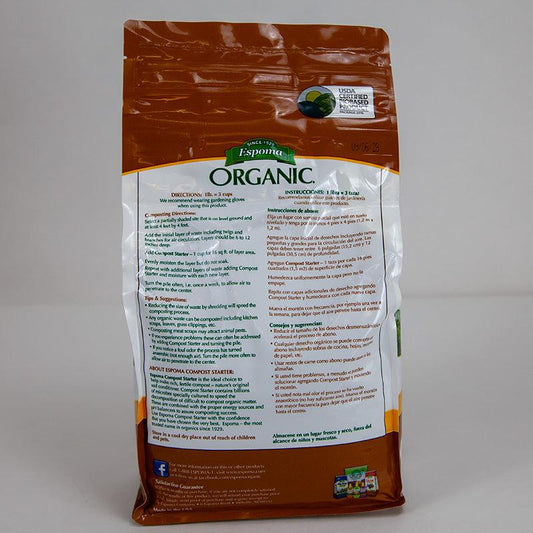
Espoma Compost Starter (4 lbs)
Regular price $17.99Sale $17.99Unit price per -


Espoma Organic Holly-Tone (4 lb)
Regular price $12.99Sale $12.99Unit price per -


Espoma Organic Citrus-Tone Citrus & Avocado (4 lb)
Regular price $12.99Sale $12.99Unit price per -


Espoma Organic Tomato-Tone 3-4-6 (8 lb)
Regular price $24.99Sale $24.99Unit price per -


Espoma Bonsai Mix (4 qt)
Regular price $18.99Sale $18.99Unit price per -

 Sold out
Espoma Organic Iron-Tone (5 lb)
Regular price $10.99Sale $10.99Unit price per -

 Sold out
Espoma Organic Tomato-Tone (4 lb)
Regular price $12.99Sale $12.99Unit price per -

 Sold out
Espoma Organic Bulb-Tone 3-5-3 (4 lb)
Regular price $10.99Sale $10.99Unit price per -

 Sold out
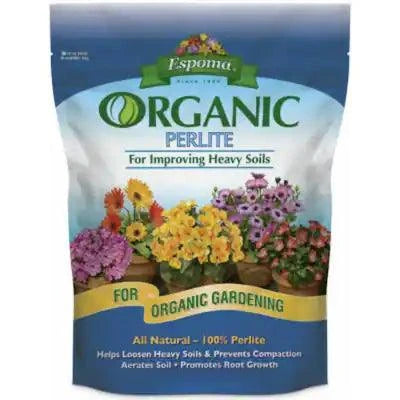
Espoma Organic Perlite (8 qt)
Regular price $12.99Sale $12.99Unit price per -
New
 Sold out
Espoma Organic Lawn Food - Summer Revitalizer 8-0-0 (30 lb)
Regular price $36.99Sale $36.99Unit price per -
New
 Sold out
Espoma Organic Lawn Food - Fall Winterizer 8-0-5 (30 lb)
Regular price $59.99Sale $59.99Unit price per


Choose an Espoma fertilizer for what you grow
Shop Espoma organic fertilizer and soil amendments by plant and purpose. Start with what you are feeding. A vegetable bed, a rose border and a planting of blueberries can call for different products. Check the material you already use and read the application directions before choosing a bag size.
Match plant foods to the planting
For a mixed vegetable garden, start by comparing Espoma Garden-tone and Plant-Tone. Garden-tone is meant for vegetables and herbs. Plant-Tone is an all-purpose plant food to compare when you tend several types of plants. Read the label for instructions for new plantings and established beds, because the amount and timing can differ.
Choose Flower-Tone when you want a product for flowers, and compare Rose Tone for a bed where roses are the main planting. Tree-Tone is the option to check for trees. Look for directions for the actual plant and its size. Make sure the product lists your use if you plan to feed a plant growing in a container.
Compare berry and acid-loving plant products
Berry-Tone and Azalea-Tone cover different plant groups. Compare Berry-Tone if you are shopping for a berry planting. Azalea-Tone is a plant food to check for acid-loving shrubs. If your main problem is soil pH, check a soil test and compare the directions for Espoma Soil Acidifier. A soil amendment that adjusts pH and a plant food that supplies nutrients serve different purposes.
Choose the right size for your project
The selection includes four-pound bags of several plant foods and a six-pound bag of Soil Acidifier. Estimate the amount using the rate listed for your planting and the area you plan to treat. Measure the bed or count the containers before buying enough for more than one application. Check the label again if you change products during the season.
For a potting project, compare the soil amendments in the collection as separate purchases. Earthworm castings and peat moss are sold in volume sizes, while many of the dry fertilizers are sold by weight. Shop by the job on your list and compare what each product supplies before you bring it home.
Use the label to compare similar bags
Read the three nutrient numbers and the list of ingredients on the bag you plan to buy. For a bed you already fertilized, check your notes before adding another product. If a soil test gives you a nutrient or pH recommendation, use it to choose which product to compare first. Keep a separate list of the amendments you need for potting mixes.
Mark which plants need feeding and which need a change to the growing mix. If the same bag will serve several plants, use each plant’s directions when you work out the amount to buy. Close dry fertilizer bags after use and save the label for the next application.