

Perlite is a lightweight mineral ingredient used to increase air space and drainage in seed-starting, container, and other growing mixes. It is useful when matched to the crop and irrigation plan, but it does not supply a complete nutrient program or correct every drainage problem.

What Is Perlite?
Perlite is volcanic glass that expands when heated, producing white, porous granules. Horticultural grades are lightweight and generally low in nutrients. Product pH, particle size, and dust level can vary, so use the specifications on the package rather than assuming every perlite behaves identically.
How Perlite Changes a Growing Mix
- Air space: The rigid particles help keep fine ingredients from packing tightly.
- Drainage: Perlite can shorten the time excess water remains in a suitable mix.
- Water: It holds some moisture on and within its surface, but generally less than vermiculite.
- Weight: It makes mixes lighter, although particles can float upward during heavy watering.
Perlite does not prevent root rot if a pot lacks drainage, irrigation is excessive, or a pathogen is present. It also does not replace compost, fertilizer, lime, or pH testing.
How Much Perlite to Use
Use a published crop recipe or the product directions when available. To adjust an existing container mix, start with a 10–30% trial by volume. Check how quickly the pot drains, how long it stays moist, and whether the plant remains stable before changing the proportion.
Seed Starting and Cuttings
Fine or medium horticultural perlite is often blended with peat, coir, or vermiculite. Keep the recipe consistent so trays do not dry unevenly. Pure perlite can be used in selected propagation systems, but it provides little nutrition and requires careful moisture and fertility management.
Containers
Mix perlite throughout the medium. Do not add a separate layer to the bottom as a substitute for drainage holes. Plants that prefer consistently moist conditions may need less perlite than plants adapted to rapid drainage.
Raised Beds and In-Ground Soil
Large soil volumes require large amendment volumes, so test a small area before applying perlite broadly. Compaction from foot traffic, poor grading, and subsurface drainage problems need direct correction. Perlite is lightweight and may migrate at the surface.
Perlite, Pumice, Vermiculite, or Coir?
- Choose perlite for lightweight aeration and faster drainage.
- Choose pumice for heavier, longer-lasting mineral structure.
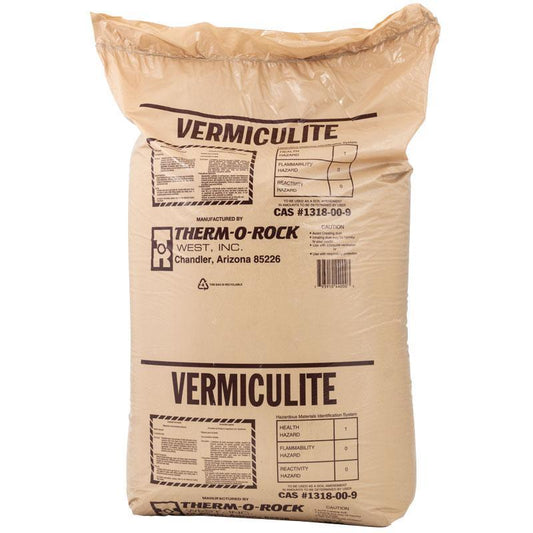
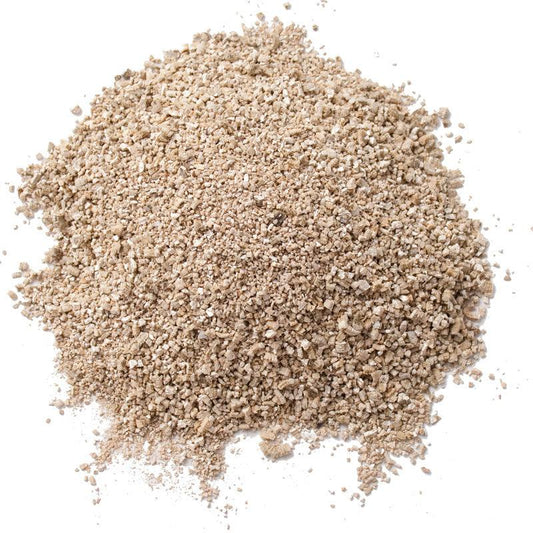
- Choose vermiculite when more moisture and nutrient holding is desired.
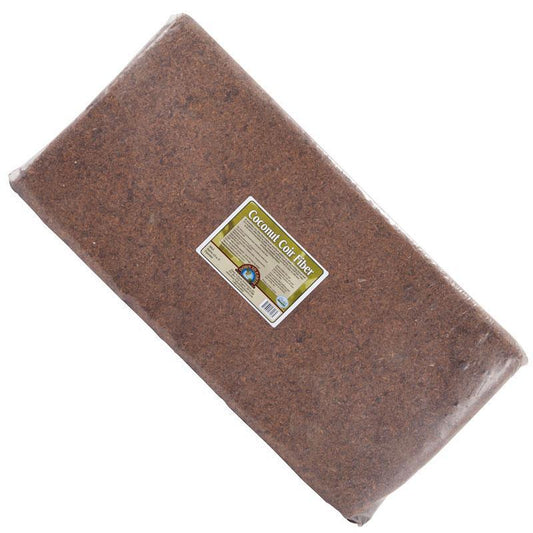
- Choose coir or peat as a water-holding organic base, then add mineral ingredients as needed.
Dust and Handling
Use material labeled for horticulture. Open bags gently, work outdoors or with ventilation, pre-moisten before mixing, avoid breathing dust, and follow the package safety instructions. Eye or respiratory protection may be appropriate when the label or conditions call for it.
Compare pumice, vermiculite, and other choices in our growing-media guide.



2 comments
How to use soil amendments-Perlite the above article is beyond informative. I just took a free class from the comfort of my home.
I CAN’T THANK-YOU ENOUTH:)
I had an issue in the garden. I was using a living soil mix just add water were the directions. Except I’m not used to that kind of water retention. I ended up overwatering to the point that they werent dying but only growing an inch per 2 weeks. Next time I’m going to mix it with more perlite. That way it’s more even drainage.