

Sun injury can affect leaves, fruit, stems, and tree bark. Prevention starts with steady moisture, appropriate canopy management, gradual exposure, and protection designed for the plant and site.
Sunburn, scorch, and sunscald
Leaf scorch or sunburn appears as bleached, tan, or brown tissue after intense light and heat, especially when roots cannot replace water fast enough. Fruit sunburn develops on exposed surfaces. Tree sunscald injures bark, often on young or newly exposed trunks and branches; winter temperature swings can also contribute.

Reduce the risk
- Match plants to the site’s light, heat, wind, and water conditions.
- Acclimate transplants gradually when moving them into stronger sun.
- Check root-zone moisture and correct irrigation problems without saturating the soil.
- Mulch the root zone while leaving the trunk and crown clear.
- Avoid abrupt over-pruning that exposes previously shaded bark or fruit.
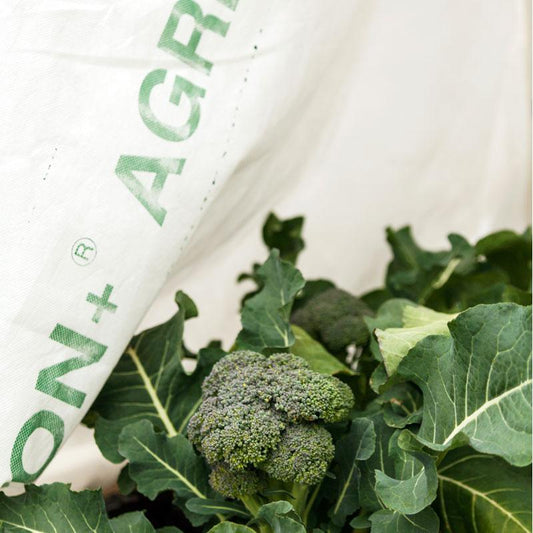
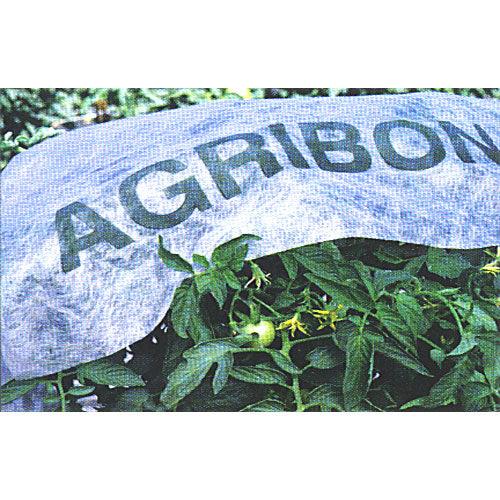
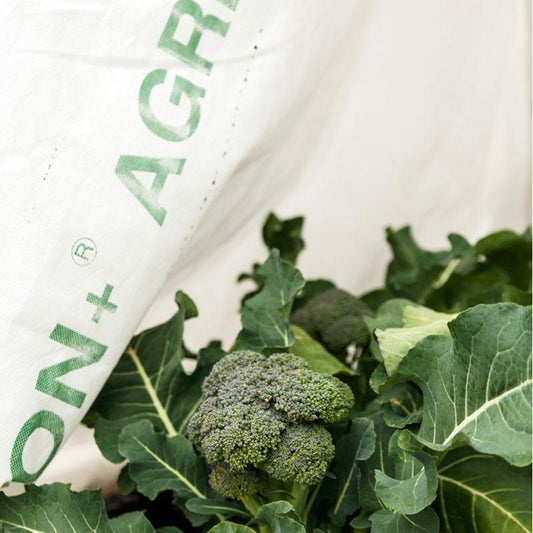
- Use temporary shade cloth with an appropriate shade level and secure it so it does not rub plants.
Protect young tree trunks
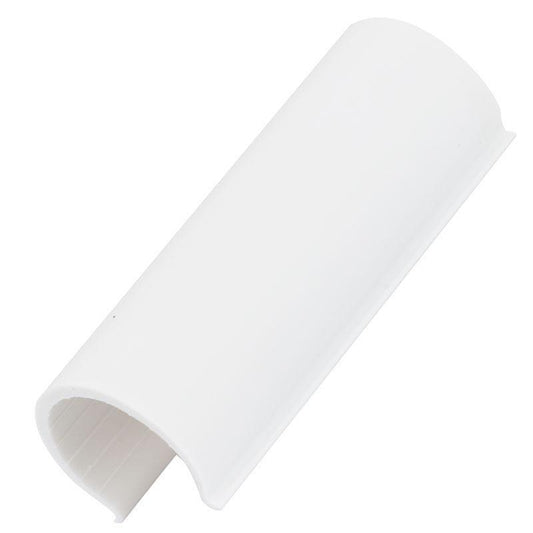
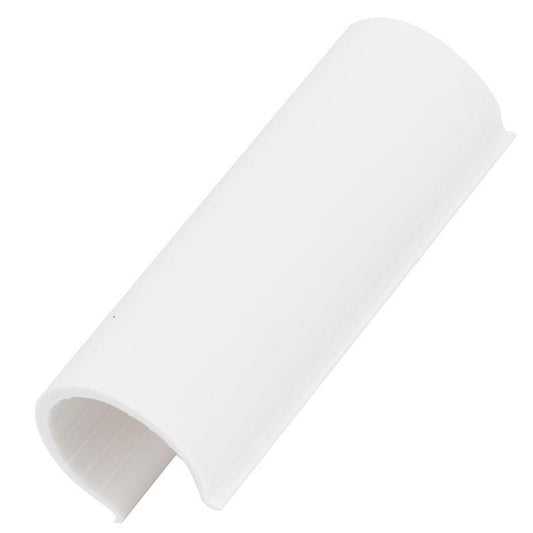
Use a tree guard, wrap, or trunk coating only when it is appropriate for the species, climate, and product directions. Guards must not trap moisture, overheat bark, constrict growth, or hide rodents and insects. Inspect and adjust them regularly.

After damage appears
Correct water or exposure problems and prevent further injury. Do not strip injured bark or apply wound dressings unless qualified local guidance recommends it. Wait to judge dieback until the boundary between living and dead tissue is clear, then prune correctly for the plant.
Rule out other disorders
Salt injury, root damage, fertilizer burn, frost, vascular problems, and pathogens can resemble sun injury. Review site patterns and recent events using the environmental tree-disorders video, and consult Cooperative Extension or a qualified arborist when trunk injury is extensive.
Browse shade cloth, tree guards, or the bare root tree establishment guide.
2 comments
Do you have any advice for treating sunscald once it’s on the tree?
Janet, once your tree has it you can’t reverse it, but you can wrap it to prevent further damage. You can use the spiral tree guards or follow the directions for making up the latex paint (not approved by organic certifiers).