


Item Number: SNV3074
Thalia Dill Seeds (Organic)
Dill for Pickling and Fresh Use









Check Your Zone Compatibility:

Our Guarantee To You
Since 1976, we've served our customers at every stage of growing. Please contact us at any time. We are happy to support and assist you.
Description
Description
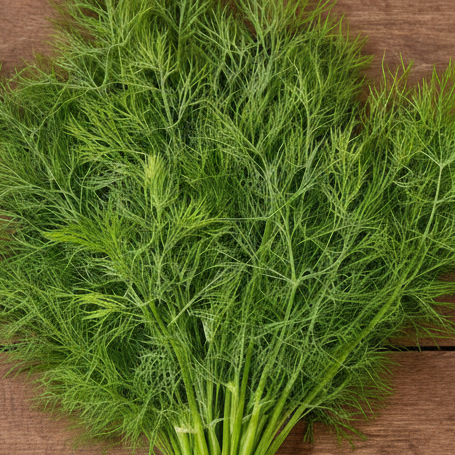
Anethum graveolens ‘Thalia’ is a lush, slow-to-bolt dill that brings a long season of bright, aromatic foliage to your garden and kitchen. This variety forms tall, graceful plants swaying with feathery blue-green fronds that are as beautiful in the bed as they are delicious on the plate. The mild, classic dill flavor shines in salads, sauces, and dips, while still holding up in canning and pickling projects. If you love to snip fresh herbs right before serving dinner, Thalia will quickly become a staple in your culinary garden.
Variety Details
- Botanical name: Anethum graveolens
- Plant type: Annual
- Growth habit: Herbaceous
- Crop category: Herb
- Kitchen profile: Anethum graveolens ‘Thalia’ is a lush, slow-to-bolt dill that brings a long season of bright, aromatic foliage to your garden and kitchen.
- Product format: Seed packet
Sowing & Growing
- Light: Full Sun
- Starting location: Direct Sow
- Recorded soil pH: 5.5 - 7.0
Match Thalia Dill to the light, soil, and temperature information recorded for the species. Some herbs are direct sown, while others benefit from a protected start or species-specific pretreatment, so retain the packet for reference. Keep seed media from drying during establishment without leaving it saturated. Once plants are growing, harvest modestly so foliage remains for continued development. Assign perennial herbs a long-term location, and consider containers for species with a spreading habit.
Because Thalia is slow to bolt, you enjoy a longer harvest window of tender leaves before the plants shift energy into flower and seed.
Before sowing Thalia Dill, review the packet alongside the current product details and note any range in temperature, germination, or maturity. Ranges reflect biological and seasonal variation rather than a fixed promise. Label each planting with its date and location, then compare emergence, growth, and harvest with local weather. This record is useful for succession plantings and for deciding whether the crop fits better into an earlier or later seasonal window.
Explore related options in our Herb Seeds.
Seed Pack Shipping
Seed Pack Shipping
Qualifying seed-pack-only orders under $50 ship for a $7 flat rate via USPS. Spend $50 or more on qualifying seed packs and receive free USPS shipping. Available within the contiguous 48 states.
Shipping Information
Shipping Information
Shipping Weight: 0.02 lb
Dimensions: 4.5"L x 3.25"W x 0.1"H
Features
Features
- Attracts Beneficial Insects
Characteristics
Characteristics
Planting & Care
Planting & Care
Soil & Water
Dill prefers full sun and loose, well-drained soil that is moderately rich in organic matter. Work in compost or well-rotted manure before planting to support steady, leafy growth. Aim for a soil pH in the neutral range and avoid very heavy, compacted areas where water tends to stand. Keep the seedbed consistently moist during germination, then water deeply and regularly so plants are never stressed by prolonged drying. Overly soggy conditions can weaken roots, while extreme drought can encourage earlier bolting.
Planting & Growing
Direct sow dill as soon as the soil can be worked in spring and continue with successions every few weeks for a continuous supply. Sow seeds 1/8"–1/4" deep, about 10 seeds per foot, in rows spaced 12"–24" apart. Dill does not like its roots disturbed, so if starting indoors, transplant carefully before plants become rootbound. In cooler regions, early sowings can be protected with row cover to encourage faster growth and earlier harvests.
Harvesting & Storage
Begin harvesting foliage when plants reach 8"–12" tall, snipping outer fronds as needed and leaving the central growth intact for continued production. For the best flavor, harvest in the cool of the morning once the dew has dried. To dry dill, bundle small bunches and hang them upside down in a warm, shaded, well-ventilated area, then strip and store leaves in airtight containers. For seed, allow flower heads to dry on the plant until the seeds turn brown, then cut the umbels and finish drying in paper bags before rubbing out the seeds. Properly dried leaves and seeds keep their aroma for many months, letting you enjoy the taste of your summer garden all year long.
Useful Information
Useful Information
Guarantee
Guarantee

Peaceful Valley Farm & Garden Supply brand vegetable seeds are guaranteed to germinate. Once the seeds have sprouted, please understand that Peaceful Valley cannot be held responsible for the many uncontrollable growing and climatic conditions that must be met to ensure the success of your crop(s).


- Choosing a selection results in a full page refresh.
- Opens in a new window.