
Item Number: SCL355
Palestine Strawberry Clover - Nitrocoated Seed (lb)
Low Growing Strawberry Clover




Check Your Zone Compatibility:

Our Guarantee To You
Since 1976, we've served our customers at every stage of growing. Please contact us at any time. We are happy to support and assist you.
Description
Description
Trifolium fragiferum Low-growing perennial legume.
Durable Living Cover for Managed Moisture and Tough Sites
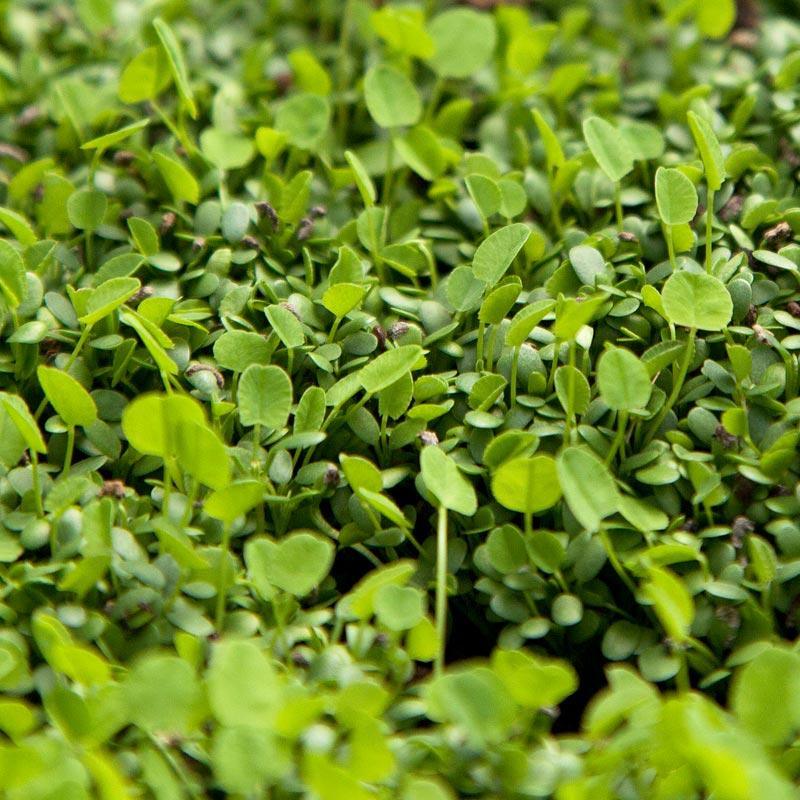
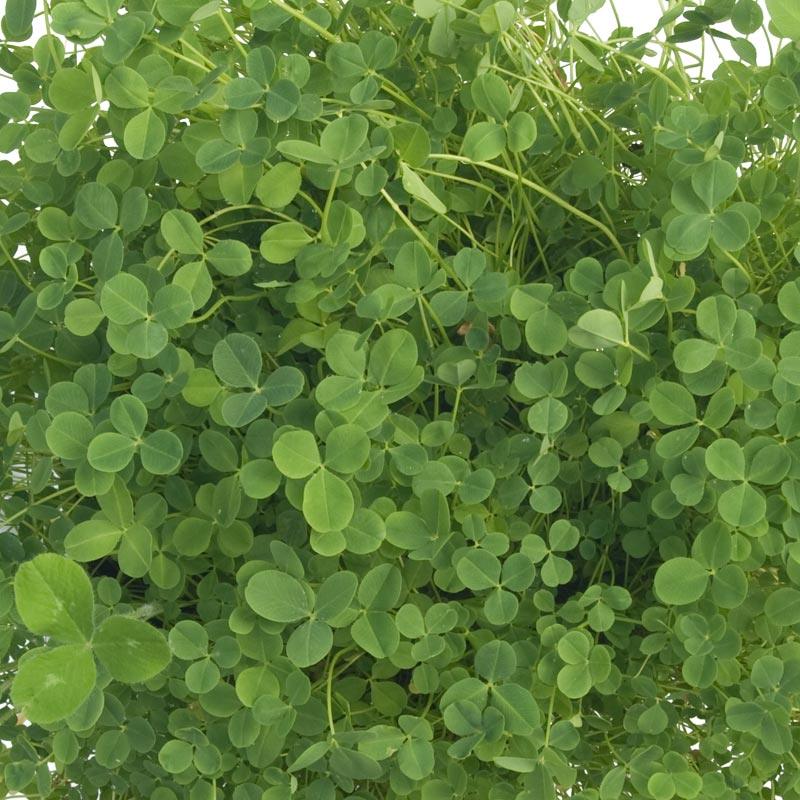
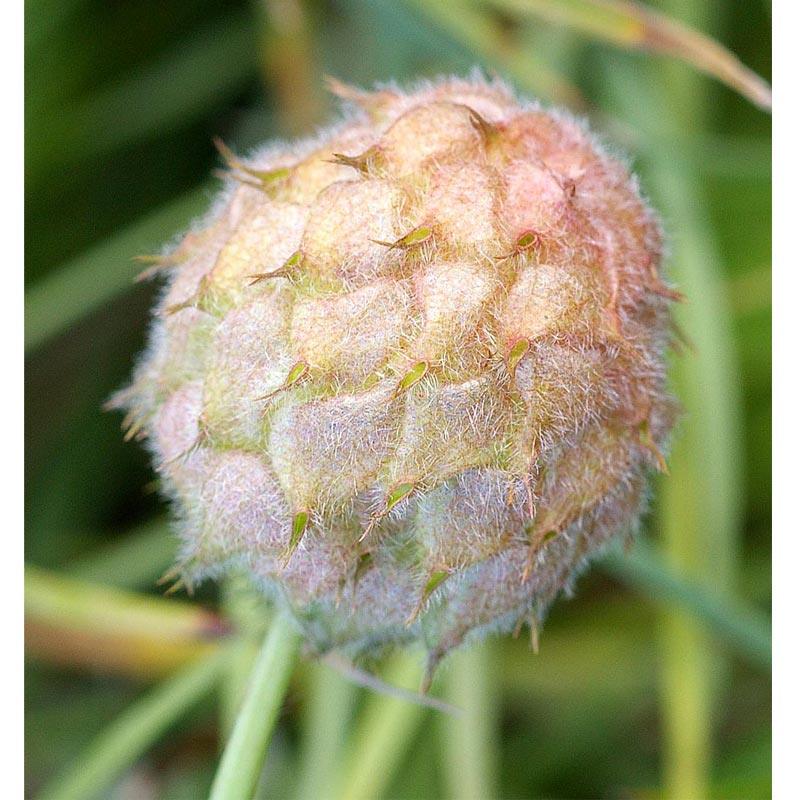
Palestine strawberry clover is a spreading perennial selected for sites where a persistent, traffic-tolerant living cover is more useful than a tall annual crop. It forms a low canopy, spreads along the soil surface, and produces rounded flower heads that resemble small strawberries as they mature. This growth habit makes it well suited to orchard and vineyard alleys, irrigated pasture, erosion-control plantings, and areas that are mowed or grazed regularly.
One of strawberry clover’s strongest features is its tolerance of conditions that challenge many other clovers. Established stands can handle waterlogged periods, moderately saline or alkaline soils, close grazing, and some summer dryness. It is a particularly useful option for low areas, heavier soils, and managed sites where moisture fluctuates. Although established plants are durable, dependable moisture during germination and early growth is important.
The clover contributes leafy forage, ground protection, and flowers for bees and other beneficial insects. When properly nodulated, it fixes atmospheric nitrogen and can support neighboring grasses or future crops. It can be planted alone for a low legume cover, but it also fits well in pasture mixtures where grasses add structure and extend seasonal production.
Establishment and Management
Seed into a weed-free, firm seedbed and cover only lightly. For broadcasting, roll or press the soil after seeding to improve seed-to-soil contact. Keep the surface consistently moist until seedlings are established. In existing pasture or orchard alleys, reduce competing vegetation before planting so the young clover receives light at the soil surface.
Once established, Palestine strawberry clover tolerates mowing and rotational grazing. Avoid scalping new stands, and allow enough leaf area after mowing or grazing for active regrowth. Where long-term groundcover is the goal, manage competition from tall grasses so the low clover canopy continues to receive light.
Product Details
- Application Rate: 12–15 lb per acre (about 0.28–0.34 lb per 1,000 sq ft)
- Planting Depth: ¼–½ inch in a firm seedbed
- Planting Season: Fall or spring with dependable establishment moisture
- Germination: Approximately 5–10 days under favorable conditions
- Plant Height: About 14 inches
- Uses: Orchards, vineyards, irrigated pasture, hay mixtures, erosion control, and beneficial-insect habitat
- Site Fit: Tolerates close grazing, periodic wetness, and moderately saline or alkaline conditions once established
- Inoculant: No additional inoculant is needed. The seed is Nitrocoated with the appropriate Rhizobium bacteria to support nodulation and nitrogen fixation.
Minimum order quantity: 50 pounds.
Note for certified organic growers: Nitrocoated seed is conventionally grown, non-GMO seed with no fungicide or insecticide seed treatment applied before coating. The coating contains certified organic powdered limestone, an organically approved binder, and an OMRI-approved peat-based inoculant, applied through an OMRI-approved process on a dedicated Nitrocoated-seed treatment line.
Shipping Information
Shipping Information
Ships directly from the manufacturer (tracking emails will not be sent — please call for tracking information).
Shipping Weight: 1.1 lb
Dimensions: 8.0"L x 6.0"W x 2.0"H
Features
Features
- Attracts Bees/Butterflies
- Attracts Beneficial Insects
- Cold Hardy
- Down to 25°F
- Fixes Nitrogen
- Germination in Soils
- Good for Forage/Hay
- Good for Weed Competition
- Helps Control Erosion
- Loosens Heavy Soils
- Nitrocoated
- Requires Summer Water
- Shade Tolerant
- Somewhat Drought Tolerant
- Tolerates Mowing/Grazing
- Tolerates Poor Drainage
Characteristics
Characteristics
Use Instructions
Use Instructions
Useful Information
Useful Information
Guarantee
Guarantee


- Choosing a selection results in a full page refresh.
- Opens in a new window.