Broccoli Companion Plants: What to Plant With Broccoli and What to Avoid
Broccoli is a productive cool season crop, but it does not thrive in isolation. Thoughtful companion planting for broccoli improves soil health, reduces pest pressure, and makes better use of space in the vegetable garden. Choosing the right broccoli companion plants can mean fewer cabbage worms and stronger, healthier heads.
This guide explains what to plant with broccoli, what to avoid planting nearby, and how to plan your beds for long-term success.
If you are selecting varieties, you can explore our full collection of broccoli seeds to match planting times and harvest goals.

Why Companion Planting Matters for Broccoli
Companion gardening broccoli is about more than saving space. Broccoli is a heavy feeder. It draws significant nitrogen and other nutrients from the soil. When planted next to crops that compete for nutrients, growth can suffer.
Broccoli companion planting works best when neighboring plants either:
- Improve pest control
- Attract beneficial insects
- Do not compete heavily for nutrients
- Occupy different root zones
Understanding these relationships helps you choose the best companion plants for broccoli.
For planting basics, review our detailed guide on how to grow broccoli or watch the step-by-step overview in our growing broccoli video.

Best Companion Plants for Broccoli
When choosing companion plants for broccoli, focus on diversity. A mixed planting reduces pest buildup and improves airflow.
Aromatic Herbs
An aromatic herb such as dill, rosemary, thyme, or sage can help deter cabbage moths. These herbs may confuse pests that target brassica plants.
Dill also attracts beneficial insects such as parasitic wasps that prey on cabbage worms.
Leafy Greens
Leafy green crops like lettuce and spinach grow quickly and have shallow roots. They do not compete deeply with broccoli’s root system. These are good companions because they mature before broccoli reaches full size.
Alliums
Onions, garlic, and chives can discourage certain insect pests. Their scent may help reduce pressure from cabbage moths and aphids.
Celery
Growing celery near broccoli can be beneficial. Celery occupies a different growth habit and does not directly compete for space in the same way other heavy feeders do.
Bush Beans
Bush beans are especially useful companion plants. Because they fix nitrogen in the soil, they may help improve fertility over time. While they still require nutrients, they are generally better neighbors than other brassica plants.

Plants to Avoid Planting Near Broccoli
Just as important as choosing good companions is knowing the bad companion plants for broccoli to keep out of your garden.
Other Brassica Plants
Avoid planting broccoli next to cabbage, cauliflower, kale, Brussels sprouts, bok choy, or other members of the cabbage family. These crops share the same pests, including cabbage worms and aphids, as well as soil-borne diseases like clubroot.
Growing them too close together increases pest buildup and disease risk. Rotate brassicas to a new area every year when possible.
Heavy Feeders
Broccoli is a heavy nitrogen feeder. Planting it next to other nutrient-demanding crops such as corn, squash, pumpkins, or potatoes can lead to competition for nitrogen and other essential nutrients.
This can reduce head size and overall vigor unless the soil is deeply amended with compost and balanced organic fertilizer.
Large or Sprawling Crops
Large vining crops like pumpkins and winter squash can crowd and shade broccoli. Reduced airflow and limited sunlight may increase disease risk and lower yields. Give broccoli full sun and adequate spacing to maintain strong growth.
With proper spacing, fertile soil, and crop rotation, broccoli will perform much better and experience fewer pest and disease problems.

Crop Rotation and Soil Health
Companion planting broccoli should always be paired with crop rotation. Avoid planting brassica plants in the same bed year after year. Rotating crops reduces soil diseases and pest buildup.
If you are planning your cool season garden, see Red, White and Broccoli for seasonal combinations.
After harvesting broccoli, consider what to plant after broccoli. Legumes such as bush beans or peas help restore nitrogen levels. This rotation strengthens long-term soil fertility.
Recommended Broccoli Varieties for Companion Planting
Different broccoli varieties respond similarly to companion planting strategies, but maturity timing can affect bed planning.
Strong options include:
- Calabrese Broccoli Seeds (Organic): Reliable central head and side shoots, well suited for spring and fall.
- Di Cicco Broccoli Seeds (Organic): Early and productive, pairs well with quick leafy greens.
- Romanesco Broccoli Seeds (Organic): Larger heads benefit from proper spacing and airflow.
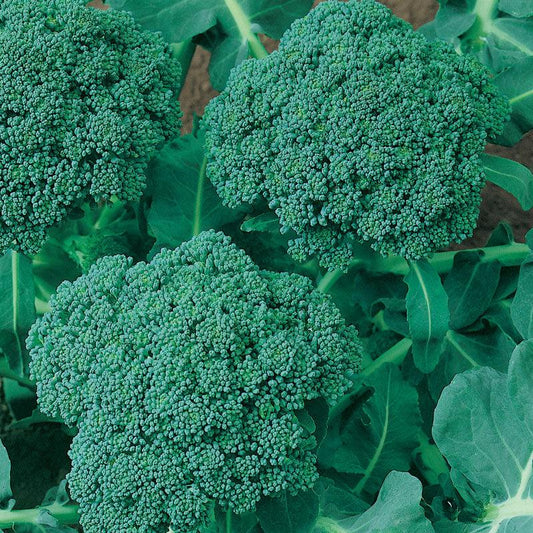
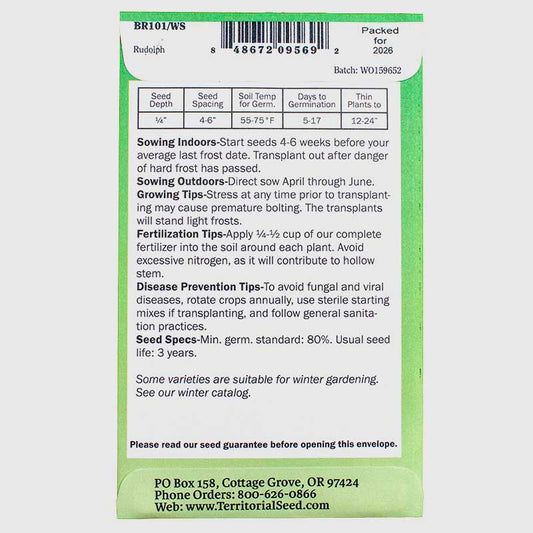
- Rudolph Broccoli Seeds: Excellent for fall frost conditions.
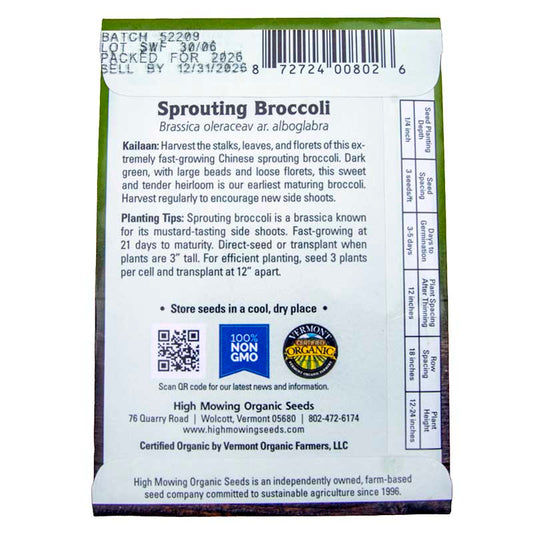
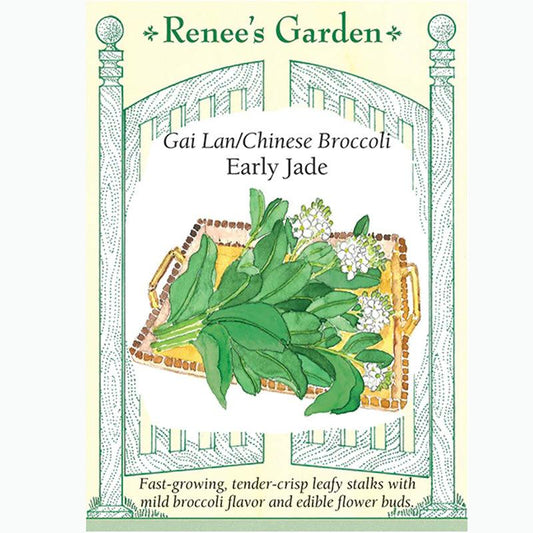
- Kailaan and Early Jade Gai Lan: Harvested for stems and leaves, fit well among mixed beds.
- All Season Broccoli Blend Seed Mix: Offers staggered harvest timing.
The Gift Seed Tin – Frost Kissed Collection includes Calabrese Broccoli along with several compatible cool season crops, making companion planting easier in spring and fall.
Where to Plant Broccoli in the Garden
Choose a sunny location with well-drained soil. Broccoli grows best in cool weather during spring and fall.
Allow adequate spacing for airflow. Good air circulation reduces disease and helps manage insect pests. Companion planting with herbs and flowers that attract pollinators and beneficial insects improves natural pest control.
When planning what to plant next to broccoli, think about plant height, root depth, and nutrient needs.
Conclusion
Broccoli companion plants play an important role in plant health and yield. The best companion plants for broccoli include aromatic herbs, leafy greens, celery, and bush beans. These crops support pest control and reduce competition.
Avoid planting broccoli next to other brassica plants or heavy feeders that compete for nutrients. Combine companion planting with crop rotation to maintain soil health over time.
With thoughtful planning, companion broccoli strategies can strengthen your vegetable garden and reduce pest pressure naturally.