Broccoli Worms and Other Common Pests: How to Identify, Prevent, and Fix the Damage
Broccoli is a dependable cool season crop, but it attracts its share of pests. Many home gardeners notice holes in leaves or a worm in broccoli just as the head begins to form. Understanding what you are seeing and acting early can protect your harvest.
This guide explains how to identify broccoli worms and other common broccoli bugs, how to prevent infestations, and what to do if damage appears.
If you are selecting varieties for your vegetable gardens, browse our full collection of broccoli seeds to choose types suited to your climate.

The Most Common Broccoli Worms
When gardeners talk about broccoli worms, they are usually referring to caterpillars that feed on brassica crops such as broccoli, brussels sprouts, and cabbage.
Imported Cabbageworms
Imported cabbageworms are green caterpillars that come from small white butterflies often seen fluttering over the garden. The adult butterflies lay eggs on the undersides of leaves. The larvae hatch and begin chewing irregular holes.
Signs include:
- Green worms on broccoli
- Ragged holes in leaves
- Dark green droppings on foliage
These are one of the most common worms in broccoli plants.
Cabbage Loopers
Cabbage loopers are another type of green caterpillar. They move in a looping motion as they crawl. Like cabbageworms, they feed on leaves and can tunnel into the head of broccoli if not controlled.
Diamondback Moth Larvae
The diamondback moth lays eggs on brassicas. The small larvae feed on leaf tissue and create small, irregular holes. Heavy infestations can skeletonize leaves.
Cutworms
Cutworms live in the soil and may cut off seedlings at the base. They are active at night and are considered a serious garden pest in early spring.

Aphids and Other Small Pests
Aphids on Broccoli
Aphids broccoli infestations appear as clusters of tiny green or gray insects on stems and leaf veins. Aphids on broccoli plants suck sap, which weakens the broccoli plant and may cause curling leaves. Aphids in broccoli are often found in tight leaf folds or near developing heads.
Flea Beetles
The flea beetle is a small, jumping insect that creates tiny shot holes in leaves. Young plants are especially vulnerable.
Are Broccoli Worms Harmful to Humans?
Many gardeners ask, are broccoli worms harmful to humans? The answer is no. While unpleasant to find, broccoli worm larvae are not toxic. However, damaged heads may harbor hidden insects, so rinse thoroughly before cooking or eating.
If worms have tunneled deeply into the head of broccoli, quality declines. In that case, trim affected sections.

How to Prevent Broccoli Bugs
Prevention is more effective than rescue treatments.
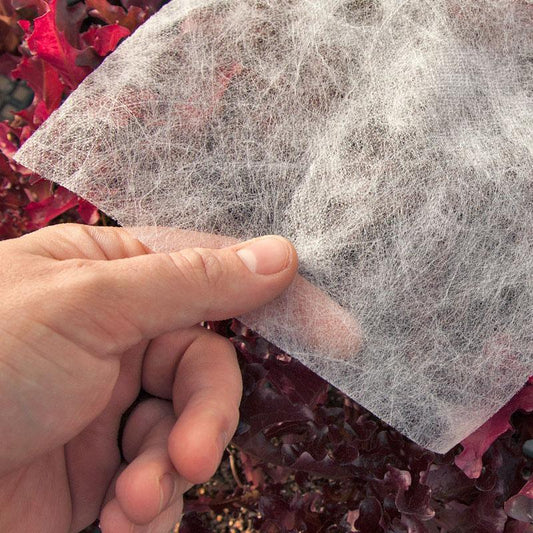
Use Floating Row Covers
Floating row covers create a physical barrier that prevents white butterflies and other insects from laying eggs on leaves. Install covers immediately after transplanting.
Encourage Beneficial Insects
Beneficial insects such as lady beetles and parasitic wasps help control aphids and caterpillars. A parasitic wasp lays eggs inside caterpillars, reducing populations naturally.
Planting diverse crops and flowering herbs supports these helpful predators.
Monitor Undersides of Leaves
Inspect the undersides of leaves weekly. Early detection of worms on broccoli or aphids broccoli colonies allows quick removal.
Organic Treatment Options
When prevention is not enough, organic controls are effective if applied correctly.
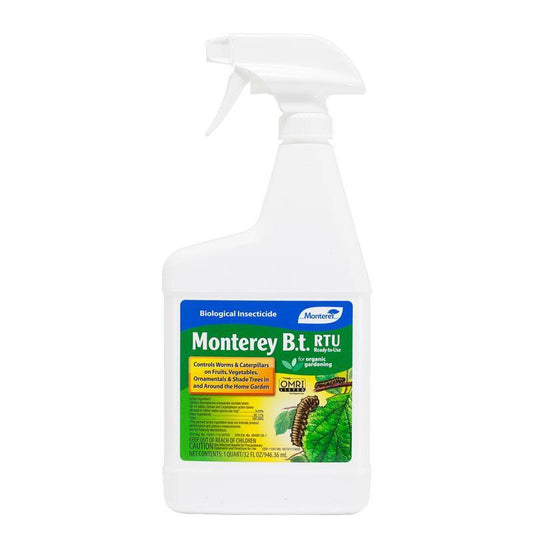
Bacillus thuringiensis (Bt)
Bacillus thuringiensis BT is a naturally occurring soil bacterium that targets caterpillars. Bt products affect only susceptible larvae that ingest a labeled treatment; activity depends on strain, target, timing, and coverage. Apply in the evening for best results and repeat as needed.
Neem Oil
Neem oil can help manage aphids on broccoli plants and other soft-bodied insects. It works by disrupting feeding and reproduction.
Insecticidal Soap
Insecticidal soap is useful for aphids in broccoli. Spray directly on the insects, coating them thoroughly.
For detailed planting and care strategies that reduce pest pressure, review our guide on how to grow broccoli and watch practical tips in our growing broccoli video.

Fixing Damage and Saving the Harvest
If you see bugs on broccoli or signs of bugs eating broccoli leaves, remove caterpillars by hand when possible. Early removal limits damage.
After heavy feeding, plants can still recover if the central growing point remains intact. Continue watering consistently and provide balanced fertility.
Before harvesting, soak heads in cool salted water for 15 to 20 minutes. This encourages hidden worms in broccoli to release from the florets.
Varieties to Grow
While no broccoli varieties are completely immune to pests, strong, healthy plants resist damage better. Consider:
- Calabrese Broccoli Seeds (Organic): Reliable central head and productive side shoots.
- Di Cicco Broccoli Seeds (Organic): Vigorous growth and extended harvest.
- Romanesco Broccoli Seeds (Organic): Dense heads benefit from early pest monitoring.
- Rudolph Broccoli Seeds: Performs well in cool fall conditions.
- Kailaan and Early Jade Gai Lan: Chinese broccoli types harvested for stems and leaves.
The Gift Seed Tin – Frost Kissed Collection includes Calabrese Broccoli and other cool season crops suited to spring and fall planting.
For seasonal planning ideas, see Red, White and Broccoli.
Conclusion
Broccoli plant worms and other broccoli pests are common but manageable. Regular inspection and correctly timed exclusion can reduce exposure. If a pesticide is needed, select it by the identified pest and current label.
By understanding the life cycle of cabbage loopers, imported cabbageworms, aphids, and flea beetles, home gardeners can prevent serious damage and harvest clean, healthy broccoli heads. Healthy soil, good airflow, and close monitoring remain the best defense in any vegetable garden.