Fig leaves are useful diagnostic clues, but a color or shape alone is not a diagnosis. Start with where symptoms appear, when they began and whether the soil is dry, moist or saturated. This page focuses on foliage symptoms; for confirmed pests and diseases, use the fig pest and disease guide.

First Check: Normal Seasonal Change
Deciduous figs naturally yellow and drop their leaves in fall. A few older interior leaves can also senesce during the growing season. Sudden widespread symptoms, damaged new growth or premature defoliation deserve investigation.
Yellow Fig Leaves
- Wet soil plus yellowing: reduce unnecessary irrigation and check drainage and roots.
- Dry soil plus wilt or crisp edges: water the root zone deeply and review irrigation coverage.
- Older leaves yellow first: consider root stress or nutrient shortage only after watering and drainage are checked.
- Patchy yellow mottling or rings: inspect for fig mosaic-like symptoms and mites.
Drooping or Wilting Leaves
Droop can mean either insufficient water or roots unable to function in saturated soil. Feel soil several inches deep. If it is dry, irrigate thoroughly; if it is wet, adding water can worsen the problem. Newly planted and container figs need special attention because the root ball can dry differently from surrounding soil.
Curling and Distorted Leaves
Heat, drought, root injury, herbicide drift, excessive fertilizer and sap-feeding pests can curl or distort leaves. Inspect the youngest growth and leaf undersides. Note whether the symptom appeared immediately after spraying, feeding, repotting or extreme weather.

Brown or Black Spots
Spots can result from rust and other fungi, bacterial problems, mites, sun or spray injury. Record whether spots have margins or pustules, occur above or below the leaf, and expand after wet weather. Remove heavily affected fallen leaves and avoid routinely wetting foliage while seeking a diagnosis.
Leaf Drop
Premature drop may follow drought, saturated roots, cold, heat, transplant shock, rust, mites or a sudden environmental change. Correct the underlying cause rather than treating leaf drop itself.

A Five-Step Diagnostic
- Confirm whether the plant is an edible outdoor fig or an indoor ornamental Ficus; their environments and common problems differ.
- Check soil moisture and drainage at root depth.
- Inspect both sides of leaves and young shoots with a hand lens.
- Review recent weather, fertilizer, pesticide and herbicide exposure.
- Photograph progression and seek local diagnostic help if symptoms spread.
Do Not Spray by Symptom Alone
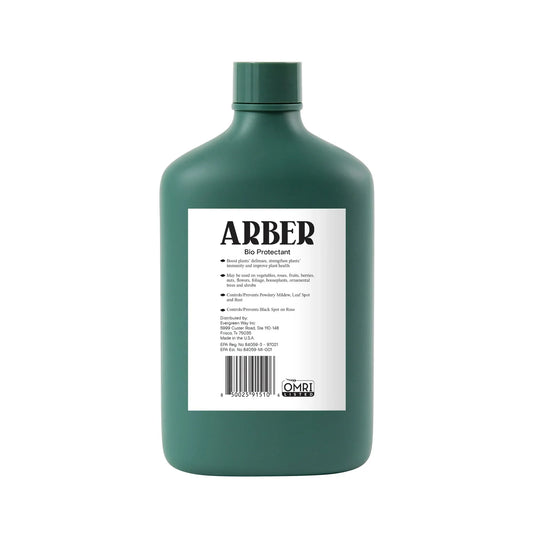
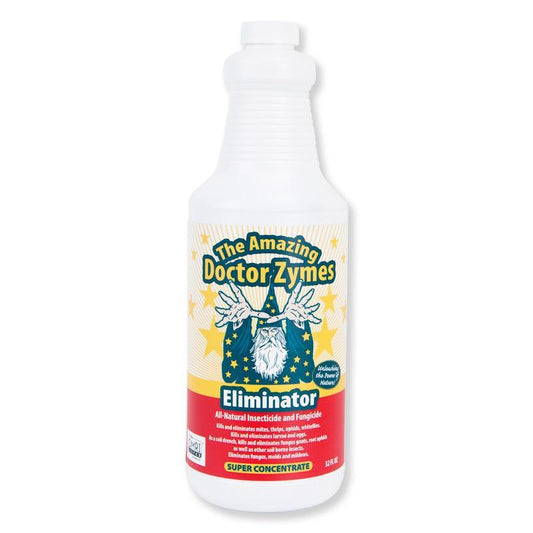
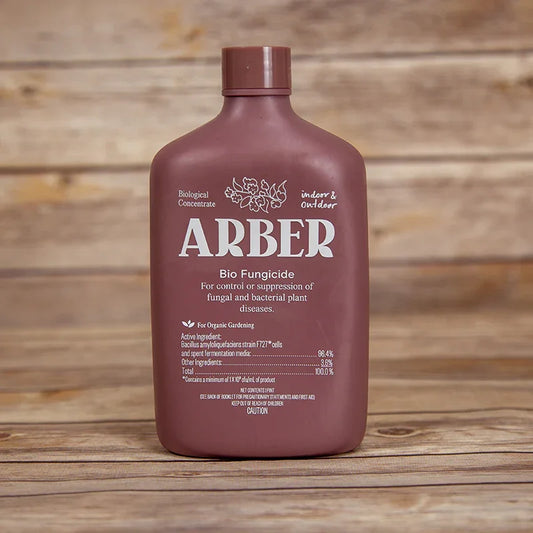
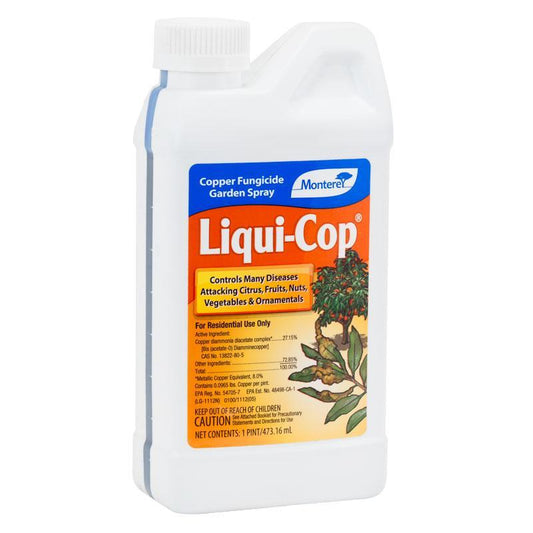
Oils, soaps, fungicides and other products target different problems and can injure stressed foliage. Confirm the crop and target are on the label, follow timing and rates, observe preharvest intervals and protect pollinators. The label is the law.
Support Recovery
Maintain even—not constantly wet—soil moisture, preserve good drainage, keep mulch off the trunk and avoid unnecessary fertilizer while the tree is stressed. For full cultural guidance, see How to Grow Figs, or browse the fig trees collection.