Start fig-tree troubleshooting with the symptom and the affected plant part. Leaf spots, distorted growth, wilt, dieback and damaged fruit can come from pests, pathogens, weather or root-zone stress. Similar symptoms require different responses, so identify the likely cause before applying any spray.

Fig Symptom Checklist
- Yellow or brown leaf spots: inspect both leaf surfaces; consider rust, other leaf-spot fungi, mites, spray injury and water stress.
- Mottled or distorted leaves: consider fig mosaic-associated viruses and eriophyid mites, but also rule out herbicide injury and root stress.
- Wilting in wet soil: investigate drainage and roots before adding more water.
- Sticky leaves or black sooty growth: look for honeydew-producing scale, aphids or whiteflies.
- Chewed leaves or damaged fruit: inspect at several times of day for beetles, caterpillars, slugs, birds or mammals.
- Cankers or branch dieback: look for dead bark, injury, sunburn, cold damage and pathogen entry points.
Common Fig Diseases and Disorders
Fig Rust and Leaf Spots
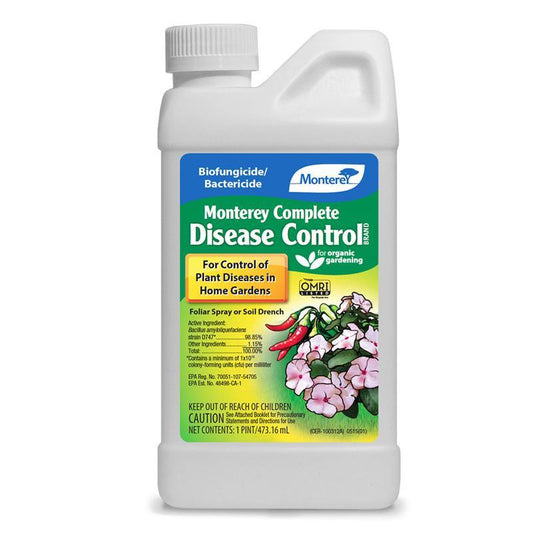
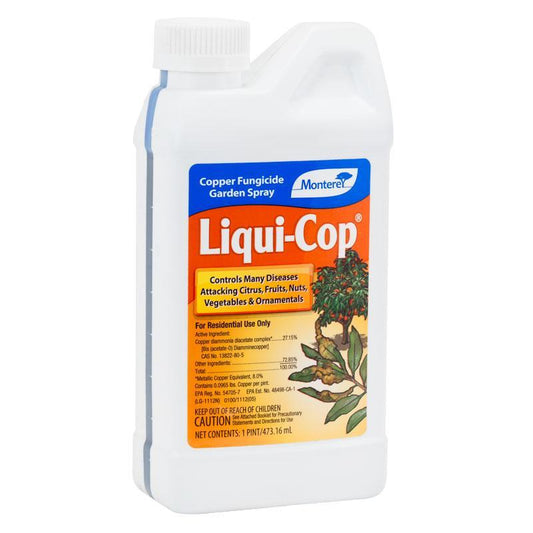
Rust commonly produces yellow spots above and rust-colored pustules below, followed by premature leaf drop. Remove fallen leaves, avoid unnecessary leaf wetness and improve air movement. Correct diagnosis matters because fungicide labels, timing and availability vary.
Fig Mosaic Symptoms
Fig mosaic disease is associated with a complex of viruses and can cause mottling, rings, distortion and reduced vigor. Fig bud mites can spread associated viruses. There is no spray that cures a virus inside a tree. Start with healthy propagation material, manage mite vectors when confirmed and consider removing severely affected plants.
Root and Crown Rot
Chronic saturation can damage roots directly and favor root-rotting organisms. Warning signs include weak growth, yellow leaves, wilt despite wet soil and dark, decayed roots. Correct drainage and irrigation first. Severely decayed structural roots are difficult to restore.
Cankers and Dieback
Dead or sunken bark and progressive shoot death may follow freeze injury, wounds or infection. Prune dead wood during dry weather, cutting back to healthy tissue. Clean tools when moving between suspect trees and dispose of diseased material appropriately.

Common Fig Pests
Mites
Spider mites can cause stippling and bronzing, often with fine webbing. Fig bud mites are microscopic and associated with distorted growth and virus spread. Confirm mites with a hand lens or local diagnostic help. Water stress can worsen spider-mite damage.
Scale and Other Sap Feeders
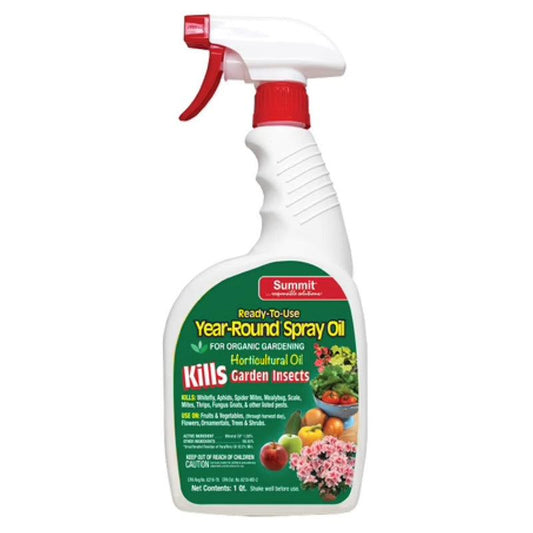
Scale insects appear as fixed bumps on stems or leaves; aphids and whiteflies are more mobile. Honeydew, ants and sooty mold are useful clues. Ants usually indicate a sugar source rather than being the primary cause. Browse products labeled for the confirmed pest in the scale insect control collection.
Root-Knot Nematodes
Root-knot nematodes can cause galls, weak growth and poor yield, especially in warm soils. Diagnosis requires examining roots or testing. Start with clean planting material and avoid moving infested soil.
Fruit-Feeding Wildlife and Insects
Birds, rodents, beetles and ants may visit split or overripe fruit. Harvest promptly, remove fallen fruit and use exclusion such as properly secured netting where safe and appropriate.

Use Pesticides Only After Identification
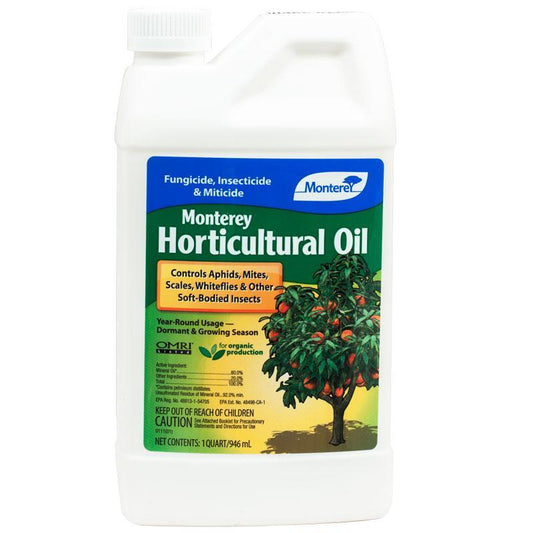
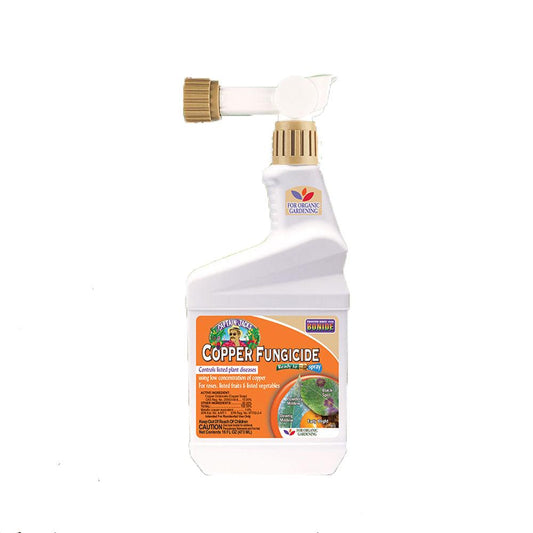
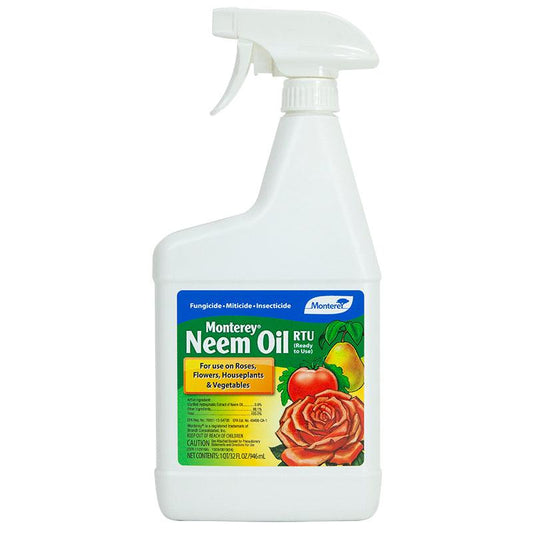
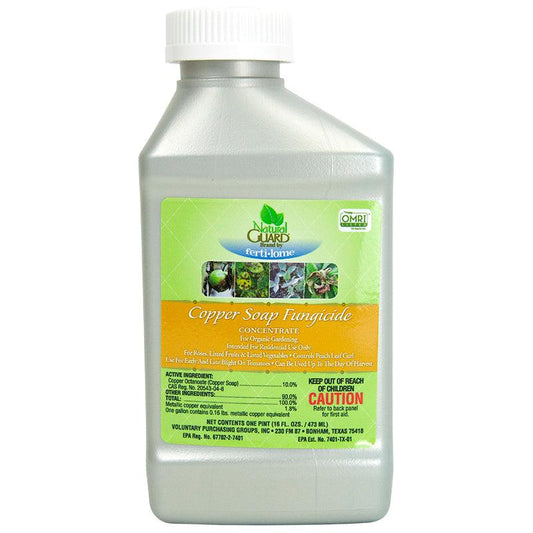
Horticultural oils, soaps and other products are not interchangeable and can injure leaves or fruit under some conditions. Confirm that the label lists the crop and target pest, follow rates and timing, observe preharvest intervals, avoid heat-stressed plants and protect pollinators. The label is the law.
Prevention That Helps Across Problems
- Plant in full sun with drainage and enough airflow.
- Water the soil rather than routinely wetting foliage.
- Remove fallen fruit and diseased leaves.
- Prune damaged wood with clean tools.
- Inspect new plants before placing them near established figs.
- Record when symptoms begin and whether they spread.
For normal planting and maintenance, use the complete fig growing guide. If the tree looks healthy but lacks fruit, follow the fig fruiting diagnosis. To choose a healthy, climate-appropriate tree, browse the fig trees collection.