
Fig Tree Leaves Turning Yellow, Drooping, Curling, Brown Spots – Causes & Solutions
Fig trees are generally tough and forgiving, but even the healthiest plant can send distress signals—especially through its leaves. If you’re noticing fig tree yellow leaves, fig leaves curling, brown spots on fig leaves, or leaves drooping, don’t panic. These symptoms are common problems many gardeners face during the growing season. With the right guidance, you can figure out what your plant is trying to tell you and restore it to full health.
This guide covers the most common reasons behind fig tree leaves turning yellow, dropping leaves, developing brown or black spots, and curling—plus simple solutions even beginners can follow.

Why Are My Fig Tree Leaves Turning Yellow?
Yellowing leaves—whether on outdoor fig trees or indoor fiddle leaf fig plants—usually point to stress, and similar symptoms such as fig tree leaves turning brown or fig tree leaves drooping can signal the same underlying issues. Understanding the cause helps you fix the problem quickly before it spreads.
1. Overwatering or Poor Drainage
Too much water is the most common reason gardeners ask, “Why is my fig tree leaves turning yellow?”
Excess water suffocates roots, encourages root rot, and prevents nutrient absorption.
Signs of overwatering
- Large patches of yellowing leaves
- Leaves feeling soft before falling
- Soil staying wet for days
- Pots without proper drainage holes
How to fix it
- Let soil dry between waterings
- Use well-draining potting soil
- Improve drainage around in-ground trees
- For containers, choose a pot with multiple drainage holes
If you’re growing figs from scratch, healthy trees and planting tips can be found in the Figs Growing Guide.
2. Underwatering — Not Enough Moisture
Leaves may turn yellow or brown around the edges when the plant isn’t getting enough water.
Symptoms
- Crispy yellow patches
- Fig leaves drooping
- Leaves falling off
How to fix it
Maintain a consistent watering routine—deep watering once a week is usually enough for outdoor fig trees during the growing season. For indoor fiddle leaf fig tree care, water your plant when the top inch of soil feels dry.
3. Lighting Conditions
Both too much and too little light can cause fig tree leaves turning yellow.
Too much sun
Leads to fig leaves turning brown or developing burnt edges.
Too little sun
Triggers:
- Pale yellow leaves
- Weak growth
- Leaf drop
Fig trees thrive in full sun. If you’re starting a new plant, this helpful video on planting a potted fruit tree shows how to position your tree for best light.

Fig Leaves Turning Brown or Showing Spots
Brown or black spots often signal a disease or pest problem.
1. Fungal Infections (Most Common Cause)
Figs are vulnerable to several fungal infections during warm, humid weather.
Fig Rust
Rust on fig tree leaves begins as tiny yellow spots that turn rusty brown.
Leaf Spot
These appear as water-soaked brown circles.
Anthracnose
Causes spreading brown patches and distorted leaves.
Common symptoms
- Brown spots on fig tree leaves
- Fig tree brown spots that expand
- Turning brown edges
- Leaves dropping prematurely
How to treat brown spots on fig leaves
- Remove and discard infected leaves
- Water only the soil, not the foliage
- Improve air circulation
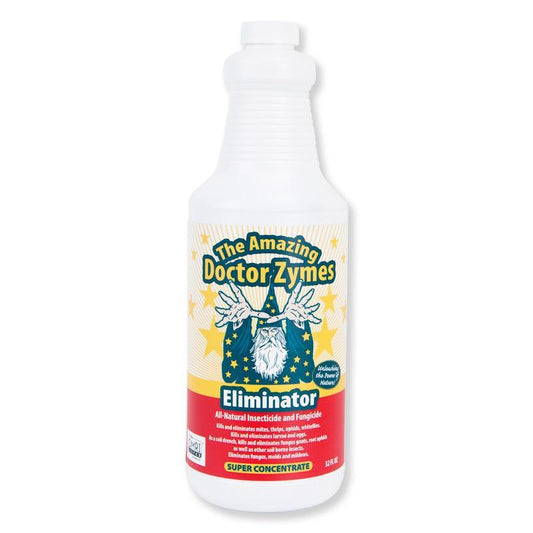
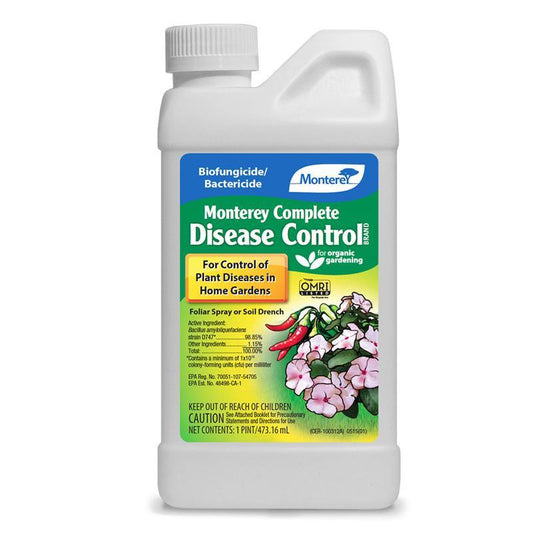
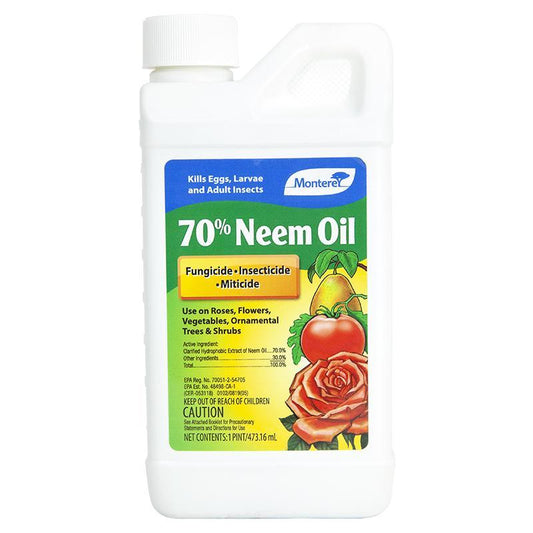
- Apply an organic fungicide
2. Bacterial Infection
Less common but more aggressive than fungal issues.
Symptoms
- Black spots on fig leaves
- Sticky residue
- Sudden leaf drop
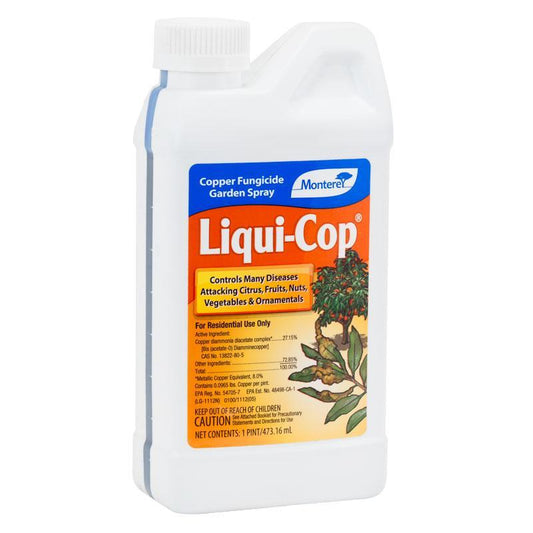
If you see black spots on fig tree leaves, prune infected areas and use a copper-based spray.
3. Pests Causing Leaf Damage
Several fig pests chew, suck, or damage leaves, leading to discoloration.
Spider Mites
These tiny pests suck sap and cause:
- Yellow speckling
- Fine webbing
- Curling leaves
Scale or Aphids
These insects cause:
- Sticky residue
- Yellowing
- Distorted foliage
Removing pest-damaged leaves helps improve airflow. To prevent pests from coming back, explore nearby gardener-friendly plants such as those in the deer-resistant vegetables and berries list.

Fig Leaves Curling: What It Means
Fig leaf curl or curling leaves often appear when the plant is stressed.
Common causes
- Heat stress
- Underwatering
- Overfertilizing
- Pest damage (especially spider mites)
- Poor root health
If your fig tree leaves are turning yellow and curling, the issue is likely water stress or pests.
Fig Leaves Drooping or Falling Off
Drooping leaves
Often caused by:
- Irregular watering
- Excess water
- Sudden weather changes
Leaf drop
Can happen when fig trees experience:
- transplant shock
- overwatering
- nutrient deficiency
- fungal disease
Sudden fig leaves falling off is usually stress-related, not fatal—your tree can bounce back quickly.
Outdoor vs. Indoor: Extra Notes for Fiddle Leaf Fig Plants
Indoor fiddle leaf figs often show:
- Yellowing from low light
- Brown spots from overwatering
- Curling from dry indoor air
If your indoor tree is losing leaves, move it to brighter light and adjust watering.
For long-term success, you can explore growing in-ground trees or replacing an unhealthy plant with one from this curated fig tree collection.

Prevention Tips for Healthy Fig Leaves
Choose the right planting location
Full sun + good airflow = fewer leaf problems.
See step-by-step instructions in the How to Grow Figs Guide.
Improve soil and drainage
Loose soil helps prevent fungal disease and root rot.
Monitor regularly
Early signs like yellow spotting or brown dots make diagnosis much easier.
Plant for success
If you’re just getting started, the Guide to Planting and Care for Fig Trees is a great beginner resource.
Conclusion
Seeing fig leaves turning yellow, curling, showing brown spots, or drooping can be stressful—but these signals are your fig tree’s way of asking for help. Most issues come from watering problems, lighting conditions, pests, or fungal infections. With careful observation and the simple fixes in this guide, your tree can recover and thrive.
Healthy leaves lead to a healthy fig tree—and with the right care, you’ll enjoy stronger growth and better fruit for seasons to come.