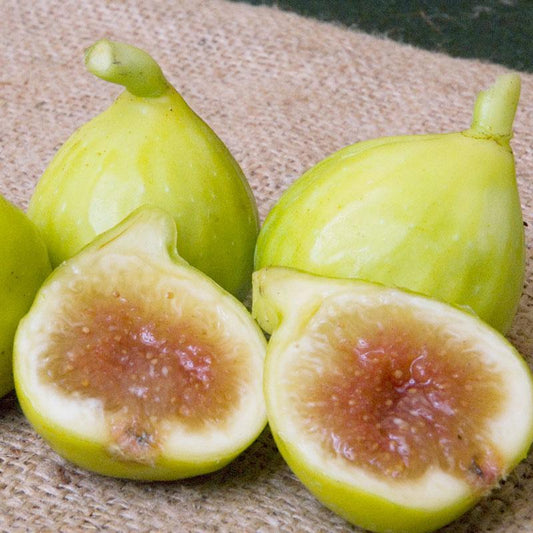
A Beginner-Friendly Guide to Growing Fig Trees Indoors
Growing a fig tree indoor may sound unusual at first, but many gardeners have discovered that certain figs adapt surprisingly well to life inside the home. With the right light, watering routine, and soil conditions, an indoor fig tree can become one of the most rewarding additions to your indoor garden. Best of all, fig tree indoor plant care is not as complicated as it may seem—especially when you understand what figs need to thrive in an indoor environment.
Whether you want a compact ornamental tree, a fruit-producing container plant, or an alternative to more finicky tropical plants, this guide will walk you through everything you need to know about growing fig trees indoors.
If you're looking for high-quality varieties suited for indoor growing, explore our selection of potted fig trees for reliable options.

Can Fig Trees Be Grown Indoors?
Yes—growing figs indoors is entirely possible, and fig trees can thrive with the proper care. Not all fig varieties adapt well to indoor conditions, but several compact species are excellent choices for indoor cultivation.
According to Indoor Garden Space, indoor-friendly figs include:
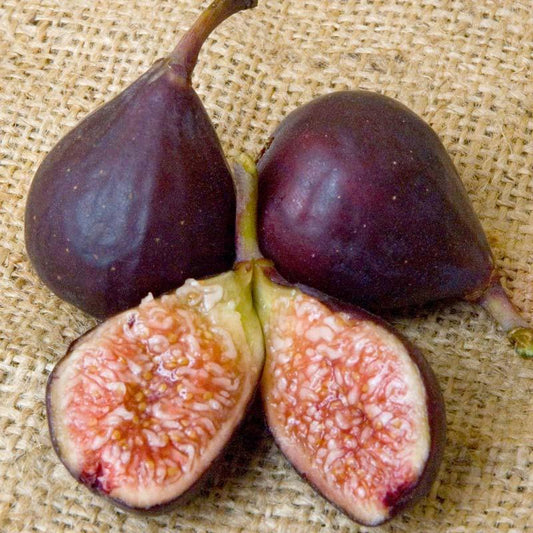
- Black Mission Potted Fig Tree – Compact growth, tolerates container life well
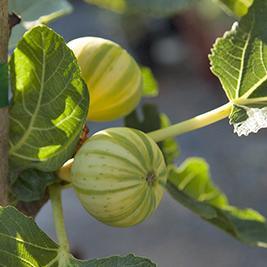
- Violette de Bordeaux Potted Fig Tree – Naturally small, excellent flavor, widely recommended for indoor growing
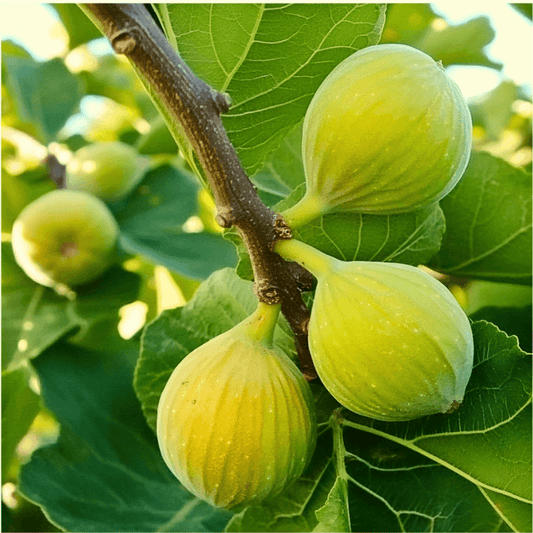
- Improved Brown Turkey Potted Fig Tree – Hardy, adaptable, and known to fruit reliably in containers
These varieties remain manageable in pots, respond well to pruning, and adapt to lower light levels compared to outdoor fig cultivars.
Container-friendly figs typically grow 6–10 feet indoors and tolerate seasonal indoor/outdoor movement during the growing seasons.
Choosing the Right Indoor Fig Tree
When selecting a fig tree for indoors, consider:
1. Growth Habit
Compact or dwarf-type trees are ideal indoors.
2. Light Needs
Most figs—including fiddle leaf figs ficus (Ficus lyrata)—prefer bright indirect light, though fruiting edible figs generally need even stronger light.
3. Your Space
Select a pot size and height that fits comfortably in your home.
For planting and long-term care, see our complete guide to planting and care for fig trees.

Indoor Fig Tree Care 101
Learning how to care for a fig tree indoors is easy once you understand light, watering, soil, and seasonal needs.
The following sections explain the essentials of indoor fig plant care and how to avoid common problems like dropping leaves, brown spots, or root rot.
Light Requirements
While indoor fig trees can tolerate moderate lighting, they thrive best in bright indirect light. South- or west-facing windows are ideal.
If sunlight is limited, using a grow light—especially in winter—greatly improves indoor growth and keeps your indoor fig from growing leggy.
Green Plotter’s indoor fig guide confirms that consistent lighting is one of the top factors for healthy fig plants indoor.
Watering: Finding the Right Balance
Watering is one of the most important parts of indoor fig tree care. Too much moisture causes root rot, while too little leads to dropping leaves.
Watering Tips
- Water when the top inch of soil feels dry.
- Ensure your pot has large drainage holes so excess water can escape.
- Empty saucers after watering to prevent soggy soil.
If brown spots appear on leaves, overwatering is often the cause. Underwatering, on the other hand, may lead to dry edges and brittle leaves.

Soil & Potting Requirements
A well-draining potting mix is essential for fig tree indoor plant care. Choose a mix designed for indoor trees or combine:
- High-quality potting soil
- Perlite
- A small amount of compost
This improves air flow around the roots and protects the root ball from staying too wet.
When potting, choose a container 2–4 inches wider than the current root system.
Fertilizing and Plant Food
During the active growing seasons (spring and summer), feed your indoor fig plant every 4–6 weeks with a balanced plant food or liquid fertilizer. Reduce feeding in late fall and winter, when growth naturally slows.
In early spring, repot or refresh the top layer of soil to give the tree new nutrients for the upcoming season.
Temperature & Humidity
Indoor figs enjoy temperatures between 60–75°F. They appreciate moderate humidity, especially during winter heating months.
For added moisture:
- Place a tray of water near the plant
- Mist lightly
- Use a small humidifier
This prevents leaf edges from browning.
Indoor Fig Problems & Fixes
Understanding common issues helps you maintain long-term fig tree indoors health.
Dropping Leaves
Often caused by:
- Sudden temperature changes
- Underwatering
- Overwatering
- Low light
Gradually adjust conditions rather than changing everything at once.
Brown Spots on Leaves
Usually caused by:
- Water stress
- Fungal moisture issues
- Poor drainage
Improve light and reduce watering frequency.
Root Rot
Often occurs from:
- Poor drainage
- Waterlogged soil
- Pots without drainage holes
Repot immediately in fresh, well-draining soil if rot is suspected.

Fiddle Leaf Fig vs. Edible Indoor Figs
Many people confuse the decorative fiddle leaf fig tree (Ficus lyrata) with edible indoor figs (Ficus carica). Although both are popular indoor plants, they differ:
- Fiddle leaf figs ficus / leaf figs ficus lyrata = ornamental, not grown for fruit
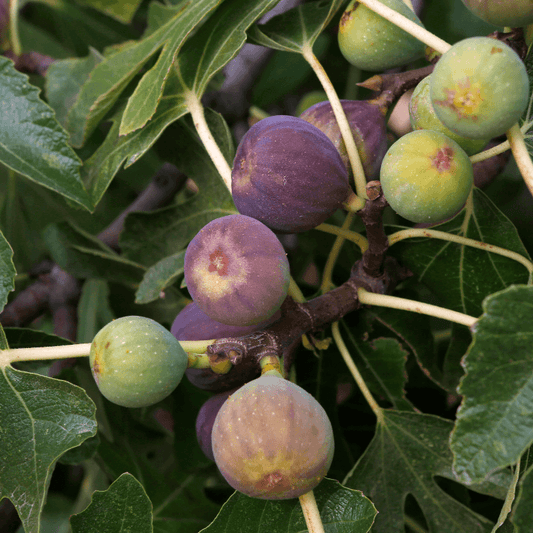
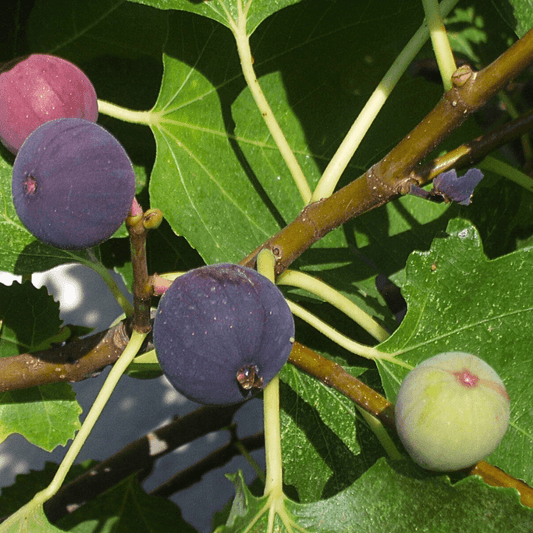
- Indoor edible figs (like Black Mission or Brown Turkey) = grown to produce fruit
Both need bright indirect light, careful watering, and protection from drafts.
See our helpful how to grow figs guide for more details.
Best Indoor Fig Varieties We Sell (Research-Supported)
Based on indoor-fig research from different sources, these varieties from our catalog adapt best to indoor environments:
Violette de Bordeaux Potted Fig Tree
Compact, highly container-friendly, and one of the most recommended figs for indoor growing.
Improved Brown Turkey Potted Fig Tree
Hardy, reliable, and productive in indoor/outdoor pot rotations.
Black Mission Potted Fig Tree
Compact growth and excellent fruit quality; widely grown in containers.
These trees remain small enough for indoor areas, tolerate pruning well, and perform reliably in pots.

Seasonal Care for Indoor Figs
Early Spring
- Begin feeding again
- Repot if needed
- Move the tree closer to bright light
Summer
- Increase watering
- Provide more light
- Move outdoors if desired (acclimate slowly)
Fall
- Reduce watering
- Stop fertilizing
- Prepare the plant for slower growth
Winter
- Use a grow light
- Protect from drafts
- Water sparingly to avoid root rot
Conclusion
Growing a fig tree indoors is rewarding, low-stress, and perfect for gardeners who enjoy unique and productive houseplants. With proper fig plant indoor care, including bright indirect light, the right amount of water, and a well-draining potting mix, your fig can thrive for years.
For those wondering can fig trees grow indoors, the answer is yes — many varieties adapt well to indoor conditions when given consistent attention. Following basic fig tree care indoor practices ensures healthy foliage and, in fruit-bearing varieties, bountiful harvests.
Whether you are exploring fig tree growing indoors or simply want a vibrant, leafy addition to your home, both fruiting figs like Violette de Bordeaux, Improved Brown Turkey, or Black Mission, and ornamental options benefit from care routines similar to fiddle leaf fig care.
To learn more about planting and caring for container fruit trees, explore our helpful video on planting a potted fruit tree.