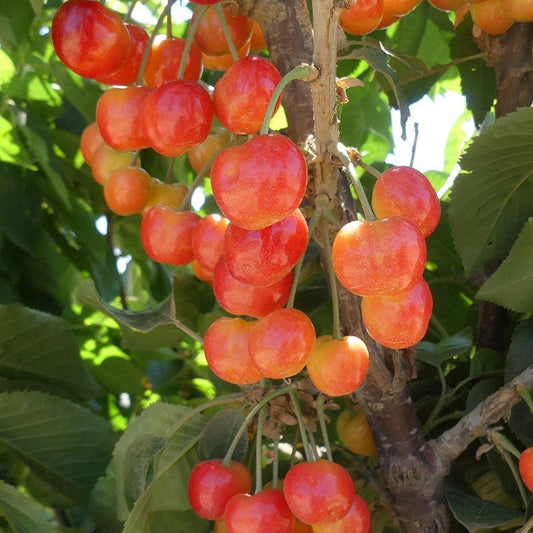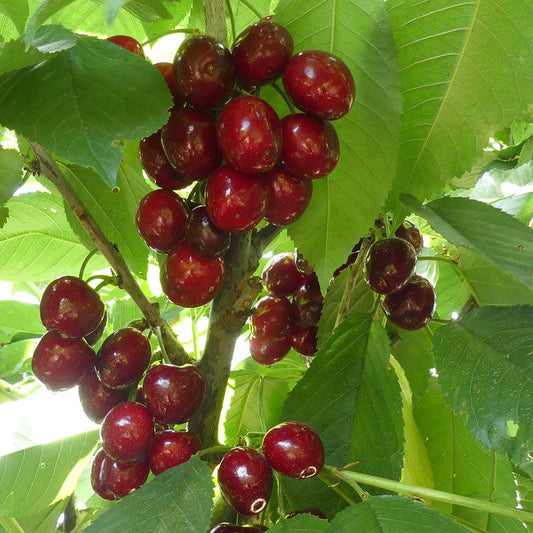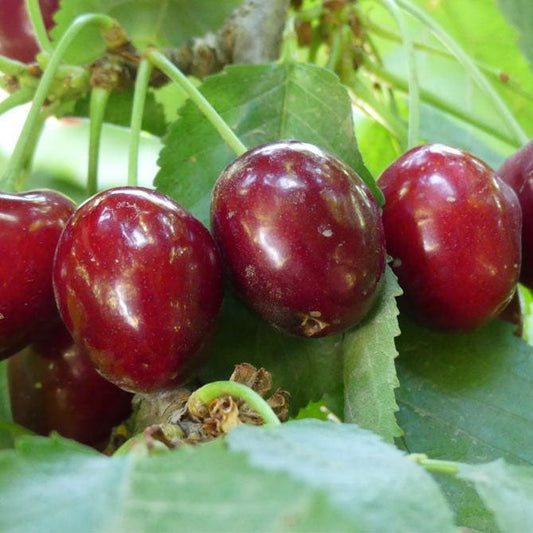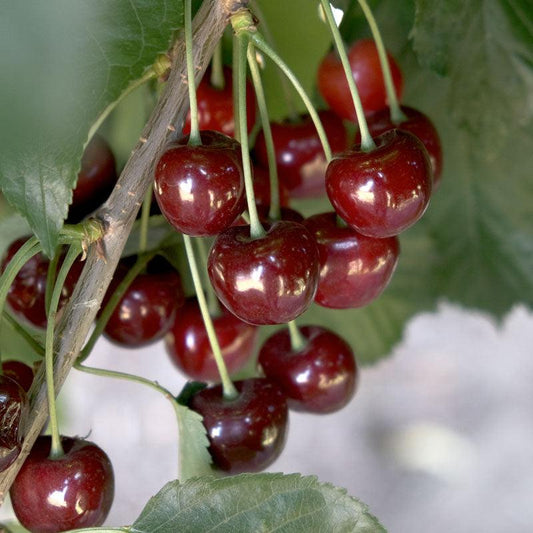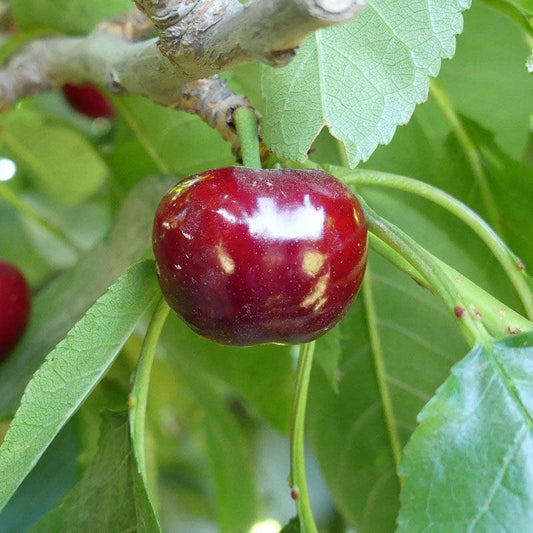

Fruiting Cherry Trees: Tips to Boost Production Through the Cherry Fruiting Season
Cherry trees are some of the most rewarding fruit trees you can grow. Whether you dream of homemade cherry pie, bowls of fresh cherries, or a reliable yearly cherry crop, understanding how fruiting cherry trees work will help you get the best results.
Beginner and intermediate gardeners often ask when do cherry trees produce fruit and how to increase cherry tree fruit. This guide breaks everything down in simple steps so you know what to expect, why fruiting sometimes slows down, and how to encourage cherry trees to produce more fruit every year.
If you're looking for strong fruiting varieties, explore our collection of bare-rooted cherry trees.

Introduction
All fruiting cherry trees follow a natural rhythm through the growing season. Understanding cherry tree fruit growth, bloom timing, and pollination needs will help you support better fruiting—whether you’re hoping to bake with pie cherries or simply want to grow cherry trees successfully in your garden.
This guide explains why a cherry tree not producing fruit is a common issue, what cherry trees require, and how to take simple steps to boost your cherry tree fruit production year after year.
What to Expect From Fruiting Cherry Trees
When Do Cherry Trees Produce Fruit?
Most cherry trees begin blooming in early spring. Fruit develops soon after, with harvest usually in late spring or early summer. The exact cherry fruiting season depends on your climate and the types of cherry you’re growing.
For example:
- Sweet cherry varieties like Bing, Rainier, Lapins, and Stella ripen in late spring to early summer.
- Sour cherry trees, such as Montmorency, ripen slightly earlier and are perfect if you love cherry pie.
Get a full breakdown of bloom and harvest timing in our helpful guide to cherry season fruit.
How Long Before a Cherry Tree Fruits?
Most bare-rooted cherry trees take:
- 3–5 years to begin fruiting
- 5–7 years to reach full production
This timeline varies depending on the variety, your climate, and how well the tree is cared for.

What Cherry Trees Need for Good Fruit Production
1. Full Sun
All cherry trees require full sun for strong blooming and fruit development. Poor sunlight can lead to weak flowers and fewer cherries.
2. Proper Pollination
Pollination is one of the biggest factors in cherry tree fruit growth.
- Many sweet cherries need a pollination partner
- (e.g., Minnie Royal and Royal Lee make an excellent pair).
- Self-fertile varieties like Lapins or Stella can produce fruits on their own but still fruit better with another cherry nearby.
- Sour cherries like Montmorency are usually self-fertile.
If you’re wondering how to get more cherries, supporting pollinators is a big help. Bees are essential during bloom.
3. Healthy Branch Structure
Good airflow and sunlight inside the canopy help cherries ripen evenly. Regular pruning prevents overcrowding, encourages new fruiting wood, and boosts fruiting cherry tree performance.
Learn easy tips in our guide to
pruning cherry trees to promote fruiting.
4. Rich, Well-Draining Soil
Cherry trees prefer soil that drains well. Poor drainage limits root growth and reduces fruiting.
Mulch helps protect the roots and keeps soil moisture steady through the growing season.
5. Protection From Pests and Diseases
Common pests and diseases—like aphids, birds, cherry fruit fly, and fungal issues—can greatly reduce your harvest.
Check your tree often, looking for:
- Holes in leaves
- Damaged fruit
- Sticky residue from insects
- Wilting or discolored leaves
Healthy trees with fewer pests always produce more fruit.

Why Isn’t My Cherry Tree Fruiting?
It’s normal for gardeners to wonder why isn’t my cherry tree fruiting. Here are the most common reasons:
1. The tree is still too young
Bare-root trees need time to mature before they bear fruit.
2. Lack of pollination
If a variety requires a partner and none is nearby, you may get blossoms but no cherries.
3. Not enough sunlight
Without full sun, cherries simply won’t form well.
4. Overpruning or poor pruning
Removing too much of last year’s wood can reduce fruiting since cherries grow on 1–2-year-old wood.
5. Pests and diseases
Damaged blossoms or weak growth mean less fruit.
6. Frost damage
Late frost can kill flowers before they set fruit.
7. Too much nitrogen
This makes the tree grow leaves but not fruit.

How to Encourage Cherry Trees to Produce More Fruit
1. Choose Strong Varieties
Some varieties naturally produce more. High-performing choices include:
- Bing Cherry Tree
- Rainier Cherry Tree
- Lapins Cherry Tree
- Stella Cherry Tree
- Black Tartarian Cherry Tree
- Van Cherry Tree
- Craig’s Crimson
- Utah Giant
- Royal Crimson Cherry Tree
- Montmorency Cherry Tree (excellent for sour cherries and baking)
Shop these and more in our collection of bare-root cherry trees.
2. Support Strong Pollination
Plant compatible varieties close together to help pollination and fruit set. A second tree can dramatically increase yields.
3. Prune Correctly Each Year
Good pruning improves airflow, reduces disease, and encourages new fruiting wood.
4. Water Deeply and Consistently
Regular watering during bloom and early fruit development helps cherries size up properly.
5. Feed the Tree Wisely
A balanced fertilizer supports fruiting but avoid heavy nitrogen.
6. Protect Blooms and Fruit
Use netting against birds and monitor pests early to prevent damage during the cherry fruiting season.
7. Start From Healthy Planting Stock
If you prefer to start from seed, check our guide on growing cherries from seed.
Just remember: seedlings take longer to fruit than grafted trees.
Conclusion
Growing fruiting cherry trees is a rewarding experience, especially when you understand how cherry tree fruit production works. With the right sunlight, healthy pruning, proper pollination, and steady care, you’ll enjoy strong cherry tree fruit growth and plentiful harvests each year.
Whether you're growing sweet cherry varieties for fresh eating or sour cherry trees for baking, these tips will help you get more cherries and enjoy a successful cherry season for years to come.