
GMO Corn and Non GMO Corn: Is Corn GMO? What Every Home Gardener Needs to Know
Corn sits at the center of modern agriculture in the United States, and it also sits at the center of a long-running debate. Gardeners frequently ask: is corn a GMO, and even more directly, is all corn GMO? The short answer is no. Understanding GMO corn, including bt corn, and non-GMO corn requires a closer look at plant genetics, agricultural history, and how corn is actually grown.
Bt corn is a genetically engineered variety designed to produce a protein from Bacillus thuringiensis, which protects the plant from specific insect pests. However, many corn varieties remain non-GMO, including the open-pollinated and heirloom types popular among home gardeners.
For home growers, the distinction between GMO corn and non-GMO corn is not just political or economic. It affects seed saving, pollination, and long-term garden planning.

What Is GMO Corn?
To understand the difference, we first need to define what is GMO corn. GMO stands for genetically modified organism. In the case of corn, scientists use genetic modification to insert specific genes into the plant’s DNA in order to create certain desirable traits.
This differs from selective breeding, which has been used for thousands of years. Selective breeding involves crossing plants with favorable traits over multiple generations. By contrast, when people ask how is corn GMO modified or how is GMO corn modified, the answer involves laboratory techniques that directly alter genetic material.
Most GMO modified corn is engineered for insect resistance or herbicide tolerance. For example, some varieties produce proteins that target pests such as the corn rootworm. These changes are intended to protect crops and stabilize corn production on large commercial farms.
Corn GMO History in the United States
The GMO corn history in the United States began in the mid-1990s. Since then, adoption has increased rapidly, particularly among large-scale producers of field corn. Today, the majority of field corn grown for animal feed, ethanol, and processed ingredients comes from genetically modified crops.
This broader corn GMO history parallels the expansion of other major GMO crops, including soybeans and sugar beets. These crops are typically grown in high-volume systems designed for efficiency and higher yields.
However, it is important to distinguish field corn from sweet corn grown in home gardens. Much of the fresh-eating corn sold as seed to gardeners is non GMO.

GMO Corn vs Non GMO Corn
When comparing GMO vs non GMO corn, the difference lies in how the seed was developed.
- Non GMO corn results from traditional breeding methods.
- Corn GMO varieties are altered through direct genetic engineering.
In discussions about non GMO corn vs GMO corn, gardeners often consider seed sovereignty, biodiversity, and environmental impact. Some prefer non GMO corn seeds because they want the option to save seed and replant it in future seasons.
Another common question is, is organic corn GMO? The answer is no. Under organic certification standards, genetically modified organisms are prohibited. So if you are wondering, is organic corn non GMO, the answer is yes by definition.
You can explore non GMO options in our corn seeds collection, and compare types using the guide to choosing the right corn varieties.
Advantages
When evaluating GMO corn pros and cons, both supporters and critics point to measurable outcomes.
Advantages of GMO Corn
The most frequently cited advantages of GMO corn include:
- Built-in resistance to specific insects such as corn rootworm
- Simplified weed management for large-scale corn farmers
- Increased efficiency in high-volume, corn producing regions
These GMO corn benefits are often framed in terms of productivity and economic stability.

Growing Corn in the Home Garden
For gardeners, the practical question is often not ideological but logistical. If you grow different types of corn, they can cross pollinate, since corn plants release pollen by wind. This matters whether you are growing sweet corn, popcorn, or dry corn.
To improve success, review the beginner’s guide to growing corn and the full how to grow corn guide. If space is limited, the article on growing corn in small spaces offers practical advice.
Traditional planting systems like the Three Sisters companion planting method can support healthy corn plants and improve resilience.
Corn Seeds for Your Garden
Whether you are looking for non-GMO, heirloom, or organic varieties, choosing the right corn seed is key to a successful garden. We offer a curated selection of seeds suited for home growers who want quality, flavor, and seed-saving potential. Some of our featured options include:
- Who Gets Kissed Corn Seeds (Organic) – a sweet, colorful variety perfect for fresh eating.
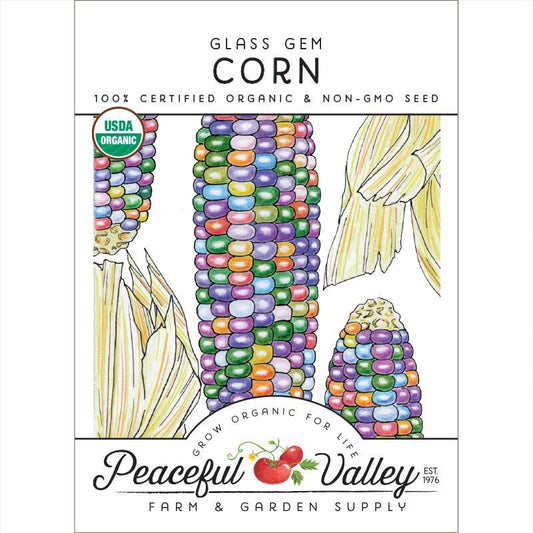
- Glass Gem Corn Seeds (Organic) – stunningly multicolored kernels that make a visual statement in any garden.
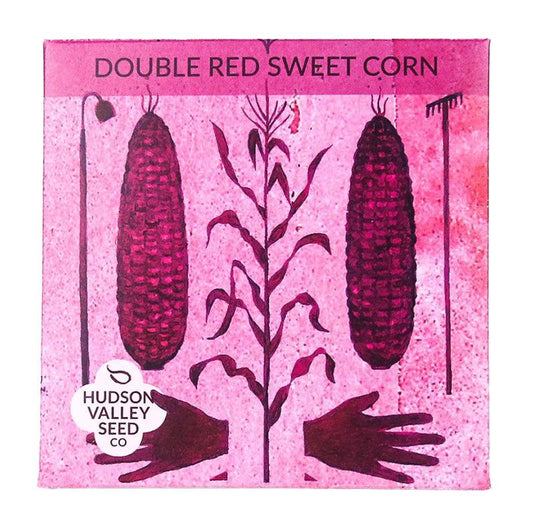
- Double Red Corn Art Pack (Organic) – ideal for gardeners interested in both beauty and flavor.
- Honey and Cream Corn Seeds – creamy, tender kernels for classic sweet corn dishes.
- Cherokee Long Ear Popcorn Corn (Organic) – a traditional heirloom popcorn variety for snacking and heritage gardens.
- Painted Mountain Corn Seeds (Organic) – hardy, drought-tolerant corn suited for high-altitude or challenging growing conditions.
- Gift Seed Tin – Three Sisters Collection – combines corn, beans, and squash for traditional companion planting and garden diversity.
These seeds are all non-GMO and many are certified organic, making them ideal for gardeners who want control over pollination, seed saving, and long-term sustainability. By selecting the right variety, you can enjoy flavorful corn while participating in the preservation of heirloom genetics.
Conclusion
So, is all corn GMO? No. While a significant percentage of commercial field corn in the United States is genetically modified, many varieties available to home gardeners are not. Most approved GMO foods, including corn, have been evaluated for safety, but concerns about their impact on beneficial insects and the development of herbicide resistance in weeds have led many gardeners to carefully consider their choices.
By understanding GMO corn and non-GMO corn, you can make informed decisions about GMO seed selection, pollination management, and long-term garden goals. Whether you prioritize productivity, seed saving, or organic certification, informed choices begin with understanding the science behind your corn seed.