Heirloom Corn: The Value of Heirloom Corn Varieties in Today’s Home Gardens
Heirloom corn is more than just a colorful addition to the garden. For many gardeners across the United States, it represents history, flavor, and self-reliance. As more people return to seed saving and traditional food crops, heirloom corn varieties are finding a new place in modern home gardens.
If you have ever asked, what is heirloom corn, the answer is simple. Heirloom corn refers to open-pollinated corn that has been passed down for generations. Unlike hybrid varieties, heirloom corn seed grows true to type. That means you can save corn heirloom seeds from your harvest and plant them again next year with reliable results.
Many heirloom varieties were originally selected and preserved by Native Americans long before commercial agriculture existed. These varieties were adapted to local climates and used for flour, meal, and whole-kernel dishes. Today, growing heirloom corn connects gardeners to that agricultural heritage while offering practical benefits.

What Makes Heirloom Corn Different?
Heirloom vs. Hybrid Varieties
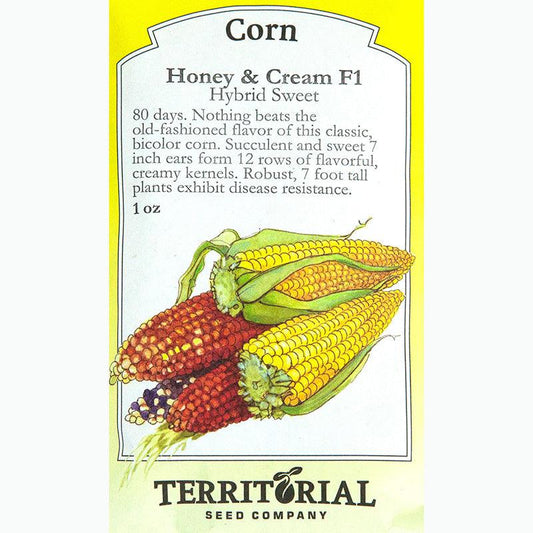
The biggest difference between heirloom corn and modern hybrid varieties is seed stability. Hybrid varieties are bred by crossing two parent lines to create uniform plants with specific traits. However, seed saved from hybrids does not reproduce consistently.
Heirloom seeds corn growers rely on are open-pollinated. When properly isolated from other types, heirloom corn seeds produce stable offspring year after year. This makes them ideal for gardeners interested in growing heirloom and saving seed.
If you are unsure which type of corn suits your needs, the guide on choosing the right corn varieties explains sweet, dent, popcorn, and dry types in practical terms.
Types of Heirloom Corn
Corn is grouped into seven major classifications: sweet corn, dent corn, flint corn, flour corns, popcorn, pod corn, and waxy corn. Heirloom varieties exist within most of these groups.
Heirloom Sweet Corn
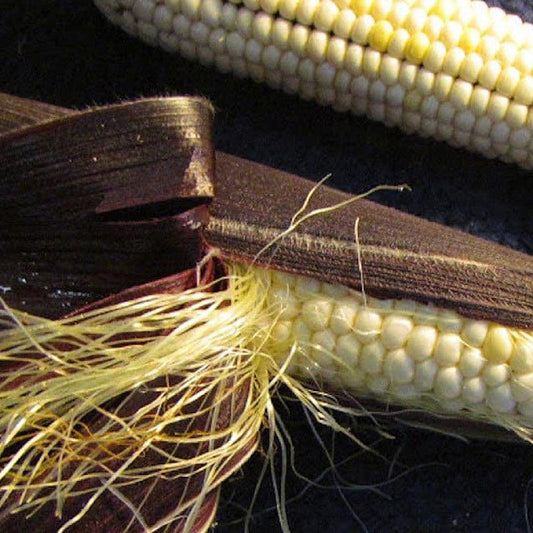
Heirloom sweet corn includes historic varieties like Golden Bantam and Country Gentleman. Golden Bantam, introduced in the early 1900s, helped popularize yellow corn in the United States. Before that, many sweet corn types had white kernels.
Heirloom sweet corn seeds are known for rich flavor, though they do not always hold sweetness as long as modern supersweet hybrids. Many gardeners consider them the best heirloom corn for fresh eating because of their traditional taste.
If you are new to planting corn, the beginner’s guide to growing corn offers simple, step-by-step instructions. For a more detailed overview, the full corn growing guide covers soil prep, spacing, and feeding.
Heirloom Dent Corn and Field Corn
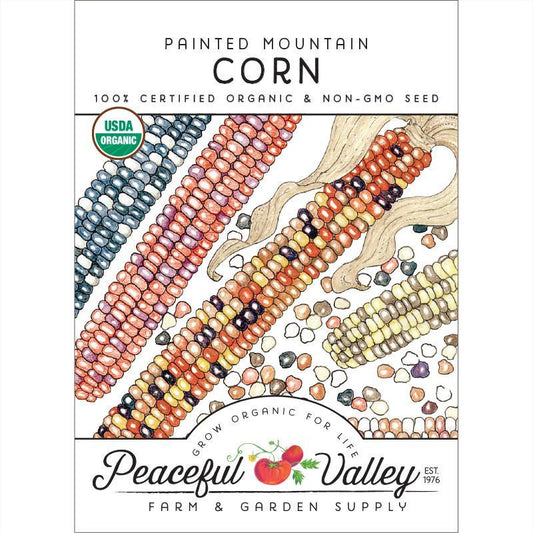
Heirloom dent corn is often grown as field corn for grinding into meal or flour. As it dries, the top of each kernel forms a small dent. Painted Mountain is a popular heirloom dent corn known for cold tolerance and early maturity, often ready in about 100 days.
Dent and flour corns are commonly used for heirloom corn grits, cornbread, and tortillas. After the ears dry fully on the stalk, the dried kernels can be shelled and stored for winter use. If you want to process your harvest, this guide on how to make hominy and grits explains traditional methods clearly.
Heirloom Popping Corn
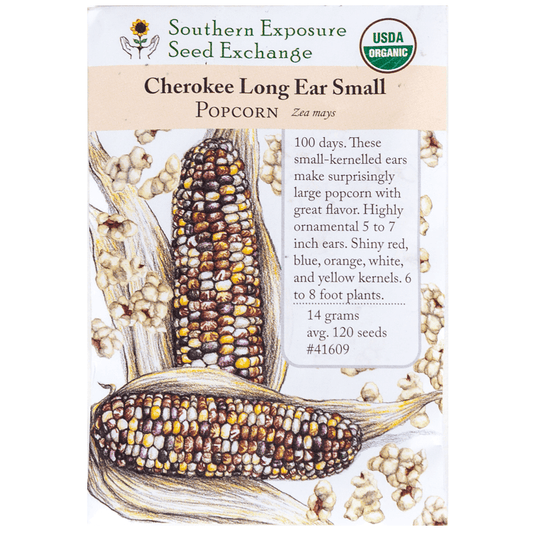
Heirloom popping corn is part of the flint type of corn. It has a hard outer shell that traps moisture, allowing the kernel to pop when heated. Cherokee Long Ear and Dakota Black are good examples of heirloom popping corn.
For details on harvest timing and drying, see the article on how to grow popcorn and the best way to pop it.

Why Grow Heirloom Corn in Home Gardens?
Flavor and Diversity
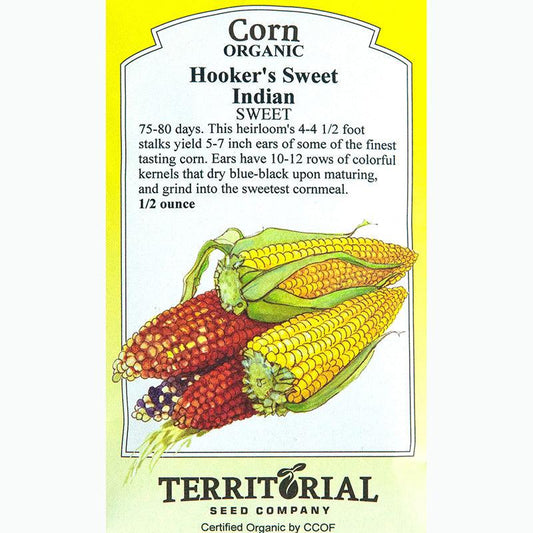
Heirloom corn brings variety to the table. Red corn and Indian corn types add color and depth to baked goods. Yellow corn, flour corns, and heirloom dent corn provide options beyond fresh eating. Each type of corn offers something different.
Adaptability
Many heirloom varieties were selected under real field conditions, not just for appearance. Growing heirloom corn allows gardeners to gradually adapt their seed to local soil and climate by saving seed from the strongest corn plants each year.
Cultural and Historical Value
Heirloom seeds preserve agricultural history. Native Americans developed sophisticated systems such as the Three Sisters method, where corn, beans, and squash are grown together. You can learn more about this traditional practice in the article on the Three Sisters companion planting method or watch the step-by-step video on planting corn, squash, and beans using the Three Sisters method.
For additional strategies, the guide to companion planting with corn explores compatible crops.
Growing Heirloom Corn Successfully
Growing heirloom corn is straightforward when you follow a few basic principles.
Plant corn seeds after soil temperatures reach at least 60°F. Sow seeds about 1 inch deep and space them 8 to 12 inches apart in rows 30 to 36 inches apart. Planting in blocks instead of single rows improves pollination.
If you have limited space, the article on growing corn in small spaces offers practical solutions.
Corn is a heavy feeder. Healthy soil rich in compost supports strong growth. To improve production, review tips for maximizing corn growth and yield.
Weed pressure can reduce harvest size, especially early in the season. This video on organic weed control methods for corn demonstrates effective strategies.
For a visual overview of planting and harvest, this video on growing organic sweet corn, dry corn, or popcorn walks through the entire process. You can also explore growing differences in this guide on how to grow sweet corn, popcorn, or dry corn in your garden.

Heirloom Corn Varieties to Try
If you are ready to explore heirloom corn varieties, these options are especially well suited for home gardens:
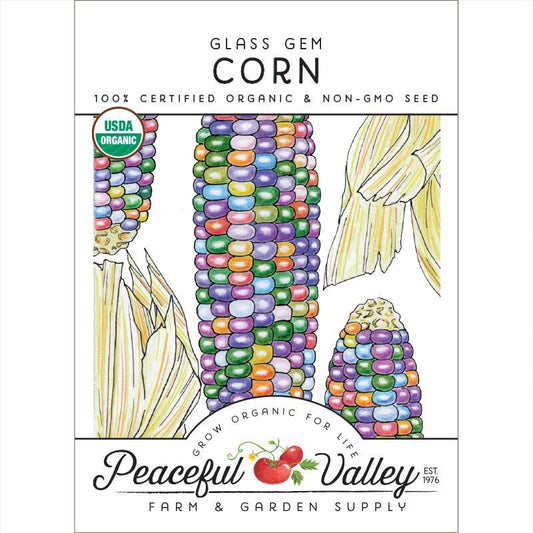
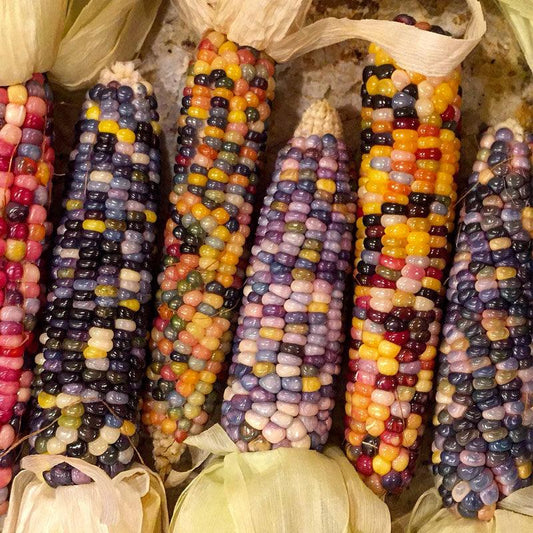
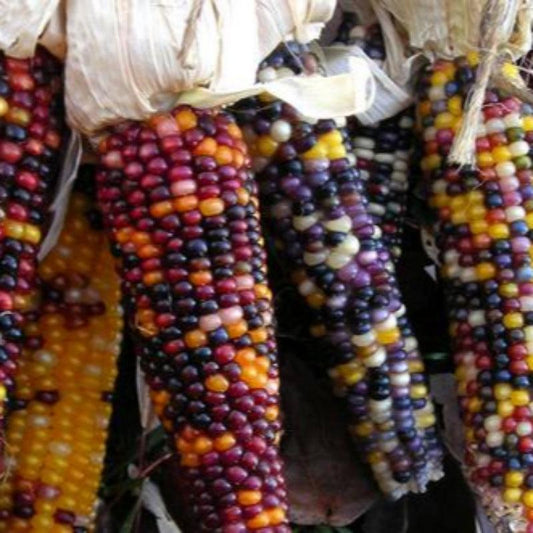
- Glass Gem Corn Seeds (Organic) – A flint type known for translucent, jewel-toned kernels. Often grown as Indian corn, it can also be ground after fully drying.
- Painted Mountain Corn Seeds (Organic) – An heirloom dent corn valued for cold tolerance and reliable maturity in shorter seasons. Available in seed packets and bulk sizes.
- Cherokee Long Ear Popcorn Corn (Organic) – A traditional heirloom popping corn with colorful ears and strong popping performance.
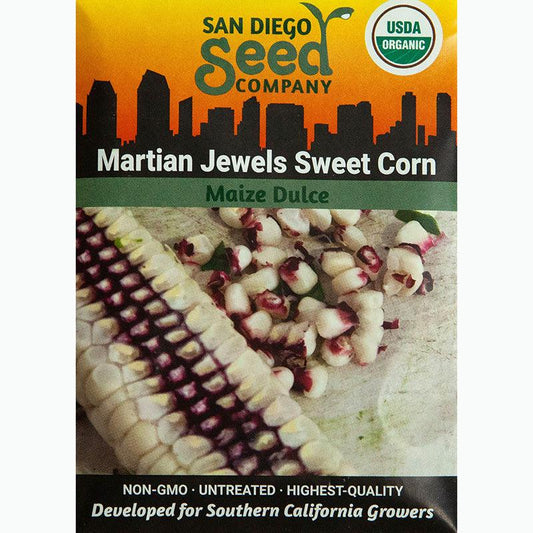
- Organic Martian Jewels Corn Seeds – A decorative flint type with vibrant color suitable for flour once dried.
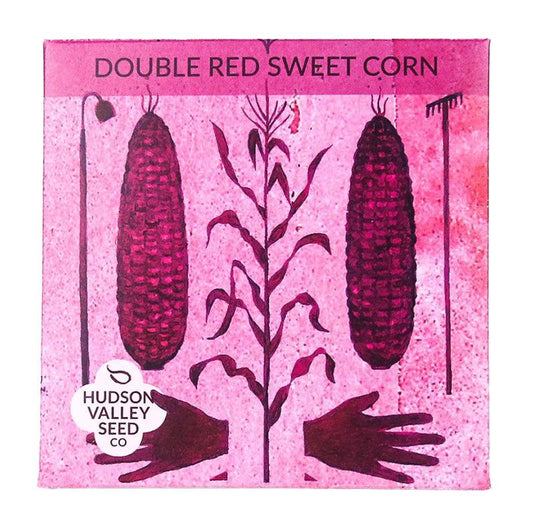
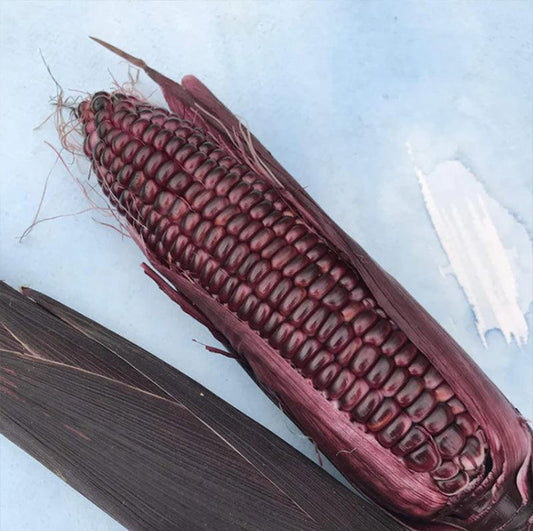
- Double Red Corn Art Pack (Organic) – A striking red corn ideal for ornamental use and specialty milling.
You can browse these and many other corn seeds heirloom and modern types in the full corn seeds collection.
Conclusion
Heirloom corn offers more than a harvest. It preserves genetic diversity, supports seed saving, and brings traditional flavors back into home gardens. Whether you grow heirloom sweet corn for fresh eating, heirloom dent corn for grinding, or heirloom popping corn for snacks, you are continuing a long agricultural tradition.
By choosing heirloom seeds and learning proper planting methods, gardeners strengthen both their gardens and their connection to the past.