Pear trees commonly grow upright and can respond to heavy pruning with vigorous watersprouts. The best approach is usually deliberate and conservative: establish a sound framework, improve light with selective thinning, and preserve the fruiting wood appropriate to the variety.
Use this guide for pear-specific choices. For general cut placement, tool safety, and renovation principles, see How to Prune Fruit Trees. To compare Asian and European pears, visit the pear variety guide.

When to prune a pear tree
Do most structural pruning during dormancy, after the coldest local conditions have passed but before strong spring growth. A small amount of summer pruning can help manage vigorous upright shoots, but extensive summer work removes leaf area and may expose fruit or branches to sun injury. Disease risk and weather can change the best timing, so consult local extension guidance when fire blight or other regional concerns are present.
Know how your pear bears fruit
Many pears produce on long-lived spurs, while some cultivars carry a meaningful share of fruit near shoot tips. Before shortening branches, confirm the variety’s bearing habit. Repeatedly heading a tip-bearing cultivar can remove productive buds; indiscriminate thinning can remove valuable spur systems.
Pruning young pear trees
A central-leader or modified central-leader framework is common for pears, but the nursery tree and intended system should guide the first cuts.
- Select a healthy leader.
- Choose well-spaced scaffold branches with sound attachment angles.
- Remove direct competitors to the leader.
- Use ties or limb spreaders when appropriate to guide young flexible branches rather than relying only on cuts.
- Keep pruning limited so the young tree retains enough leaf area to establish.

How to prune a mature pear tree
1. Remove dead, broken, and rubbing branches
Start with clear defects. When disease is suspected, follow current local guidance for cut location, tool sanitation, and disposal rather than applying one universal rule.
2. Remove rootstock suckers and selected watersprouts
Remove growth arising below the graft union. Thin watersprouts that crowd the canopy, but retain a well-positioned shoot when it can replace an aging branch.
3. Thin for light without stripping the canopy
Use selective thinning cuts on crowded, inward-growing, or duplicate branches. Keep productive spurs and well-positioned younger wood distributed through the canopy.
4. Manage height with reduction cuts
Cut an overlong leader or limb back to a suitable lateral branch rather than topping it at an arbitrary point. Large height reductions are best spread across multiple seasons.
5. Renew gradually
On an older tree, remove only selected declining or poorly placed limbs each year. Heavy pruning often produces more upright vegetative growth and delays the return to balanced fruiting.

Asian and European pear considerations
Asian pears are often thinned and trained for good light distribution and strong support because the crop can be heavy. European pears may develop durable spur systems and frequently have a naturally upright habit. These are tendencies, not substitutes for the cultivar, rootstock, age, and training information on the current product page.
Tools for pear pruning
- Hand pruners for small shoots
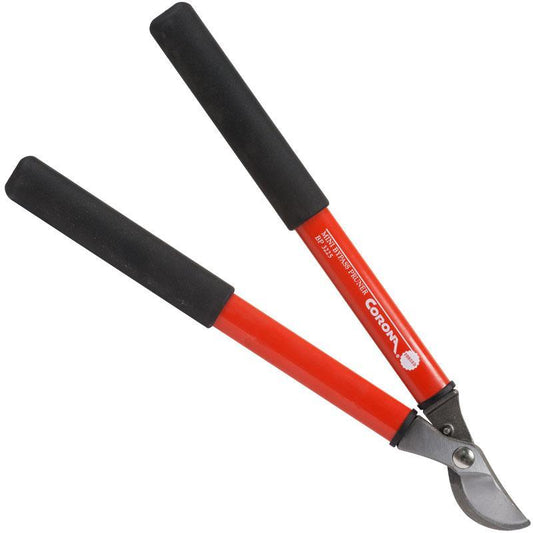
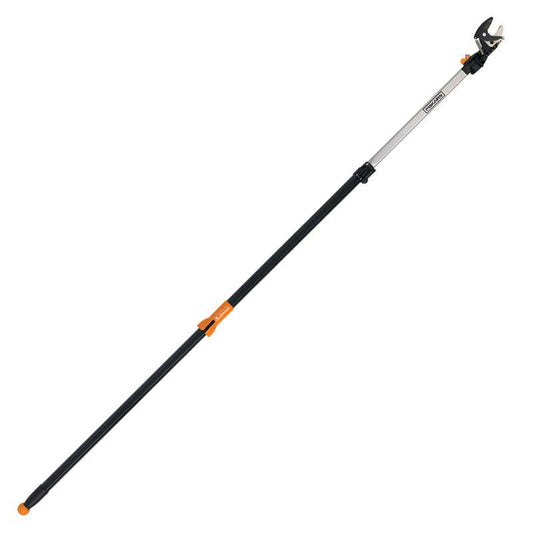
- Loppers for branches within their rated capacity
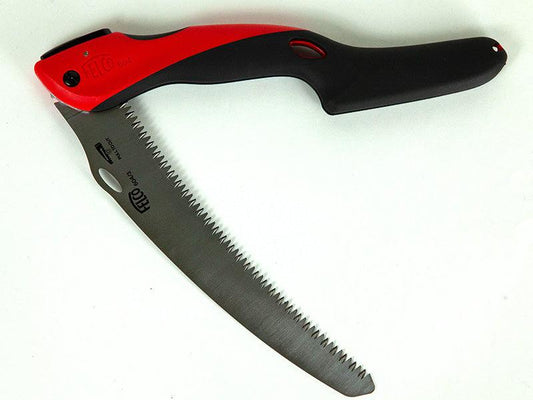
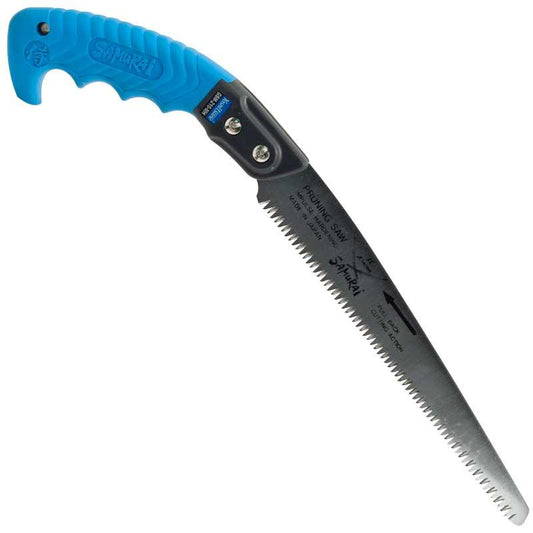
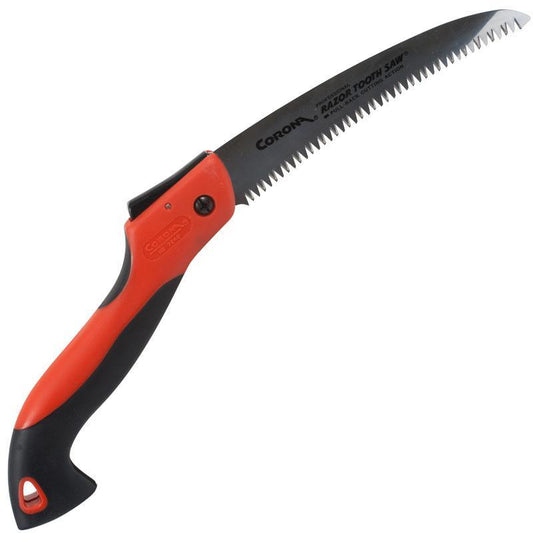
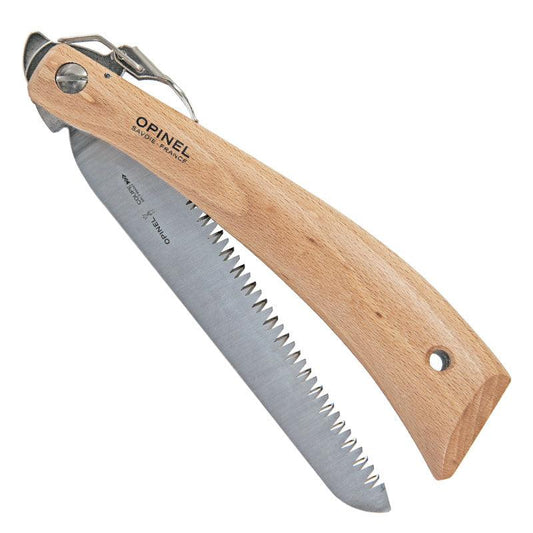
- A pruning saw for larger limbs
- Gloves and eye protection
- Limb spreaders or soft ties for young-tree training
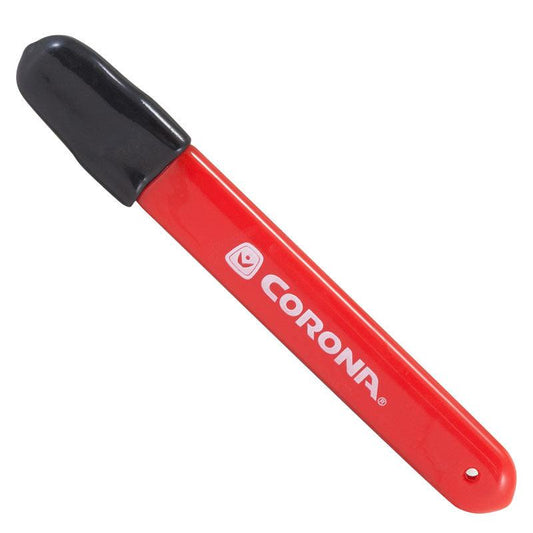
Keep blades sharp. Support larger limbs and use a multi-step cut to prevent bark tearing.
Common pear-pruning mistakes
- Removing every upright shoot without considering replacement wood.
- Heading branches before identifying spur-bearing or tip-bearing growth.
- Opening the canopy so aggressively that vigorous watersprouts replace the removed wood.
- Leaving multiple leaders to compete unintentionally.
- Topping the tree instead of reducing height to suitable laterals.
- Trying to renovate a mature tree in one season.

Continue with the visual guide
Watch How to Prune Apple Trees and Pear Trees for a central-leader demonstration. Then browse the current pear tree collection and check each product page for variety-specific characteristics.