How to Store Rutabaga: A Complete Guide to Harvesting, Preparing, and Storing Rutabagas
Rutabagas are one of the easiest root crops to store after harvest. When picked at the right time and kept under proper conditions, they can stay fresh for weeks in the refrigerator or several months in a cool storage area.
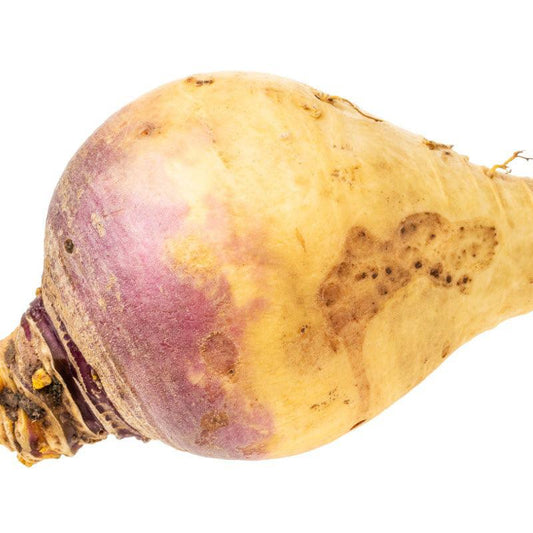
If you are wondering how do you know when to harvest rutabaga, the key signs include firm roots that have reached a mature size, usually around 3 to 5 inches in diameter, with healthy leaves and no signs of damage or decay. Harvesting at the right stage helps ensure the best flavor, texture, and storage life.
Whether you are growing rutabagas for the first time or have harvested them for years, knowing how to properly store rutabaga helps protect your hard work. This guide explains when to harvest, how to prepare the roots for storage, and the best ways to keep them fresh through the winter months.

When to Harvest Rutabagas
The first step in successful rutabaga storage is harvesting the roots at the right time.
Most rutabaga varieties mature in about 90 to 100 days. The rutabaga harvest season usually begins in late fall, often after one or two light frosts. Cooler temperatures can improve the flavor, but roots should be harvested before the ground freezes solid.
If you are wondering how to know when to harvest rutabaga, check the size and firmness of the root. Most are ready when they reach about 3 to 5 inches in diameter, with a well-developed shoulder and firm yellow flesh inside. Gently brushing away soil around the top of the root can also help you check its maturity.
If you are planning ahead, when to plant rutabagas for fall harvest depends on your climate and first frost date. In many regions, seeds are sown in midsummer so the roots mature during cool autumn weather. Rutabagas grow best in full sun, fertile, well-drained soil, with seeds planted about ¼ to ½ inch deep according to the seed packet instructions.
How to Harvest Rutabaga
Learning how to harvest rutabaga carefully helps prevent bruises that shorten storage life.
If you're wondering how to know when rutabaga is ready to harvest, check that the root has reached its expected size and feels firm before digging. This simple check helps you harvest at peak quality.
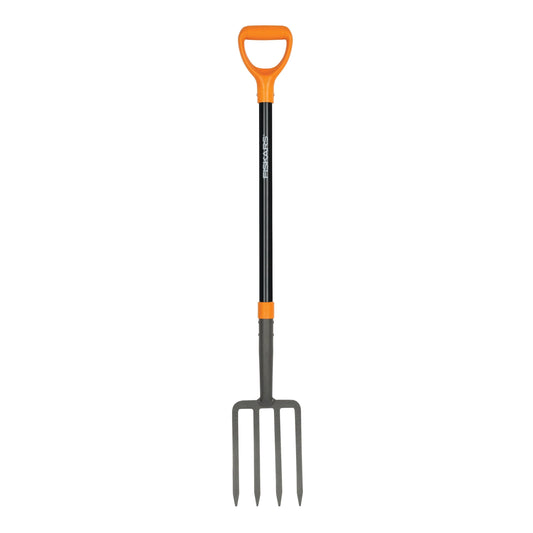
- Use a garden fork to loosen the soil before lifting the roots. Pull gently from the base of the leaves rather than forcing the root from compact soil.
- Trim the leafy tops to about one inch above the crown. Do not wash the roots if you plan to store them for several months. Simply brush away loose soil.
These simple steps are the foundation of harvesting and storing rutabagas and explain how to harvest and store rutabagas successfully.

How to Store Rutabaga
The best way to store a rutabaga depends on how soon you plan to use it.
For short-term storage, place clean, dry roots inside a plastic bag with a few small holes for airflow. Then refrigerate them in the vegetable crisper. If you have wondered, do you store rutabagas in the refrigerator, the answer is yes. Cool temperatures help slow moisture loss.
For the best rutabaga storage conditions, keep the roots close to 32°F with 90 to 95% relative humidity. A root cellar is ideal for storing rutabaga long term because it stays cool and humid without freezing.
Many gardeners ask how do you store rutabagas or can you store rutabaga for several months. The key is to choose only healthy, undamaged roots and check them regularly. Remove any that become soft or show signs of decay.
Storing Cut Rutabaga
For cut rutabaga storage, wrap the cut surface tightly or place pieces in an airtight container before refrigerating. Use cut rutabaga within several days for the best texture and flavor.
Grow Your Own Rutabagas
If you enjoy fresh storage vegetables, browse Grow Organic's collection of vegetable seeds.
- Organic Nadmorska Rutabaga Seeds produce large roots with sweet yellow flesh and excellent storage quality. This heirloom variety matures in about 90 to 100 days and performs well in cool weather.
You can also learn more about related crops in Grow Organic's guide to turnip varieties, colors, and growing differences. For seasonal planting tips, read Three Reasons to Add Cool-Season Vegetables to Your Garden, and improve next year's harvest with the Quick Guide to Vegetable Families for Crop Rotation.
Conclusion
Rutabagas require only a little extra care after harvest, but proper storage makes a big difference. Harvest mature roots before the soil freezes, trim the tops, and store only healthy roots. With the right conditions, you can enjoy fresh rutabagas long after the growing season ends.
FAQs About Harvesting and Storing Rutabaga
How to store rutabaga after harvesting?
How to preserve rutabagas for winter?
What is the rutabaga harvest time?
How to tell when rutabagas are ready to harvest?
How long do rutabagas last after harvesting?
Plan a root-vegetable planting
Our root vegetable seed guide explains direct sowing, loose seedbeds, thinning, steady moisture, and harvest timing. Browse the vegetable seed collection to choose root crops for your season and space.