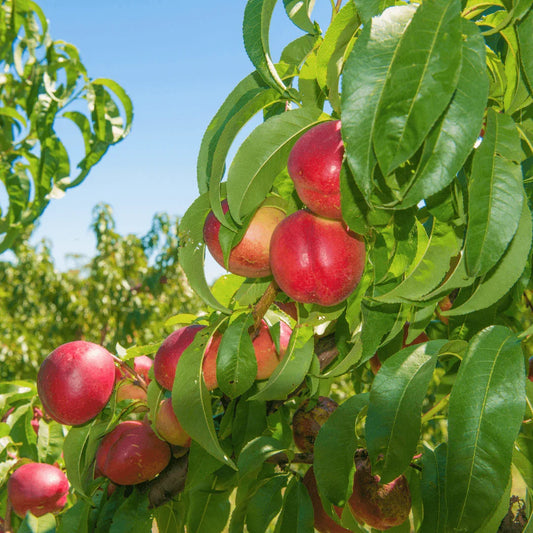
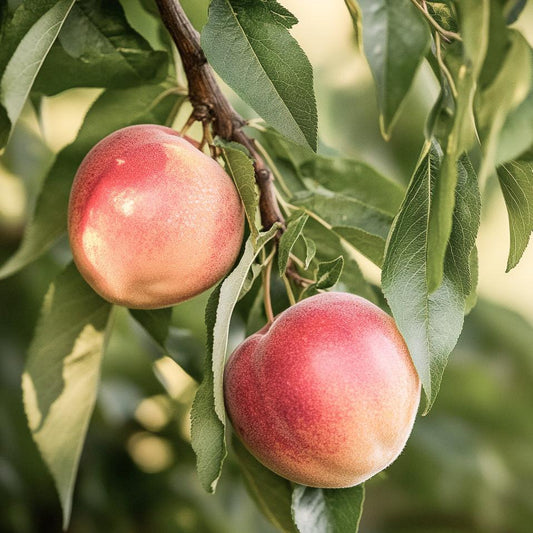
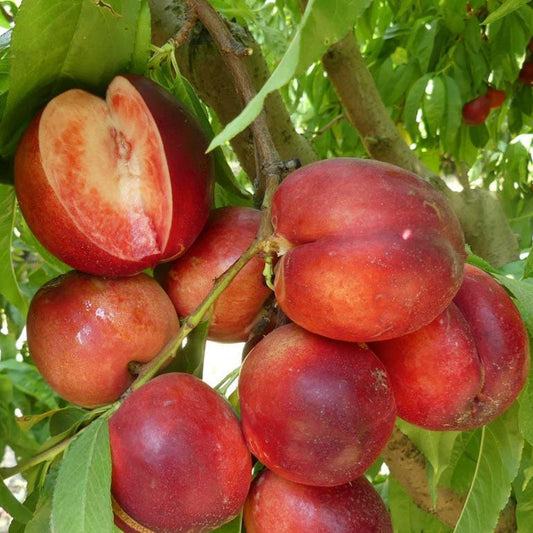
Nectarines are peaches without fuzz, so “nectarine leaf curl” is usually the same disease caused by Taphrina deformans. This page focuses on recognizing it on nectarines and separating it from other causes of curled leaves. The complete disease authority is Peach Leaf Curl: Symptoms, Lifecycle and Prevention.

Typical leaf-curl pattern
- Symptoms begin on expanding young leaves.
- Leaves become thick, puckered, and distorted.
- Color may shift through red, pink, yellow, or pale green.
- Severe infections can lead to premature leaf drop.
Problems that can look similar
| Pattern | Possible cause |
|---|---|
| Sticky leaves, ants, clustered insects on shoot tips | Aphids or other honeydew-producing insects |
| Rolled leaves without thickened red tissue | Heat, water stress, insects, or physical injury |
| Spots, shot holes, or lesions | Other fungal or bacterial diseases |
| General yellowing or wilting | Root-zone, irrigation, salinity, or nutrient problems |
Why spring spraying is often too late
Infection occurs during susceptible bud development under favorable cool, wet conditions. By the time leaves are visibly distorted, the infection has already occurred. Prevention therefore targets the dormant or pre-bud-opening period allowed by the selected label.
Product and label rules
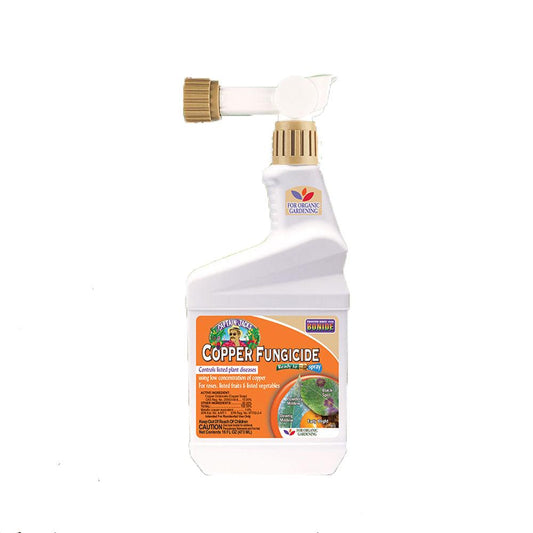
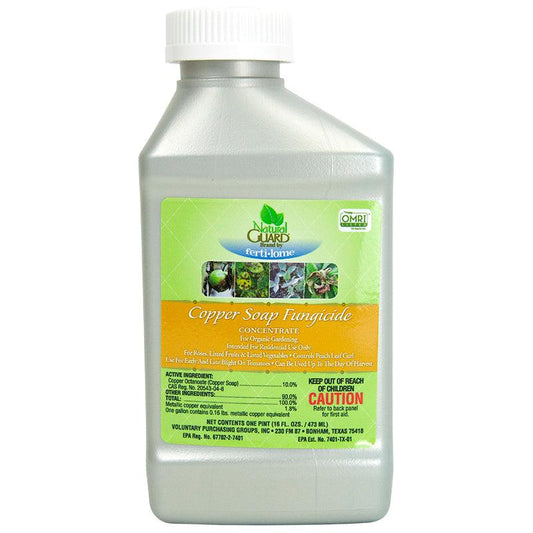
Use only products labeled for peach leaf curl on nectarines or peaches as applicable. Copper products are not interchangeable, and formulation, metallic copper equivalent, rate, timing, temperature restrictions, and protective equipment vary. Do not combine products unless both labels permit the mixture.

After symptoms appear
Support the tree with appropriate irrigation, avoid excessive nitrogen, and reduce crop load when severe defoliation limits leaf area. Record the problem so preventive timing can be planned for the next dormant season.
Choosing and caring for nectarines
Browse current nectarine trees and use product pages plus Tree Characteristics for current variety information. Continue with Nectarine Tree Care.