What the Pepper Scoville Chart Really Measures (And Why It’s Often Misleading for Gardeners)
If you grow peppers, you’ve probably looked at a pepper Scoville chart and wondered how accurate it really is. Charts rank peppers by heat, from mild bell peppers to extreme varieties like the Carolina Reaper. While the Scoville scale is useful, it doesn’t always tell the full story for gardeners who care about flavor, growing conditions, and how hot a pepper actually tastes in the kitchen.
Let’s break down what the Scoville scale measures, how it’s calculated, and why it can be misleading when choosing peppers to grow.

What Is the Scoville Scale?
The Scoville scale was created in 1912 by pharmacist Wilbur Scoville. It measures pepper heat based on the amount of capsaicin, the compound that causes burning sensations.
On a pepper Scoville scale, heat is measured in Scoville Heat Units (SHU). The higher the number, the hotter the pepper. A pepper on the Scoville scale might range from zero SHU for bell peppers to over two million SHU for the Carolina Reaper, often listed as the hottest pepper in the world.
Early tests involved diluting pepper extract in sugar water until tasters could no longer detect heat. The more dilution needed, the higher the Scoville rating. This method worked, but it depended on human taste, which made results inconsistent and harder to detect for subtle differences.
How Heat Is Measured Today
Modern testing uses high performance liquid chromatography, a lab method that precisely measures capsaicin levels. These results are then converted into SHU values, which appear on today’s pepper Scoville unit chart or scoville heat units pepper chart.
This method is more accurate than taste testing, but it still doesn’t capture everything gardeners experience. A chili pepper Scoville scale might show a jalapeño at 2,500–8,000 SHU, but one jalapeño can feel much hotter than another grown right next to it.

Why the Scoville Chart Can Be Misleading
Growing Conditions Matter
A hot pepper Scoville chart shows averages, not guarantees. Soil quality, sunlight, temperature, and watering all affect pepper heat. Stress from heat or drought can increase capsaicin levels, while cooler conditions often produce milder peppers.
That means peppers ranked the same on a pepper chart Scoville may taste very different in your garden.
Flavor Is Not Measured
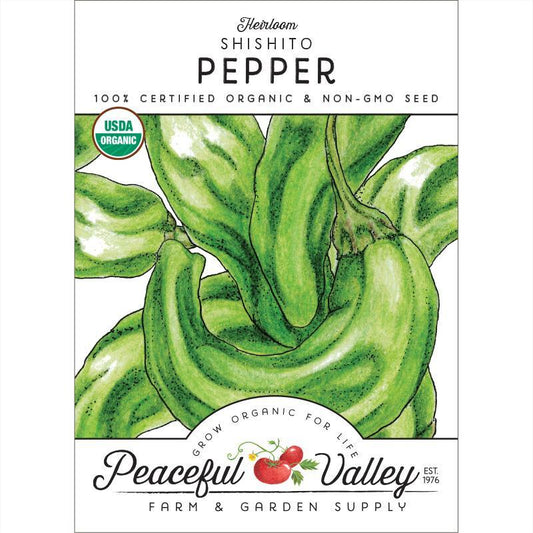
The scoville pepper chart measures heat only. It does not measure flavor, sweetness, or aroma. Many gardeners grow peppers like Shishito, Padron, or Sweet Marconi because they want taste, not just heat level.
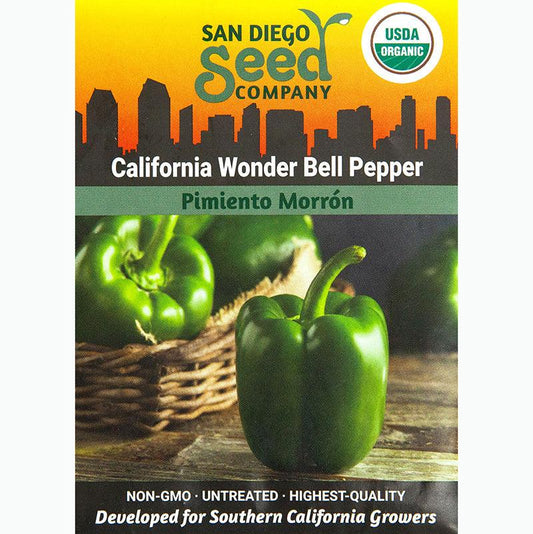
For example, bell peppers sit at zero on the peppers Scoville scale, yet varieties like California Wonder or Purple Beauty offer rich, sweet flavor. The chart ignores that completely.
Heat Feels Different When You Eat It
The way heat hits your mouth matters. Some peppers burn fast and fade quickly. Others, like the ghost pepper, burn slowly and last longer, making them feel hotter even if the SHU number is similar.
That’s why hot sauces made from different peppers with similar Scoville ratings can feel very different.

Understanding Pepper Rankings
On most scoville scale hot pepper charts, peppers are ranked from mild to extreme:
- Bell peppers: 0 SHU
- Shishito and Padron: mild, sometimes spicy
- Jalapeño and Anaheim: moderate heat
- Cayenne and Thai peppers: hot
- Habanero, ghost pepper, Carolina Reaper: very hot
These peppers ranked lists help compare general heat, but they don’t replace experience. Gardeners often find that the same pepper varieties vary year to year.
Choosing Peppers Beyond the Scoville Scale
Instead of relying only on a hot chili pepper Scoville scale, consider how you plan to use your peppers.
Ask yourself:
- Do I want heat or flavor?
- Will I eat them fresh or cooked?
- Am I growing for sauces, roasting, or stuffing?
For home gardeners, exploring different types is often more rewarding than chasing high SHU numbers. You can browse a wide range of options in the pepper seeds collection, including both sweet pepper seeds and hot pepper seeds.
Growing tips also matter. Healthy plants with balanced nutrition often produce better-tasting peppers. This guide on growing peppers successfully explains how soil and feeding affect heat and yield.
What Gardeners Should Take Away
The pepper scale Scoville units are a helpful reference, but they are not a promise. Heat level changes with growing conditions, harvest timing, and even how ripe the pepper is.
Think of the pepper Scoville rating chart as a starting point, not a final answer. Taste, texture, and kitchen use matter just as much as numbers.
Conclusion
The Scoville scale was designed to measure the heat of chili peppers, not to guide gardeners on flavor or growing success. While charts help compare peppers at a glance, they often miss the real-world experience of growing and eating them.
For gardeners, the best approach is to combine Scoville information with variety descriptions, growing advice, and personal taste preferences. That’s how you find peppers you actually enjoy growing and eating.