Fig Tree Propagation Made Easy: Air-Layering, Water Propagation, and Root Cuttings
Fig trees are one of the most rewarding fruit trees you can grow at home. They’re fast-growing, productive, forgiving of mistakes, and surprisingly easy to multiply once you understand the basics.
Whether you want to save an heirloom variety from a beloved family tree, expand your backyard orchard on a budget, or simply enjoy the satisfaction of growing new fig plants from branches, learning fig tree cuttings propagation gives you the skills to create strong, thriving plants with very little equipment.
In this step by step guide, you’ll learn how to propagate fig plants using the three methods gardeners trust most:
- Propagating figs from cuttings in soil
- Rooting fig cuttings in water
- Air layering fig tree branches
Each of these methods has its own advantages depending on your goals, your climate, and the age of the mother tree. The good news? All three are highly successful, beginner-friendly, and inexpensive.
If you're excited about growing more delicious varieties, you can always feel free to browse our full fig tree collection for new and unique options.

Why Propagate Fig Trees?
Fig trees naturally lend themselves to propagation. Unlike many other fruit trees, figs do not require grafting to produce fruit. Because of their growth habits, figs readily form roots from hardwood cuttings, semi-hardwood branches, or even by air layering figs on mature limbs.
Learning how to propagate figs offers several important benefits:
1. Preserve Favorite Varieties
If you have a fig tree that produces excellent fruit, you can clone it—ensuring your new tree has identical genetics.
2. Save Money
Mature fig trees can be expensive. Propagating your own plants is practically free.
3. Rejuvenate an Aging Fig Tree
Older figs often have branches perfect for air layering or cutting.
4. Expand Your Orchard
You can quickly fill your garden or orchard with multiple productive trees without buying dozens of plants.
To learn more about care and planting, explore our full Figs Growing Guide or the detailed article on how to grow figs.

How to Propagate Fig Plants: Three Reliable Methods
Below are the three most commonly used methods for fig tree propagation from cuttings, water roots, and air-layering. Each method is explained in a clear, detailed way so you can follow along with confidence.
1. Propagating Fig Trees From Cuttings (Soil Method)
Propagating fig cuttings in soil is the classic way gardeners multiply fig trees. Wood from figs is naturally eager to root, and the process requires very little beyond a pair of pruning shears, containers, and a well-draining medium.
What You’ll Need
- Healthy fig branches for fig cuttings
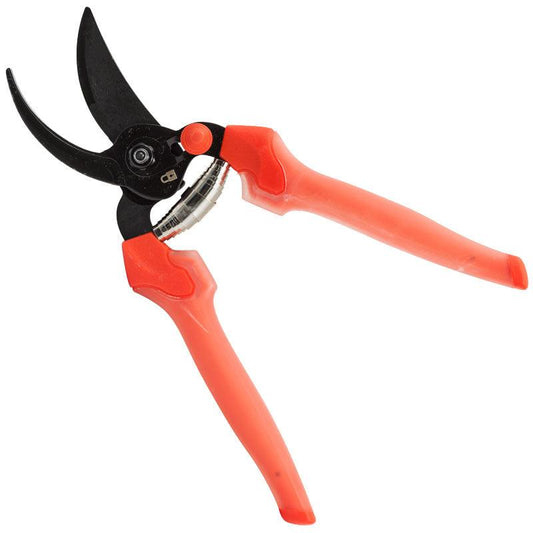
- Clean, sharp pruning shears
- Optional: a quality rooting hormone
- Containers or pots
- Peat moss and perlite mix
- A plastic bag to retain humidity
- Labels for each variety
Choosing the Best Fig Cuttings
When learning how to propagate fig tree, quality cuttings are essential. Look for:
- Dormant hardwood cuttings (late winter is ideal)
- Pieces 6–10 inches long
- Pencil-thick sections
- A healthy bud at the top of the cutting
- No disease, mold, or insect signs
The bottom of the cutting should be cut directly below a node because this is where the earliest root formation occurs.
Preparing Your Cuttings
Before planting:
- Trim the bottom at a 45-degree angle.
- Keep the top of the cutting flat or straight so you always know which end is up.
- Dip the base into rooting hormone for faster and stronger root development.
Planting the Cuttings
To encourage the cuttings to root quickly, fill small pots with a 50/50 blend of peat moss and perlite. This mixture stays moist but airy—perfect for young roots.
- Insert cuttings 2–3 inches deep.
- Water lightly to settle the soil.
- Slip a plastic bag over the pot to create a mini greenhouse.
- Place the pot in bright shade—not direct sun.
Within a few weeks, the cuttings will begin to form roots and push new growth at the top. Once the roots fill the container, move the plant into larger pots or directly into the garden.
For planting instructions, see our full guide: Guide to Planting and Care for Fig Trees

2. Rooting Fig Cuttings in Water (Water Propagation Method)
If you like watching the rooting process in real time, learning how to root a fig tree cutting in water is both fun and revealing. This method is also great for kids, classrooms, or gardeners who want a simple, low-mess approach.
How to Root Fig Cuttings in Water
- Fill a glass jar with 1–2 inches of water.
- Place the cutting inside so only the bottom of the cutting is submerged.
- Put the jar near a bright window (indirect sunlight).
- Change the water weekly to prevent bacteria.
Within a few weeks:
- Small white dots appear along the submerged nodes.
- These dots are the earliest roots developing.
- Soon, roots stretch several inches long.
At this point, your fig cuttings in water are ready to be transferred to soil. Make sure to transplant gently so the new root system stays intact.
For more fruit tree tips, enjoy the video on planting a potted fruit tree.

3. Air Layering Fig Tree Branches
If you want extremely reliable results—or you’re working with a mature or slow-growing fig tree—try air layering fig tree branches. This method lets the branch form roots while still attached to the mother plant. That means it keeps receiving nutrients, which dramatically increases your success rate.
Why Air Layering Figs Works So Well
Because the branch stays connected to the tree, it continues receiving water and nutrients. This prevents stress and allows roots to develop faster than with cuttings alone.
How to Air Layer a Fig Tree
- Choose a healthy, flexible branch about the thickness of your thumb.
- Use pruning shears to remove a ring of bark about 1 inch wide.
- Dust the exposed wood with rooting hormone.
- Wrap moist peat moss around the wound.
- Cover it with clear plastic or a plastic bag.
- Seal both ends tightly to retain moisture.
Check the moss every few weeks. It should stay damp, never dry. In 6–12 weeks, you’ll see a cluster of roots growing inside the wrap. Once the roots look strong, cut below the root ball and plant the new tree.
This method is especially ideal for:
- Rare varieties
- Old, declining trees
- Trees that don’t root well from cuttings
Extra Tips for Achieving Even Better Results
Successful fig tree propagation often comes down to small details. These extra tips can boost your success rate no matter which method you choose.
Tip 1: Use the Right Soil Mix
A light mix of peat moss and perlite encourages excellent airflow and prevents rot.
Tip 2: Keep Soil Moist but Never Soggy
Roots need oxygen. Too much water suffocates them.
Tip 3: Use Bottom Heat
Placing pots on a seedling heat mat speeds up rooting by keeping soil warm.
Tip 4: Label Everything
When propagating figs from cuttings, varieties can look identical when young.
Tip 5: Protect Young Trees
Young figs can be targets for deer and other wildlife. This guide can help: Deer-Resistant Vegetables and Berries
Tip 6: Harden Off Your Rooted Cuttings
Move newly rooted plants outdoors slowly over 7–10 days so they adjust to sun and wind.
Tip 7: Choose the Right Location for Growing Fig Outdoors
Full sun and well-draining soil create the perfect conditions for healthy, vigorous trees.
Conclusion
Learning how to propagate fig tree is an exciting skill that lets you grow more fruit trees for very little effort. Whether you choose rooting fig tree cuttings, fig cuttings in water, or air layering figs, all three methods are effective and rewarding even for first-time gardeners.
By understanding how the top of the cutting, the bottom of the cutting, and moisture levels affect root development, you can confidently create strong plants that will thrive for years. With practice, you'll be able to clone your favorite varieties, expand your orchard, and share new trees with friends and family.
To explore more varieties or expand your collection, browse the full fig tree collection.