Diagnose Sacramento-Sierra spring damage by separating aphids and earwigs from frost, wind, saturated roots and early disease. Inspect tender growth and leaf undersides, map symptoms to cold pockets, wind edges and wet soil, and monitor the same plants. Correct the site failure, protect natural enemies and escalate only when fresh damage crosses a crop-specific threshold.
Match the diagnosis to the garden's setting. Sacramento Valley beds combine tender growth, heavy clay and fast-rising heat; Delta gardens can be cooler and windier; lower foothills add slopes and defensible-space needs; higher foothills may still show thaw and frost injury.
Begin with the regional spring plan to identify stressed or vulnerable areas. Use the irrigation guide to correct saturation or delivery failures, and the transplant guide to check hardening. Then identify the cause, set a threshold and choose a response that protects beneficial organisms.
Pest-versus-stress diagnostic table
| Evidence | Possible cause | Confirm | First response |
|---|---|---|---|
| Soft-bodied clusters, curled tips, honeydew/ants | Aphids | Open tips; inspect natural enemies | Monitor, wash/prune limited hotspots where suitable |
| Irregular holes or clipped seedlings; earwigs in shelter | Earwig feeding | Inspect at night and compare damage | Reduce concentrated shelter; trap/monitor as appropriate |
| Ragged holes and slime | Slugs/snails | Look for slime and animals in moist periods | Correct excess moisture, hand-remove, manage shelter |
| Blackened or water-soaked tender tissue after cold | Frost injury | Map to cold pockets and event timing | Wait for injury expression; protect roots |
| One-sided torn/scorched leaves | Delta wind or sun exposure | Map exposure; inspect anchors and roots | Correct protection/hardening |
| Yellowing/wilt in wet clay | Saturation/root problem | Check workability, outlet and roots | Correct water movement |
| Spots/collapse after cold wet period | Disease or weather injury | Identify host, signs and pattern | Target airflow/sanitation to diagnosis |
Four spring IPM tracks
Valley floor: Tender growth can host aphids while wet clay and rapid heat cause stress. Low frost pockets and fog can confuse diagnosis. Correct drainage first.
Delta-influenced: Wind abrasion and cooler exposure can mimic feeding. Anchor covers and inspect windward patterns. Avoid trapping humidity.
Lower foothills: Earwigs, slugs, rodents and tender growth interact with slope cover and defensible space. Preserve erosion protection while removing confirmed shelter selectively.
Higher foothills: Late frost, thaw and snow can cause injury. Protected spaces may harbor aphids. Do not scout on unsafe slopes or beneath loaded branches.
Seven-rung spring IPM ladder
- Make access and structures safe.
- Correct water, hardening, airflow and cover failures.
- Identify organism, sign and fresh damage.
- Monitor consistent leaves/plants and natural enemies.
- Set a threshold by crop stage and value.
- Use targeted cultural, physical or biological control.
- If justified, use a labeled material and evaluate; stop below threshold.
This follows the IPM framework. It does not promise a pest-free crop.
Manage aphids without disrupting every predator
Inspect curled tips and leaf undersides. Ants may tend honeydew producers, but one ant is not proof of unacceptable aphids. Look for lady beetles, lacewings, syrphid larvae, parasitoid mummies and other natural enemies.
The aphid guide covers technique. A firm water stream or limited pruning can work on sturdy plants where water/disease risks fit. Oils and soaps can injure stressed foliage or conflict with temperatures; follow labels.
Keep earwigs and slugs evidence-based
Earwigs can feed on seedlings but also consume other organisms. Confirm fresh damage and night activity. Reduce excessive shelter near vulnerable starts without stripping slopes bare.
For slugs, correct ponding, inspect damp shelters and use hand removal or monitoring where practical. Any bait must follow its label and account for pets, wildlife, children and nontargets.
Wait before calling frost injury disease
Frost injury often aligns with cold-air drainage, exposed tissue and the event. Let symptoms develop enough for comparison before pruning broadly. Protection can reduce exposure but cannot guarantee prevention. The low-tunnel guide covers technique.
If spots, cankers or collapse continue beyond the event pattern, use an authoritative diagnostic resource. Dormant or early-season sprays require a confirmed host, target, susceptible stage, weather, current label and California registration.
Support beneficial organisms with accountability
Flowering cover and habitat can support predators and parasitoids. The beneficial-flower guide offers ideas, but bloom, water, fire placement and local suitability matter. Habitat can also shelter pests.
Scout edges, retain safe cover and avoid unsupported native-status claims. Do not describe products or introduced beneficials as universally safe.
Set a threshold for the plant's current use
A newly transplanted seedling, a flowering fruit tree and a cover crop do not justify the same action point. Define what would trigger response: increasing damaged tips, loss of a certain number of starts, aphids spreading to blossoms, earwig feeding that exceeds replacement capacity, or disease signs moving beyond frost-injured tissue.
Use the same number and position of leaves or plants at each inspection. Separate old holes and scars from fresh damage. Note natural enemies and plant recovery. Weather changes detection, so compare at a similar safe time and after relevant events. Stop intervening when fresh damage falls below the threshold.
Audit protected starts before release
- Inspect leaf undersides, tips, stems and media surface.
- Check minimum/maximum temperature and condensation.
- Verify airflow and rooting-media moisture.
- Look for aphids, mites, slugs, fungus gnats, disease and weeds.
- Inspect trays, benches and fabric edges for earwig or rodent shelter.
- Quarantine or manage a problem batch before it enters the field.
A yellow sticky card can help detect some flying adults, but it does not replace plant inspection or prove an action threshold. Clean reusable trays according to material and sanitation guidance. Do not apply a pesticide to a propagation space unless the label permits that site and crop.
Diagnose early disease without a spray calendar
Cold wet soil, prolonged leaf wetness, crowded covers and frost wounds can precede symptoms, but weather alone does not identify a pathogen. Record host, cultivar, tissue affected, sign, distribution, irrigation and event timeline. Compare protected and exposed areas.
Improve airflow and root-zone delivery where appropriate, remove confirmed problem material selectively and avoid walking wet clay. If orchard or vegetable disease is suspected, use UC IPM or a qualified diagnostic service. A material choice requires host, disease, susceptible stage, weather and label alignment. “Organic” does not mean non-toxic or universally safe.
Coordinate cover-crop termination with beneficials
A flowering cover can support beneficial insects, but it may also compete for water, harbor pests or delay planting. Scout before termination, retain other suitable habitat where possible and avoid treating blooms in ways that conflict with label pollinator precautions.
Time termination from the cover's growth stage, soil condition and next crop. Record pests and natural enemies before removing habitat so the next crop is not exposed to an unexpected shift. On foothill slopes, keep erosion protection and fire-safe cover while changing habitat.
Use treatment safeguards
Before any pesticide, confirm product, target, crop/site, life stage, rate, temperature, wind, protective equipment, harvest interval, pollinator and nontarget precautions, and California registration. Test phytotoxicity where the label directs. Never exceed the label or mix products unless allowed.
Apply only to the area that monitoring supports. Record label version, conditions and follow-up. If counts or fresh damage do not improve, revisit diagnosis rather than repeating automatically. Protect water from runoff and do not spray in unsafe Delta wind or heat.
Use physical controls carefully
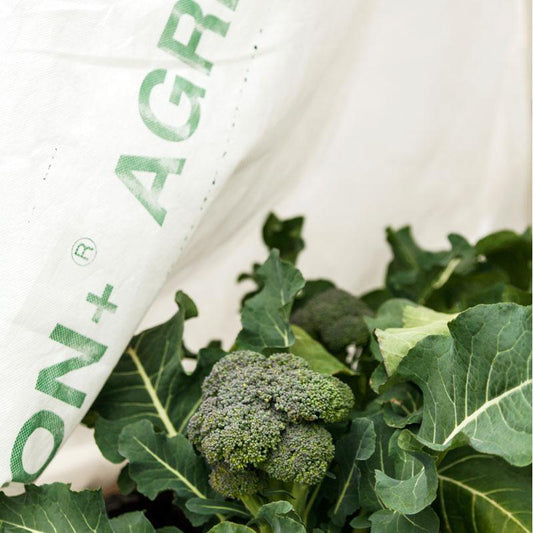
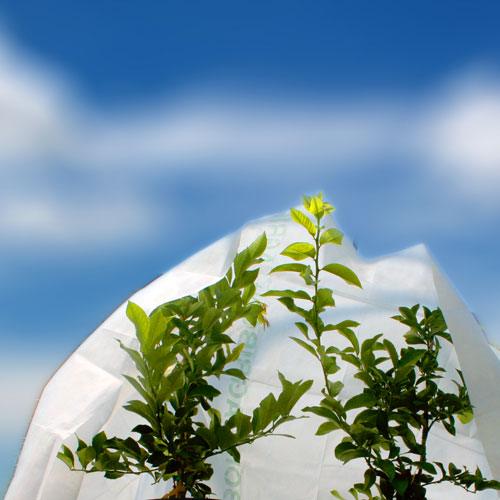
Row covers and barriers can exclude some pests only when edges, timing and crop pollination needs are managed. They can also trap heat, humidity or organisms already inside. Inspect before closing and vent as required. A collar or trap must not damage roots, stems or nontarget animals.
Hand removal, water sprays and limited pruning can reduce localized pressure. Each has water, disease, labor and plant-tolerance tradeoffs. Choose the smallest action that addresses the confirmed problem.
Expand the local scenarios
Valley aphids, ants and tender growth: The gardener finds aphids concentrated on a few tips, several lady beetle larvae and no spread to most plants. Ant trails are traced to honeydew. Root-zone saturation is corrected, the worst tips are monitored and no broad treatment is made. A later count—not mere presence—determines escalation.
Delta wind injury: Leaves have torn windward edges after fabric rubbed them. No organism or spreading lesion is present. The cover is re-anchored, hardening is slowed and irrigation remains based on roots. The injury is not sprayed.
Higher-foothill frost pocket: Blackened tissue appears after a cold night, while unaffected plants on a bench remain healthy. The gardener waits for injury expression, protects roots and delays pruning. Slug feeding found under a separate moist cover is managed as a second issue.
Use event-triggered scouting
After frost, map cold injury. After rain, check slugs, saturation and disease. After Delta wind, inspect abrasion and cover. After first heat, check aphids/mites and overnight recovery. Treat only current evidence.
Two local examples
Valley aphids in wet clay: Tips curl and ants appear, but roots also sit wet. The gardener corrects drainage, counts aphids/natural enemies and treats only if fresh damage rises.
Foothill frost and earwig question: Seedlings show black edges and holes. Frost maps to the low side; night scouting confirms earwigs elsewhere. Cold injury and feeding receive separate responses.
Choose products only after diagnosis
For a confirmed threshold, compare Organic Pest Control. When timing/site support a biological approach, review Beneficial Insects. For a confirmed disease plan, compare Organic Disease Control. Recheck inventory, shipping/release, labels and California requirements.
Keep a scouting record
Log crop, segment, soil moisture, frost/rain/wind/heat, organism/sign, fresh damage, natural enemies, threshold, action and follow-up. Earlier diagnosis and fewer broad interventions are intended outcomes, not guaranteed prevention or harvest.
Photograph the same leaves, cold pocket and protected-space edge. Add whether a treatment was considered but declined and why. This records restraint as well as action. Carry unresolved cankers, repeated saturation or unusual regulated-pest concerns to Extension or the relevant local authority instead of guessing. As summer begins, base the current response only on fresh pressure; old spring damage belongs in the history, not the treatment threshold.
Record any label version and application conditions for materials used so efficacy, phytotoxicity and nontarget effects can be reviewed accurately.
Keep those records.
Use scouting records in the next season
Use the same monitoring locations when checking fall guidance, winter guidance, and summer guidance.
When another climate provides a useful pest comparison, review Bay-Area guidance, SoCal guidance, and Rockies guidance. Apply only advice that fits local soil, exposure, forecast, water and crop response.