Sacramento-Sierra spring gardening is a race between three local clocks: soil becoming workable, frost risk receding, and Valley heat arriving. Before planting or feeding, check soil structure and temperature, the transplant's hardening, the local minimum forecast, irrigation pressure and root-zone moisture. Then establish only the crops and perennials that can root before their next limiting event, while protecting soil and preserving backup sowings.
Give each garden zone a clear next action before the narrow spring window closes. Use spring soil checks to judge workability, transplant timing to balance frost and heat, irrigation restart to verify delivery, spring IPM to diagnose tender-growth damage, and berries and young fruit trees to prepare long-term plantings. Sequence those decisions so planting does not outrun soil, water or weather readiness.
Spring condition checklist
- Workability: Does Valley clay crumble or smear? Is foothill soil stable after thaw or only snow-free?
- Soil temperature: Does the planting depth fit the selected crop across several mornings?
- Frost trajectory: What do the local forecast and cold-pocket history show, not just a regional average?
- Heat trajectory: How soon can Valley heat and warm nights challenge establishment?
- Transplant status: Are roots healthy, plants compact and hardening steps complete?
- Cover crop: Is it at a manageable termination stage, and is decomposition time available?
- Irrigation: Do pressure, filters, valves, emitters and wetting patterns pass inspection?
- Drainage: Where will another storm or snowmelt move?
- Root-zone moisture: Is the bed ready for water, still saturated or dry beneath a crust?
- Tender growth: Are aphids, earwigs, slugs, mites, frost injury or disease signs present?
- Perennial readiness: Do site, cultivar, support, frost protection and summer water align?
- Labor: Can starts, covers and new plantings be monitored through wind, frost and heat?
Compare four regional spring tracks
| Segment | Narrow-window pressure | First priority | Common false move |
|---|---|---|---|
| Sacramento Valley floor | Wet clay can turn quickly toward early heat | Wait for workability, then pressure-test irrigation before transplanting | Rushing into sticky soil or assuming winter moisture will last |
| Delta-influenced gardens | Cooler wind and mechanical stress alter hardening and demand | Anchor protection, harden to wind and measure moisture | Copying a warmer protected Valley schedule |
| Lower Sierra foothills | Later frost, slope runoff and quickly changing heat | Stabilize water paths and match crops to elevation | Using Valley planting dates or leaving bare contours |
| Higher foothills/frost-snow zones | Frozen or thaw-softened soil, late frost and short runway | Wait for stable soil and use protected propagation strategically | Planting because snow disappeared or relying on guaranteed cover |
USDA hardiness zones describe average annual extreme minimum temperature; they do not determine last frost, soil workability, heat arrival or planting dates. A low Valley frost pocket and a high foothill bench can reverse expectations. Use measured conditions and the garden's own event record.
Choose the next spring action for every zone
Dry and stabilize: Wet clay or thaw-softened soil remains covered and free from traffic.
Terminate and prepare: A cover crop reaches the correct stage and can decompose before the next planting without leaving the bed exposed.
Propagate and hold: Starts develop in a controlled space while bed, frost or irrigation gates remain closed.
Transplant and establish: Crop, forecast, soil temperature, hardening and water align.
Restart and test: Irrigation is brought online, pressure-tested and divided into compatible hydrozones.
Plant or train perennials: Berries, vines and young trees receive root-zone water, support and protection before heat where site fit is verified.
Condition-based spring action timeline
| Trigger | Whole-garden action | Regional split | Stop rule |
|---|---|---|---|
| Soil is workable rather than merely snow-free | Inspect structure, sample/test and open only needed rows | Valley clay must crumble; foothill soil must be stable after thaw | Stop if soil smears, compacts or shears |
| Cover reaches intended termination stage | Terminate with enough decomposition and planting time | Heat speeds Valley transition; cold slows foothill breakdown | Do not create a residue conflict or bare erosion period |
| Soil temperature fits the crop | Start a test sowing or transplant gate review | Delta wind and foothill cold still modify the reading | Do not treat one warm afternoon as a stable trend |
| Irrigation passes leak, pressure and wetting tests | Assign new and established root zones separately | Valley clay needs slow application; slopes need high/low checks | Do not plant into an unverified system |
| Transplant is hardened and frost/heat forecast aligns | Establish a small batch with backup retained | Valley watches heat; higher foothills watch late frost | Do not force planting to rescue overgrown starts |
| Overnight recovery declines as heat arrives | Shift toward summer irrigation, shade and crop triage | Valley may transition weeks before high foothills | Do not keep adding spring successions that cannot establish |
1. Read soil before feeding or cultivating
Winter saturation can leave Valley clay vulnerable to compaction even after the surface dries. Foothill thaw can leave a slope soft and easily sheared. Test the intended operation depth. Preserve fixed paths, open only the row needed and keep surface cover.
Terminate cover crops based on species, growth stage, moisture, next crop and time for residue management. Mature compost or fertilizer should answer a soil test and crop need; spring vigor is not permission for an automatic feeding schedule. Use the soil decision table and stop rules before cultivating or adding material.
2. Restart irrigation before demand spikes
Winter rain may have recharged some beds while leaving eaves, containers and slopes uneven. Flush and inspect according to system guidance, measure comparable emitters, repair leaks and map wetting at root depth. Separate annual starts from established trees and shallow beds from deep-rooted zones.
UC irrigation guidance emphasizes root depth, soil texture and weather. On Valley clay, test cycle-and-soak only where a continuous application puddles or runs off. In foothills, compare high and low pressure. Follow the source-to-root irrigation checks before setting a schedule.
3. Sequence cool and warm crops between frost and heat
Define the desired harvest stage, compare soil temperature and days to maturity with local heat and frost, then use small successions. Cool crops may bolt or decline as Valley heat arrives; warm crops may suffer in cold soil or a foothill frost. Catalog maturity is an estimate, not a guarantee.
Harden transplants gradually to sun, wind and temperature. Keep a backup sowing rather than committing every start to one uncertain window. Use the seed-starting guide for propagation technique, then match transplant timing to local soil, frost, wind, heat and irrigation conditions.
4. Protect tender growth through diagnosis
Aphids may colonize tender tips; earwigs and slugs can feed on seedlings; frost, wind, saturated roots or nutrient imbalance can look biological. Inspect the organism or sign, map distribution and correct water or protection failures first. Retain functional habitat without preserving confirmed problem residues.
Use barriers, exclusion and natural enemies before broad controls where they fit the target. If a pesticide is justified, verify label, crop/site, target/stage, temperature, pollinator precautions and California requirements. Recheck the same plants afterward so fresh damage, recovery and natural enemies determine the next step.
Operate propagation as a separate production zone
Protected starts let the garden hold while soil or frost gates remain closed, but they create their own constraints. Measure media temperature at seed depth, air minimum and maximum at plant height, light duration, moisture and airflow. A sunny structure can overheat quickly even while outdoor soil is cold. At night it can approach outdoor temperature.
Label each batch by crop, cultivar and sowing date. Record emergence rather than assuming the packet estimate matches the setup. Leggy growth points toward a light problem; collapse may involve media saturation, temperature, disease or pests; scorched leaves can reflect abrupt exposure during hardening. Diagnose before sowing another full batch.
Hardening gradually changes light, wind, temperature and water demand. Delta seedlings may need special wind adaptation, while Valley seedlings need protection from a sudden hot afternoon. Higher-foothill starts may outgrow their containers before soil is workable. Keep a later backup batch or pot on where crop guidance supports it rather than forcing the earliest set outside.
Use an irrigation commissioning sequence
- Inspect source, filters, valves, backflow components and visible winter damage.
- Open and test the system according to its instructions.
- Measure comparable emitter output, including high and low slope points.
- Repair leaks, clogs and pressure failures before setting runtime.
- Map wetting depth and width beside and between emitters.
- Separate new transplants, established trees, containers and shallow beds into compatible zones.
- Test pulse-and-soak only where a continuous run puddles or runs off.
- Record the baseline and recheck after the first warm spell.
Mulch can moderate exposure, but it may hide emitter failures or keep Valley crowns too wet. Pull it back for inspection, then replace it in a crop-, pest- and fire-compatible pattern. Do not carry winter or prior-summer controller settings forward without measurement.
Coordinate seven spring weather events
Late frost: Compare plant stage, local minimum, cold-air drainage and cover capacity. Harvest, hold or protect according to crop tolerance. Cold rain: pause planting into saturated clay and scout for drainage or disease issues. Delta wind: anchor covers and protect transplants from abrasion without overwatering.
Rapid thaw: stay off soft foothill soil and inspect rills, heaving and outlets. Sudden heat: verify irrigation and overnight recovery; delay delicate transplanting. Smoke: follow local safety guidance and simplify work when air quality makes inspection unsafe. Power interruption: know manual shutoffs and the vulnerability of propagation heat, pumps and automation.
After every event, diagnose again. A frost-injured leaf, wind-torn transplant and waterlogged root system should not receive the same pest treatment or fertilizer. Event-triggered observations are more useful than a routine intervention calendar.
5. Establish perennials before heat—only where ready
Young trees, berries and vines need workable soil, drainage, cultivar/rootstock fit, support and a verified irrigation zone. Valley sites may have a short root-establishment window before heat; foothill sites may still face frost. Chill and hardiness claims must be cultivar- and site-specific.
Use selective pruning and training, not a generic spring haircut. Protect blossoms or tender growth only with ventilated, anchored systems that can be monitored. Plant or train a perennial only after site, cultivar, roots, water, support and weather are ready together.
Plan the first summer before planting a perennial
A berry, vine or young tree planted in spring must pass through the region's next limiting season. Confirm who will irrigate during Valley heat, whether foothill water pressure reaches the upper root zone, where mulch can sit under defensible-space rules, and how support will withstand Delta wind. A short cool planting window is not enough if the summer care plan is missing.
Set an establishment zone that can be checked separately from mature trees or annual beds. Keep water away from the trunk, verify drainage and widen emitter placement as roots expand according to system and crop guidance. Do not push new growth with automatic fertilizer. Record cultivar, rootstock, chill/hardiness evidence and observed heat exposure.
Use water and labor budgets to choose scale
List the new successions, cover-crop termination, protected starts and perennials that require monitoring. Estimate irrigation, containers, fabric, replacement parts and visits during frost or heat. If the system exceeds capacity, reduce the planting scale and keep unused soil covered.
A regenerative practice is not automatically low-input. Repeated plastic, imported compost, irrigation for a poorly timed cover and discarded overgrown starts all carry costs. Durable repair, small trials and backup sowings can reduce one-window risk, but only when they do not multiply waste.
Build a field dashboard for the narrow window
| Zone | Gate still closed | Evidence needed | Next safe action |
|---|---|---|---|
| Valley annual bed | Workability | Clay crumbles at planting depth | Open test row and audit wetting |
| Delta transplant zone | Hardening/anchoring | Starts tolerate wind; fabric stable | Plant small batch |
| Lower-foothill slope | Runoff/termination | Stable soil, safe outlet, cover stage | Terminate while retaining surface protection |
| Higher-foothill bed | Frost/soil | Stable minimum trend and workable ground | Test cold-tolerant transplant |
| Young perennial | Water/support | Verified zone, drainage and structure | Plant or train |
Update the dashboard after each frost, storm, system test and heat event. A green light can close again if clay saturates, a line fails or a forecast changes. This prevents the calendar from overruling the current site.
Know when the spring window is closing
Heat arrival is not a single air-temperature threshold. Watch warm nights, root-zone drying, transplant recovery, flower set, irrigation demand and worker safety. When a Valley planting fails to recover overnight or requires emergency shade before roots establish, shift the bed toward summer management. Do not keep installing cool crops because a traditional spring date remains.
Higher foothills may still have safe spring work when Valley beds are already under summer triage. Continue using frost and soil evidence there. Move to summer guidance when heat, root-zone drying and plant recovery—not a calendar label—become the primary constraints.
Four local spring scenarios
Valley clay irrigation cycle: A gardener has tomato starts ready, but the bed still smears and the drip line has uneven output. Starts remain in a bright protected space while emitters are repaired. Clay is retested after drying; a small hardened batch moves only when soil, forecast and water pass.
Delta wind exposure: Transplants tolerate cool air but leaves abrade under fabric. The gardener anchors support, hardens to wind and checks roots before watering. Wind injury is not treated as disease without signs.
Lower-foothill contour cover: Cover crop protects a slope but the warm-season bed is needed. Termination is timed to leave residue and decomposition margin, while runoff paths and drip pressure are checked. The bed does not stay bare while waiting for a date.
Higher-foothill frost protection: Soil is thawed but a cold pocket remains vulnerable. A small transplant batch goes only when the structure, plant stage and forecast align. Backup starts remain protected; no claim is made that the cover will prevent injury.
Measure regenerative mechanisms
| Practice | Intended mechanism | Monitor | Tradeoff |
|---|---|---|---|
| Living roots/cover | Continuous soil protection and biological inputs | Establishment, water use, termination and pests | Can compete with the next crop |
| Reduced disturbance | Preserve aggregates and pores | Workability, footprints and infiltration | May conflict with a necessary repair |
| Test-based fertility | Target a crop and soil constraint | Laboratory values, growth and input history | Organic inputs can add salts or excess nutrients |
| Hydrozoning | Match water to roots and exposure | Emitter output, wetting pattern and plant recovery | Adds components and maintenance |
| Beneficial habitat | Support predators and parasitoids | Bloom, natural enemies, pests, water and fire fit | Can shelter pests |
| Backup sowings | Reduce one-window establishment risk | Space, materials, success and waste | Requires propagation resources |
More continuous cover, lower avoidable water loss and resilient nutrient cycling are intended outcomes, not guarantees. Track a baseline and the cost of seed, water, plastic and labor as well as crop response.
Choose supplies only after the garden decision
When the crop matrix supports planting, compare All Vegetable Seeds. For a controlled start system, review Plant Propagation. If soil-test and crop need justify an input, compare Fertilizers. For a monitored frost need, review Frost Protection. Recheck inventory, instructions, eligibility and local fit before purchase.
Stop rules for the transition to summer
- Stop soil work when clay smears or a thawed slope shears.
- Stop planting until irrigation passes pressure, leak and wetting tests.
- Stop a transplant that has not been hardened or whose frost/heat window is unrealistic.
- Stop fertilizer use without soil-, crop- and label-grounded need.
- Stop pest treatment until weather, roots and organism are separated.
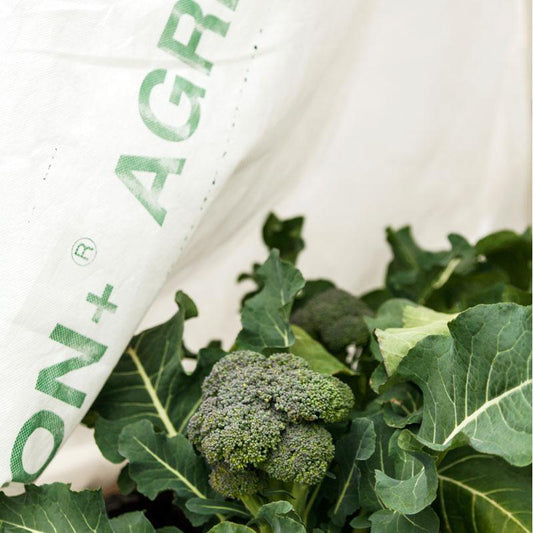
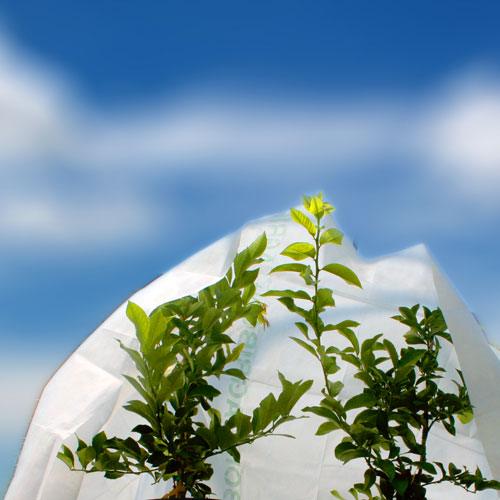
- Stop covers that cannot be ventilated, anchored or monitored.
- Stop new spring successions when heat makes establishment unreasonable.
Keep one field record for every spring zone
For each bed or perennial zone, record segment, slope position, exposure, soil state and temperature, last frost or heat event, crop stage, cover termination, irrigation output and wetting pattern, pest evidence, input rationale, perennial work and next trigger. Photograph the same points before and after a storm, cultivation, transplant or system repair.
Include exceptions. If a transplant was held because the bed stayed wet, if a cover was removed before wind, if a berry site failed its drainage test or if a pesticide was considered but not used, write down why. The record then distinguishes incomplete work from a deliberate stop rule.
Track outcomes as well as tasks: establishment percentage, overnight recovery, depth of wetting, runoff, surface cover, pest trend and material/labor cost. These observations show whether the plan is increasing continuous cover, reducing avoidable water loss and supporting beneficial organisms without claiming guaranteed results.
The region does not enter summer at once. Valley beds may need heat and water triage while higher foothills still manage frost. That staggered transition is the core of the Sacramento-Sierra spring plan. End each zone's record with the condition that moves it into summer management, so controller settings, covers and crop expectations do not linger by habit.
Review the log weekly during the narrow window and immediately after a freeze, atmospheric-river storm, Delta wind event or first significant heat. Mark completed work, keep unresolved constraints visible and rank the next actions by consequence: protect people and structures, stabilize water and soil, protect established perennials, then expand annual production. This order prevents a rush to plant from displacing a drainage repair or irrigation failure that every new crop would inherit.
If uncertainty remains, choose the reversible action: hold a backup tray, protect soil, test one irrigation zone or transplant a small batch. Reversibility preserves options while the local spring signal becomes clearer.
Document that choice.
Use spring observations through the year
Carry the same site observations into fall guidance, winter guidance, and summer guidance.
If your garden shares conditions with another region, compare Bay-Area guidance, SoCal guidance, and Rockies guidance. Apply only advice that fits local soil, exposure, forecast, water and crop response.