Spinach vs. Other Leafy Greens: Compare Lettuce, Arugula, Swiss Chard, Bok Choy, and More
This guide compares spinach with other popular greens to help you choose the right crop for your garden and kitchen. Whether you're making salads, stir frying, or preparing a simple side dish with olive oil, each vegetable has its strengths.

Spinach vs. Other Leafy Greens
Baby Spinach vs. Spinach
The difference between baby spinach and spinach is the harvest stage, not the plant. In baby spinach vs spinach and spinach vs baby spinach, baby spinach is harvested young for tender salads, while mature spinach leaves have a stronger flavor and work well in cooked dishes.
Spinach vs. Lettuce
When comparing spinach vs lettuce, lettuce versus spinach, or lettuce vs spinach, the main differences are texture and nutrition. Lettuce is crisp and refreshing, while spinach has softer leaves that work raw or cooked.
Romaine Lettuce vs. Spinach
In romaine lettuce vs spinach, romaine vs spinach, and spinach vs romaine, romaine offers a crisp texture, while spinach has softer leaves that work well cooked or as raw spinach. Choose between them by flavor, texture, serving style, and garden conditions.
Arugula vs. Spinach
Arugula vs spinach often comes down to flavor. Arugula has a peppery taste, while spinach is milder. In spinach vs arugula and arugula vs spinach nutrition, the two differ in flavor, texture, and typical culinary use; exact nutrient values depend on serving form and should be checked in a current authoritative database.
Swiss Chard vs. Spinach
Swiss chard vs spinach is a common garden comparison. Swiss chard produces nutritious leaves like spinach but handles heat better, while spinach grows best in cooler weather.
Bok Choy vs. Spinach
In bok choy vs spinach, both are cool-season vegetables. Bok choy has crisp stems and tender leaves ideal for soups and stir frying, while spinach cooks quickly and works in many recipes.
Collard Greens vs. Spinach
Collard greens vs spinach and collard greens versus spinach mainly differ in texture and cooking time. Collards have thicker leaves that require longer cooking, while spinach is tender and harvested sooner.
Broccoli vs. Spinach
Basil vs. Spinach
The basil vs spinach comparison is mainly about growing conditions. Basil is a warm-season herb, while spinach is a cool-season vegetable.
Cabbage vs. Spinach
In cabbage vs spinach, cabbage forms large heads and takes longer to mature, while spinach grows quickly and can be harvested leaf by leaf.

Featured Spinach Varieties from Grow Organic
If you've decided spinach is the right choice for your garden, Grow Organic offers several excellent varieties.
- Beaujolais Spinach Seeds (Organic): Slow to bolt and ideal for spring and fall gardens.
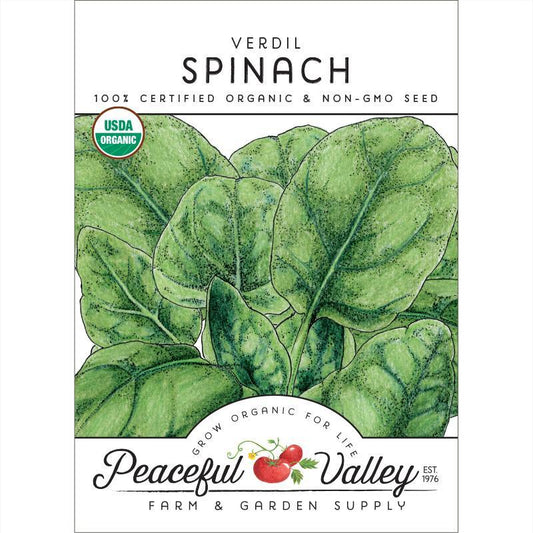
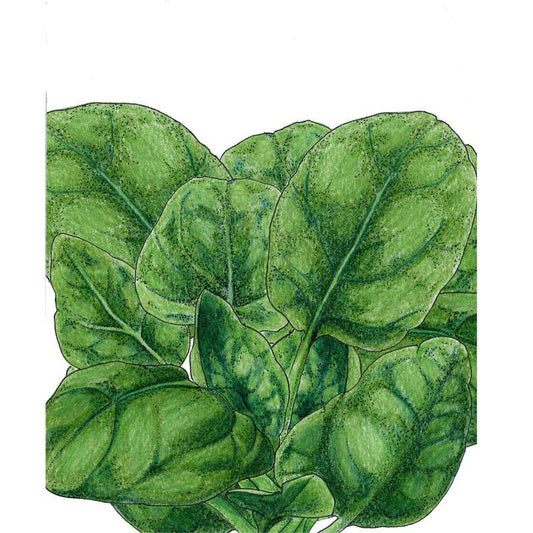
- Verdil Spinach Seeds (Organic): Reliable with tender, flavorful leaves.
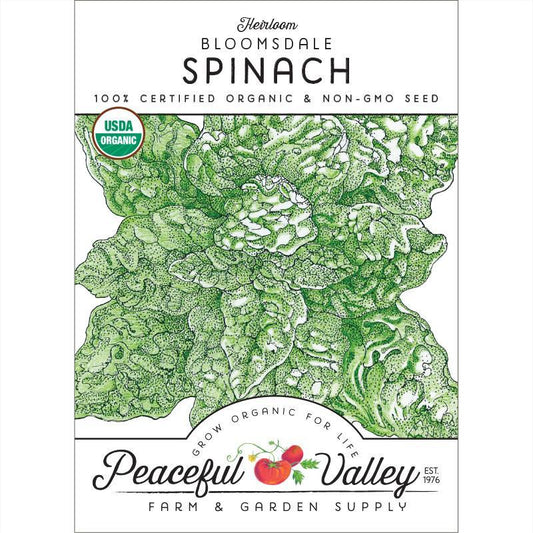
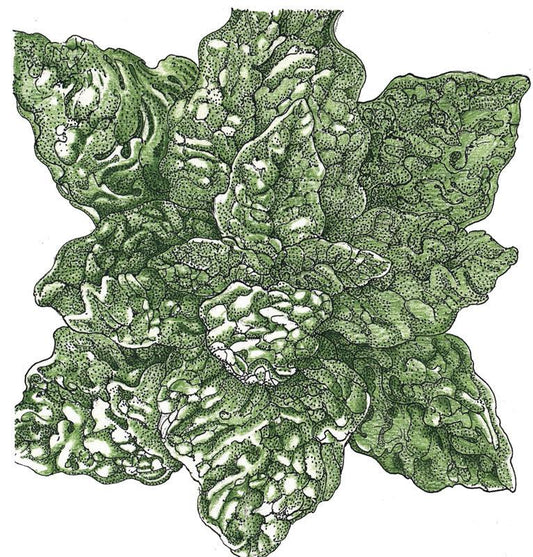
- Bloomsdale Spinach Seeds (Organic): A classic heirloom with dark green, savoyed leaves.
- Space Spinach Seeds (Organic): Fast growing for succession planting.
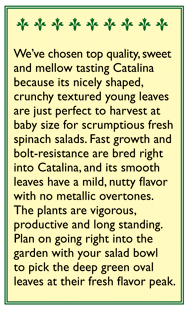
- Catalina Baby Leaf Spinach Seeds: Perfect for harvesting baby leaves.
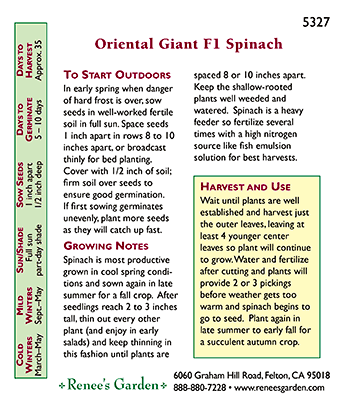
- Oriental Giant Japanese Spinach Seeds: Produces large, vigorous plants with excellent flavor.
- Malabar Spinach Seeds (Organic): Although not true spinach, it grows well during hot weather after traditional spinach finishes producing.
Browse the Spinach Seeds Collection to compare varieties. You can also read Chard vs. Kale vs. Spinach: Leafy Greens Comparison Guide for more growing tips. After harvesting, try Grow Organic's Spinach Sage Pesto recipe for a simple, flavorful meal.
Final Thoughts
Spinach is a fast-growing crop with tender leaves that work well in salads, cooked dishes, and recipes using olive oil. Other greens also have unique benefits, such as Swiss chard's heat tolerance and lettuce's crisp texture.