Washington spring does not arrive as one statewide planting day. West of the Cascades, mild air can coincide with cold, saturated soil and slow light-driven growth. In the Cascades and eastern Washington, exposed beds may warm quickly between late freezes while wind and irrigation startup shape transplant survival. Build the spring plan from soil workability, crop-specific soil temperature, hardened plant status, the local forecast, cover-crop stage, and a tested water system.
Washington spring work is easiest to manage when soil readiness, sowing and transplanting, irrigation, organic IPM, and perennial establishment follow a clear order. The goal is not to plant as early as possible. Open each bed when its soil, crop, water, and risk conditions align, and use the linked Washington guides for practical help with the next decision.
Run the Washington spring condition checklist
- Workability: Does soil crumble when gently opened, or smear and compact? Is the profile thawed, not merely snow-free at the surface?
- Soil temperature: Does a consistent reading at the crop’s rooting or sowing depth fit that crop’s needs?
- Forecast and cold-air drainage: What is the local minimum-temperature forecast, and where does cold settle on the site?
- Transplant status: Has the plant been hardened gradually, and are roots and shoots healthy rather than stretched or root-bound?
- Cover-crop stage: Can the stand be terminated with the available method and enough time for the next crop and residue management?
- Water system: Has each irrigation zone passed inspection, pressure, leak, emitter, and root-zone tests?
- Drainage: Where did the last storm pond or run, and can the next storm move through without damaging beds or structures?
- Biological pressure: Are slugs, aphids, foliar disease, rodents, mites, or beneficial organisms active, or does injury follow frost, wet roots, wind, or transplant stress?
- Perennial stage: Are roots establishing, buds swelling, flowers open, or fruit set beginning, and what does that stage change?
Repeat the check at an exposed bed, a sheltered bed, a low point, a container or protected space, and a young perennial. One garden can contain several spring stages at once.
Compare four Washington spring paths
| Segment | Primary spring constraint | First action | Trigger for planting or expansion |
|---|---|---|---|
| Olympic Peninsula and coast | Persistent moisture, wind, slow soil warming, and saturated pockets | Protect soil from traffic, trace drainage, secure covers, and measure soil rather than relying on mild air | Friable soil, crop-suitable temperature, healthy hardening, and a manageable wind and frost forecast |
| Puget Sound lowlands and islands | Cold wet soil, low-light carryover, slugs, variable frost, and urban microclimates | Open the brightest workable beds first; separate waterlogging and low light from fertility problems | Stable soil readings, acceptable root-zone moisture, and protection that can be ventilated and managed |
| Cascade and high-elevation sites | Snowmelt, frozen subsoil, short season, late frost, and rapid weather change | Map thaw depth, snowmelt, safe access, and the maturity window before sowing or transplanting | Workable profile, crop fit, hardened transplants, tested water, and sufficient frost-free opportunity without a guarantee |
| Columbia Basin and eastern Washington | Late frost, wind, fast surface drying, salinity or alkaline soil, and irrigation startup | Pressure-test zones, check root-zone moisture and salts where relevant, and protect surface soil from wind | System passes, soil accepts water, crop temperature fits, wind is manageable, and forecast risk is acceptable |
These segments are starting points. A Puget Sound cold-air pocket may frost after a nearby slope, and an east-side urban wall can warm soil earlier than an exposed field. Use the bed’s measurements and microclimate.
Follow a condition-based spring timeline
When soil is saturated, frozen below, or easily smeared
Keep traffic on established paths and shift work to propagation, records, irrigation inspection, support repair, or pest scouting. Do not cultivate, incorporate amendments, terminate a cover crop with heavy traffic, or plant into a glazed hole. If a west-side bed receives concentrated roof or path runoff, trace the source before adding compost or fertilizer. If snow has left a Cascade bed but the profile remains frozen, wait.
Protect bare soil with suitable residue or mulch without burying crowns. Maintain living cover where it is healthy and manageable. A spring task is not urgent merely because air temperatures rose.
When soil is workable but still cool
Measure soil temperature at a consistent depth and time relevant to the crop. Use the soil-temperature guide for crop considerations. Cool-season crops may have a viable path while warm-season crops remain indoors, but cultivar, maturity, forecast, light, and soil drainage still matter.
Terminate a cover crop only when the species, stage, termination method, residue, soil condition, and following crop fit. Build in enough time for decomposition or residue handling required by the system. Avoid a rigid statewide interval; temperature, moisture, biomass, and method change it.
When transplants are ready but frost or wind remains possible
Hardening is a gradual adjustment to outdoor light, temperature, wind, and water demand. It does not make a tender plant frost-proof. Compare the crop’s tolerance, root condition, soil temperature, local minimum forecast, cold-air drainage, and the protection you can manage. Keep a backup sowing or delay when the risk outweighs the benefit.
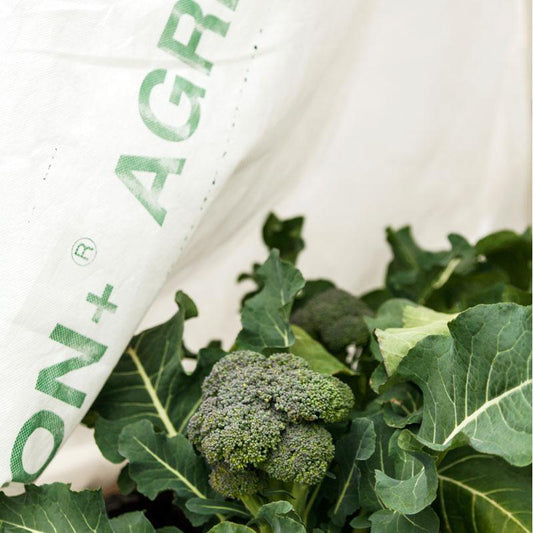
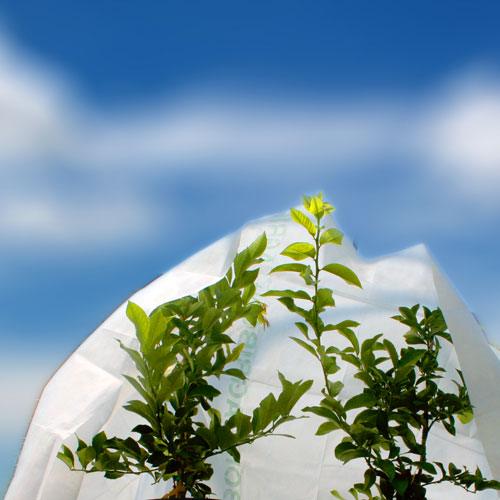
If protection is used, size and anchor it for the bed and wind, keep material from damaging plants, and follow its instructions. Monitor crop-height temperature and ventilate when heat and humidity build. Protection can moderate conditions but cannot guarantee survival.
When rapid growth and drying begin
Recheck irrigation zones, mulch position, crop competition, and pest activity. Eastern wind and warming can accelerate water demand; Puget Sound and coastal beds can move from saturated to summer-dry behavior over the season. Water from root-zone observation, crop stage, soil, weather, and local rules rather than a fixed frequency.
Use a soil test and crop demand before feeding. Rapid growth can expose nutrient needs, but yellowing may also come from cold roots, saturation, transplant shock, pests, disease, or pH and salinity constraints. Fertilizer cannot repair those conditions.
Choose the right spring action for each bed
Prepare: The bed is not ready to plant, but drainage, soil cover, irrigation, paths, rotation, and supports can be set without damaging soil.
Sow cool: Soil is workable and the crop’s germination temperature, maturity, moisture, and forecast align. Use a succession and keep part of the seed as backup when conditions are uncertain.
Transplant hardened: The plant, roots, soil, forecast, wind, irrigation, and protection plan all pass. Avoid planting a root-bound or weak transplant simply to free indoor space.
Protect and monitor: A defined frost, wind, pest, or moisture risk warrants a managed barrier or environment with a recheck trigger.
Rest or cover: The bed cannot open safely or does not fit the current rotation. Maintain soil cover and set the observation that will reopen the decision.
Work through five spring priorities
1. Decide whether the soil is ready
Before working a bed, use the Washington spring soil-readiness guide to check workability, soil temperature, cover-crop termination, tested amendments, and signs that the soil should be left alone. West of the Cascades, avoiding damage to cold, wet soil is often the priority. East of the Cascades, also consider wind exposure, surface drying, salinity or pH where relevant, and irrigation availability.
2. Sequence seed starting and transplanting
For help sequencing cool crops, warm crops, potatoes, propagation, hardening, and backup sowings on both sides of the Cascades, see the Washington seed-starting and transplant guide. It uses soil and forecast conditions rather than universal dates. The seed-starting guide provides detailed indoor techniques.
3. Restart irrigation by region and zone
Use the Washington spring irrigation guide to decide when eastern zones need startup and when western beds still need drainage or a rain gap. It walks through inspection, pressure and leak checks, hydrozones, transplant water, pulse or cycle-and-soak logic where runoff is a risk, and current local requirements.
4. Separate slugs, frost stress, and disease
When symptoms could come from either pests or spring weather, the Washington spring IPM guide can help distinguish active feeding from frost, saturated roots, wind, transplant shock, and nutrient symptoms. It also explains how to protect beneficial habitat and pollinators while using action thresholds and following pesticide labels.
5. Establish perennial systems
For berries, vines, and fruit trees, the Washington spring perennial guide covers establishment, pruning follow-up, trellising, blossom-stage frost decisions, root-zone cover, and the transition to regular irrigation. Cultivar, rootstock, hardiness, chill, mature size, pollination, and destination eligibility must fit the site.
Connect regenerative practices to observations
| Practice | Intended mechanism | Condition gate | Recheck |
|---|---|---|---|
| Retain living roots or terminate cover deliberately | Longer root occupancy and nutrient capture | Species, stage, water, soil workability, method, following crop, and residue plan | Termination success, soil cover, regrowth, and planting-bed condition |
| Reduce disturbance | Protect aggregation and pore space | Soil is wet, compactable, or erosion-prone | Infiltration, ponding, crusting, and traffic pattern |
| Use soil-test-based fertility | Match nutrients to crop and measured need | Representative sample, current crop, soil properties, and label | Plant response and future test trend |
| Hydrozone irrigation | Reduce avoidable runoff and evaporation | Zones reflect crop stage, root depth, soil, exposure, and delivery | Root-zone moisture, leaks, uniformity, and runoff |
| Retain functional habitat | Support pollinators and natural enemies | No confirmed disease, regulated pest, rodent, fire, or access conflict | Beneficial activity and pest trend |
These mechanisms can improve system resilience but do not guarantee soil, water, pest, or yield results. Imported mulch and compost carry sourcing and nutrient tradeoffs. Living cover may require water and termination work. Plastic protection requires anchoring, ventilation, reuse, and end-of-life planning. Habitat can also shelter pests. Measure the intended outcome.
Use measurements without turning them into false precision
Soil temperature is useful when the sampling method is consistent. Measure at the depth relevant to the seed or transplant, in the actual bed, and over enough observations to understand the trend. A dark raised bed, shaded in-ground bed, coastal garden, high-elevation site, and east-side wall bed can show very different readings on the same day. Use the crop’s institutional or packet guidance as a decision input, not a promise of germination.
A hand test for workability answers a different question. Soil can be warm enough for a crop but too wet to disturb. It can also be dry and friable at the surface while frozen or saturated below. Open a small observation point with minimal disturbance and compare the intended planting depth. If the soil forms a shiny smear or dense ribbon, wait.
Moisture tools can supplement the hand check, especially in containers and under covers, but device range, placement, salts, and texture affect readings. Compare a known wet point, a likely dry point, and an unaffected reference. A trend across a zone is more useful than a single number without context.
Keep a spring log with location, soil state, temperature, root-zone moisture, crop or cultivar, forecast, hardening stage, water-system result, action, and recheck. Photographs from the same position reveal ponding, wind damage, cover movement, transplant recovery, and pest patterns. This record helps replace a borrowed statewide date with evidence from your own garden.
Sequence crop groups by gates, not labels
Cool-season direct sowing: Open the gate when soil is workable, crop-specific soil temperature supports germination, moisture can be maintained without saturation, and the crop can mature before local heat or another constraint. Use a small succession and retain backup seed where cold rain, crusting, pests, or wind make emergence uncertain.
Cool-season transplants: Healthy hardened plants may tolerate conditions that would delay a warm-season crop, but roots still need workable soil and oxygen. Protect young plants from wind and monitor slugs west of the Cascades. Avoid burying a weak transplant in cold saturated soil merely because it is ready indoors.
Potatoes and vegetative material: Source, variety, soil condition, disease prevention, and water matter. Do not plant into cold waterlogged soil or use material of uncertain health. Maturity and heat arrival may affect east-side choices, while persistent wetness may affect west-side disease risk. Use crop-specific guidance rather than treating potatoes as a statewide date marker.
Warm-season crops: Air warmth on one afternoon is not the gate. Require a suitable soil trend, a hardened transplant, an acceptable minimum-temperature forecast, and a credible path through wind or late frost. Warm urban sites can open earlier than nearby cold-air basins, while coastal wind can make a mild minimum misleading.
Perennial fruit: Establishment and blossom protection are different jobs. A dormant or newly leafing plant can have an open planting window while open flowers face frost risk. Separate root-zone readiness, cultivar fit, bloom stage, and forecast. Do not guarantee fruit set.
Plan for failure without planning to fail
Spring resilience comes from keeping options. Divide seed into successions, retain a few replacement transplants, and avoid committing every bed to a tender crop during the first plausible window. Use labels and records so a backup is not confused with the primary sowing. If the first planting succeeds, the reserve can become the next succession or be stored according to its requirements.
Define the failure signal before acting. Poor emergence can come from cold soil, crusting, saturation, seed quality, birds, rodents, slugs, or inadequate moisture. Transplant decline can follow insufficient hardening, root damage, wind, frost, overwatering, disease, or heat under protection. Diagnose the pattern before reseeding, feeding, or treating.
A cover or tunnel needs a failure plan too. Identify how it will be vented, secured, inspected, and removed; what happens during strong wind; and who can reach it. A material that cannot be managed through the forecast is not protection. Reusing a well-fitted system can reduce waste, but damaged fabric or unsafe supports should not be retained for appearances.
Protect pollinators during the spring transition
As flowers open, pesticide and habitat decisions become more consequential. Identify the target, monitor bloom and beneficial activity, and prioritize prevention, barriers, exclusion, sanitation, and other least-disruptive steps that fit the organism. If a pesticide is warranted, the label governs crop or site, rate, timing, weather, protective equipment, harvest and reentry limits, and pollinator precautions.
Retain diverse flowering and nesting resources where they do not maintain a confirmed disease, regulated pest, rodent problem, or access hazard. Do not call a plant native without defining the geography and using an authoritative flora source. A habitat planting can support pollinators but cannot guarantee visitation, pollination, pest control, or yield.
See how conditions change the decision
Puget Sound low-light bed: Air feels mild, but soil smears and remains cool. The gardener leaves the cover crop in place, moves foot traffic to a path, starts a later succession indoors, checks drainage after the next storm, and waits for a workable soil and temperature trend. Fertilizer is not added to “wake up” the bed.
Columbia Basin transplant bed: Surface soil is warm in the afternoon, but the local forecast includes a cold minimum and the system has not passed a pressure test. The gardener finishes irrigation repair, hardens plants gradually, checks moisture below the wind-dried surface, secures a realistic protection option, and retains backup plants. Planting opens only after all gates pass.
Manage spring risks without overpromising
Late frost: Use the local forecast, crop stage, cold-air drainage, and cultivar information. A last-frost date is a probability-based planning reference, not a guarantee. Covers may reduce exposure when used correctly but cannot promise protection.
Cold wet soil: Slow emergence and root activity can look like a nutrient problem. Avoid planting or cultivating into smeared soil and avoid untested fertilizer.
Sudden heat and wind: Harden transplants, secure structures, check root-zone moisture, and shield only where the material and airflow can be managed. Do not move a weak indoor plant directly into an east-side wind corridor.
Slugs, aphids, disease, and mites: Identify current evidence, note beneficial organisms, and distinguish biology from frost, saturation, wind, and transplant shock. Follow current Washington registration and the entire label if a pesticide is warranted.
Perennial blossom risk: Cultivar, stage, microclimate, and forecast matter. Do not promise fruit protection or harvest from a cover, irrigation tactic, or product.
Choose supplies after the spring path is open
After crop and window selection, compare vegetable seeds by cultivar, maturity estimate, temperature response, and intended harvest. For a viable indoor or protected propagation path, review plant-propagation supplies by reusable capacity and the environment you can manage. If a soil test and crop need justify feeding, compare fertilizers by analysis and label. For a defined forecast risk, review frost-protection options by dimensions, anchoring, ventilation, reuse, and instructions.
Before ordering, confirm current availability, shipping eligibility, regional fit, and product instructions. A frost blanket may be useful when its size, material, anchoring, ventilation, and instructions fit the crop and forecast, but it is not required for every garden. No supply substitutes for workable soil, hardened plants, a tested water system, or a risk-based plan.
Finish with six practical checks
- Record soil workability and temperature, forecast, transplant status, cover-crop stage, water-system status, and current pest evidence.
- Choose the correct subregional path and adjust for the bed’s microclimate.
- Stabilize soil, water, and access before sowing or feeding.
- Assign the bed to prepare, sow, transplant, protect, or rest.
- Use the appropriate soil, crop, water, IPM, or perennial guide for the selected task, then record the result.
- Set a new trigger: the next soil reading, storm, frost forecast, irrigation test, hardening step, or crop stage.
If frozen soil, snowmelt, or unfinished winter protection still controls the garden, revisit the Washington winter garden plan. Spring begins bed by bed when the next task can be completed without avoidable damage to soil, plants, water systems, or infrastructure.
Prepare for the seasons ahead
Use the Washington fall guide to prepare cover, irrigation, and perennials before winter, and the Washington summer guide to plan for drying soil, heat, and regional water demands.
Gardens near a regional transition may also benefit from Oregon spring guidance, cold-climate spring guidance, or Rockies spring guidance. Apply only the advice that matches your soil, exposure, forecast, water supply, and crop response.