Washington’s fall garden plan should split at the Cascade divide before it splits into tasks. West of the Cascades, the urgent work is often to cover soil, preserve infiltration, and keep roots out of prolonged saturation as rain and low light return. In the Columbia Basin and other east-side gardens, gardeners may still be conserving moisture and managing wind when a sharp freeze closes the establishment window. Cascade and high-elevation sites can encounter both storm exposure and early cold.
Across Washington, begin by identifying the local transition, then protect soil, correct water movement, choose only crops and covers that can establish, manage pests from current evidence, and secure perennials and infrastructure. The action changes among the Olympic coast, Puget Sound lowlands, mountain sites, and eastern Washington.
Diagnose the fall transition from local evidence
Fall does not begin with one Washington date. It begins when cooler nights, declining day length, the first soaking rain or an irrigation equivalent, crop maturity, and the local frost trajectory change what the garden can accomplish. Walk the site before the next major weather event and inspect both the soil and the systems that move water.
Probe the root zone in more than one place. A west-side bed may be dry below the surface before autumn rain becomes reliable, while the same bed may saturate quickly after storms. East-side soil may remain dry and wind-exposed even as nights cool. Check the high and low points, the emitter end and line end, beds under eaves, compacted paths, slopes, containers, and perennial root zones. The first rain does not prove that water reached every active root.
Then compare soil condition with the next limit. Is the selected seed likely to germinate and establish before cold or low light slows growth? Is the soil still warm enough for the intended cover? Can a mature crop finish before frost? Will a west-side bed accept another storm without runoff? Can an exposed irrigation line tolerate the forecast minimum? Those answers define the next useful task; a statewide calendar cannot.
Regional condition checklist
- Has a meaningful rain wetted the active root zone, or is irrigation still needed?
- Does water infiltrate, pond, run off, or bypass dry soil under mulch?
- Is the soil workable, powder-dry, compacted, smeary, or already saturated?
- Can the selected crop or cover establish under current soil temperature and declining light?
- What does the local frost forecast show, including cold-air drainage and elevation?
- Are summer crops still productive, or are they consuming space and water without useful progress?
- Are slugs, aphids, foliar disease, mites, rodents, or storage pests active now?
- Are leaves, residue, and mulch protecting soil or creating a disease, pest, drainage, or fire problem?
- Are trellises, row covers, slopes, drains, and irrigation ready for wind, rain, snow, or freeze?
- Do current drought declarations, water restrictions, air quality, or fire rules change the work?
Keep the checklist tied to observations. USDA hardiness zones describe average annual extreme minimum temperature and help screen perennial cold tolerance; they are not planting calendars, frost promises, or measures of winter light. A Puget Sound zone label cannot tell a gardener whether a cover crop will make enough fall growth, and an east-side zone cannot identify a cold pocket on a particular night.
Compare four Washington fall systems
| Segment | Controlling conditions | Fall priority | Common mistake |
|---|---|---|---|
| Olympic Peninsula and coast | Heavy wet-season precipitation, wind, cool soil, persistent moisture, and locally sandy, shallow, or saturated ground | Cover exposed soil, keep drainage routes open, manage airflow, and secure materials before storms | Adding water or working soil because the surface appearance resembles a drier inland garden |
| Puget Sound lowlands | Summer dry-down followed by increasing rain, compacted urban or glacial soils, low winter light, and many microclimates | Test infiltration, establish viable crops or covers early enough, and prevent compaction | Assuming mild air temperatures guarantee winter growth or good drainage |
| Cascade and high-elevation sites | Frost, snow, slope, short seasons, wind, freeze-thaw, and large elevation differences | Protect soil and roots, finish viable harvests, secure structures, and winterize exposed systems from the local forecast | Waiting for a lowland date or relying on frost protection as a guarantee |
| Columbia Basin and eastern Washington | Rain shadow, wind, high summer evapotranspiration, irrigation dependence, loess or sandy soils, cold basins, and locally alkaline or saline conditions | Conserve remaining moisture, prevent wind erosion, establish only realistic plantings, and prepare for freeze | Stopping irrigation before roots are ready or importing a west-side rain and cover-crop plan |
Urban heat islands, islands and shoreline sites, foothills, and cold-air basins add another layer. Treat the table as a starting hypothesis and verify it in the bed. A windy Puget Sound island can share exposure problems with the east side, while a Columbia Basin low spot can freeze earlier than a nearby slope.
Use a condition-based fall action timeline
| Trigger | Act now | Verify before the next step |
|---|---|---|
| First soaking rain or a verified irrigation substitute | Probe the root zone, reduce irrigation only where water arrived, and inspect runoff and low spots | Moisture depth, infiltration, and whether another storm will exceed drainage capacity |
| Open bed while soil remains suitable for establishment | Choose a fall crop, cover crop, retained residue, or protected rest by rotation and local window | Seed needs, soil temperature, water, forecast, and termination capacity |
| Soil smears, sticks, or compacts underfoot | Stop cultivation and traffic; protect the surface from impact | Workability after drainage, not merely a dry-looking crust |
| Local frost risk approaches before a crop can mature | Harvest usable produce and decide whether justified protection buys meaningful time | Forecast minimum, duration, wind, crop tolerance, cover setup, and remaining maturity |
| Wind or heavy rain is forecast | Secure covers and trellises, clear safe drainage paths, protect loose soil, and pause risky applications | Post-storm stability, erosion, saturation, and damaged irrigation |
| East-side root zones remain dry as nights cool | Maintain condition-based irrigation for active crops and perennials; repair delivery | Root moisture, plant recovery, restrictions, and the freeze plan for exposed components |
| Slugs, disease, rodents, or other injury increases | Identify the organism or cause, set an action point, and begin with cultural or physical tactics | Trend on the same marked plants and effects on beneficial organisms |
| Summer crop stops useful growth | Harvest, diagnose residues, remove selectively, and protect the bed | Next crop, cover, or rest plan before soil is left bare |
This timeline deliberately contains no fixed watering, fertilizer, planting, or frost-protection schedule. Water demand changes with soil, plant stage, exposure, weather, and delivery. Nutrient additions require a crop need, representative test or documented history, analysis, and label. Protection changes temperature, wind, light, moisture, and pollinator access, but it cannot guarantee survival or harvest.
1. Stabilize soil before rain, wind, or freeze
Cover bare soil as soon as a bed’s next use is known. Healthy crop residue, suitable mulch, a fall crop, or a cover crop can reduce exposure to raindrop impact or wind. The choice depends on whether roots can establish, whether irrigation is available, how the material will be terminated, and whether it creates a slug, rodent, disease, drainage, or fire concern.
West of the Cascades, protect structure before repeated rain. Keep foot traffic and tools off soil that smears or compacts. Surface cover can reduce erosion, but it must not block drains or hold thick wet material against crowns and trunks. In the Olympic Peninsula and other very wet sites, the most useful action may be to stop disturbance and redirect water safely rather than add an amendment.
East of the Cascades, keep wind from carrying loose topsoil and preserve moisture where a crop or cover still needs it. A living cover uses water; it is not automatically the regenerative choice in an irrigated, short-window garden. If it cannot establish or be terminated reliably, retain safe residue or use an appropriate nonliving cover. Use the Washington fall cover-crop guide to match species, residue, mulch, or protected rest to the site's rain, wind, water, and freeze conditions.
Correct fertility only from evidence. West-side acidity, east-side alkalinity, or low organic matter may occur, but none should be assumed from an address. Compost and other organic inputs can add salts, phosphorus, or excess nutrients. Test and interpret in the context of crop, site, amendment analysis, and bed history. Regeneration means fewer unnecessary inputs as well as more continuous cover.
2. Correct water movement on both sides of the divide
In western Washington, fall water management shifts from summer supply toward infiltration, drainage, and storm readiness. It does not shift everywhere at once. Beds under roofs, large evergreen canopies, or dense mulch can stay dry through light rain. Probe before shutting a zone down. Once rain is dependable, remove unneeded automatic cycles and continue monitoring containers, young perennials, and sheltered beds separately.
Test where water goes. Run irrigation or observe meaningful rain, then check upper and lower slopes, compacted access, bed edges, downspout discharge, and the outlet of any drain. Slow application or separated pulses may help where delivery exceeds infiltration, but they do not repair a blocked drain or a compacted layer. Keep sediment and garden inputs out of waterways.
In the Columbia Basin and other east-side locations, fall can remain dry while temperatures fall. Continue irrigating active roots according to measured demand and current allocations. Wind can dry surfaces and shift loose mulch. Winterize exposed lines only when local freeze risk and manufacturer instructions justify it; stopping water too early can stress young or evergreen perennials. Use the Washington fall rain-and-moisture checklist to audit each zone and time winterization from root needs and component exposure.
3. Plant from maturity, soil temperature, light, and frost
Start with the bed-opening date and work forward under current conditions. A seed packet’s maturity estimate is not a harvest promise. Germination, transplant recovery, decreasing light, soil temperature, frost, crop tolerance, and protection all affect progress. Western Washington’s moderated lows may allow some crops to stand, yet low light and wet soil can slow growth. Eastern Washington’s sun may remain strong, but frost and deep cold can arrive sooner.
Garlic requires suitable planting stock, drainage, rotation, and a locally appropriate establishment window. Do not move suspect bulbs or use grocery garlic as a substitute for verified planting stock. Check shipping and destination restrictions, and confirm variety fit rather than using a statewide date. Cool-season vegetables should be chosen by maturity, cold tolerance, soil, and whether the gardener is growing for fall harvest, overwintering, or spring recovery.
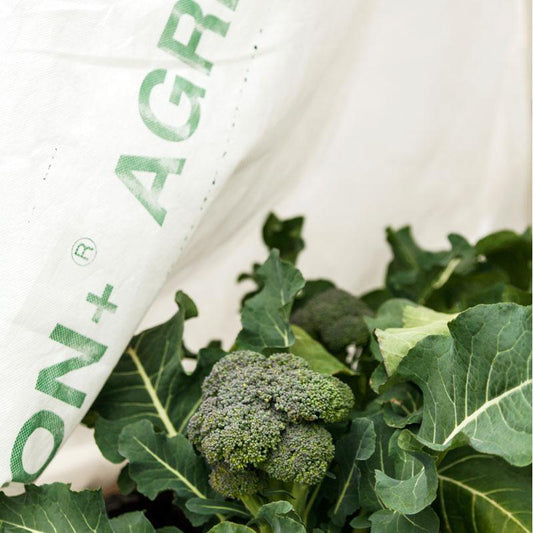
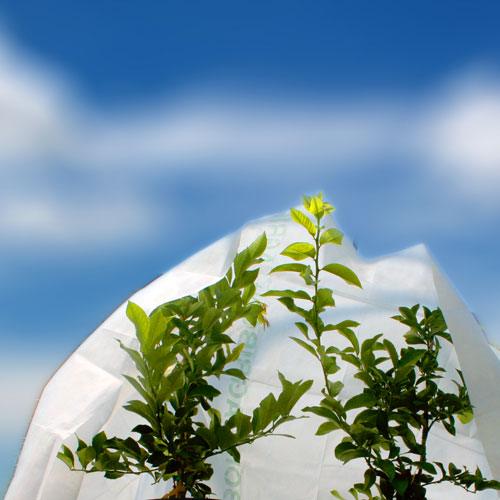
Low tunnels and row covers can moderate conditions and exclude some pests when used correctly, but they require anchoring, ventilation, temperature monitoring, and pollination access. They do not substitute for a crop that lacks enough light or time. Use the Washington garlic and cool-season crop matrix to choose crops by maturity, soil, light, frost, and establishment conditions. For planting techniques, see Growing a Fall Garden.
4. Shift IPM with the season, not with a cleanup reflex
Humid west-side gardens may see slugs, aphids, and foliar disease as rain and leaf wetness increase. East-side gardens can carry mites, grasshoppers, rodents, and storage pests from the dry season into cooling weather. Wind, frost, drought, smoke, hail, or root saturation can resemble biological damage. Confirm the organism and the damage pattern before treatment.
Retain functional habitat while removing confirmed disease reservoirs, heavily infested residues, spilled seed, and unsafe shelter. A completely bare, over-cleaned garden loses soil cover and refuges for beneficial organisms; dense unmanaged residue can shelter slugs or rodents. The useful middle is monitored habitat, crop rotation, selective sanitation, and a recorded threshold for action.
If a pesticide becomes necessary, verify the crop and pest on the current label, Washington registration, weather restrictions, preharvest interval, application conditions, and effects on beneficial organisms. “Organic” does not mean universally safe. Use the Washington fall IPM diagnostic to separate west-side slug pressure and east-side rodent activity from weather, water, and disease injury.
5. Prepare perennials and infrastructure for the actual hazard
Inspect berries, orchard trees, vines, and other perennials for root-zone moisture, mulch placement, broken or rubbing wood, crop load, trunk or crown injury, and support stability. Continue recovery from summer heat or drought before cold arrives. Do not stimulate tender growth with an unsupported fertilizer application. Keep mulch clear of trunks and crowns and observe for rodent shelter.
Secure trellises, fences, low tunnels, and stored covers before windstorms. Clear safe drainage routes before heavy western rain. At elevation and east of the Cascades, protect or drain exposed irrigation components according to system instructions and forecast risk. A mild Puget Sound night is not a valid winterization signal for a Columbia Basin line.
Dormant-season perennial purchases need cultivar-level screening. Check hardiness, chill requirements, rootstock, pollination, site, dormancy, shipping window, and destination eligibility. Zone alone is insufficient, and no cultivar is guaranteed to survive an extreme event. Use the Washington perennial and infrastructure readiness checklist before planting, pruning, repairing supports, or winterizing irrigation.
6. Decide whether each bed produces, transitions, or rests
Keep producing when the crop remains healthy, useful maturity is plausible, root conditions are acceptable, and the labor and protection are justified. Record the weather or crop trigger that will end the effort. Do not keep a failing warm-season crop only because it occupied the bed all summer.
Transition when a bed opens in time for a realistic fall crop, cover, or perennial task. Diagnose residues before moving them, minimize disturbance, and ensure the next planting has water. In western Washington, prioritize establishment before low light and saturation restrict growth. In eastern Washington, work within cold and water limits rather than assuming late sun equals a long season.
Rest under protection when there is not enough time, water, or labor to establish responsibly. Retain safe residue or apply an appropriate surface cover, control consequential weeds, protect drainage, and set a recheck. Rest is a planned state when the soil remains covered and monitored.
A single property can use all three statuses. A Puget Sound bed may overwinter greens under monitored protection while a compacted low spot rests and a harvested bed grows cover. An east-side garden may concentrate irrigation on garlic and young fruit trees while protecting other soil from wind. The correct goal is function, not uniform appearance.
Connect regenerative practices to measurable outcomes
Continuous soil cover can reduce raindrop impact and wind exposure. Living roots can support aggregation and nutrient cycling where water and temperature permit. Hydrozoning can reduce avoidable water loss. Diverse rotations and flowering habitat can support beneficial organisms. None of these mechanisms guarantees disease prevention, pest control, drought survival, or yield.
Track the response. After rain, record ponding, infiltration, erosion, and soil workability. After a cover-crop decision, record establishment, uniformity, water use, weed competition, and termination stage. After an irrigation change, compare moisture at active root depth. After an IPM action, recount the same pest and beneficial indicators. Evidence allows a gardener to stop a practice that does not fit.
Account for tradeoffs. Imported mulch has sourcing, transport, and possible fire implications. Living cover can consume limited east-side water. Repeated compost can accumulate nutrients or salts. Plastic protection needs ventilation, reuse, storage, and end-of-life planning. Habitat can shelter pests. Regenerative gardening is a decision framework, not a label that makes every input low-impact.
Keep a fall observation sheet for each garden zone
Create one short row for every bed, container group, perennial block, and irrigation zone. Record segment and exposure; current crop; soil moisture and workability; drainage or wind concern; next frost or storm trigger; status as produce, transition, or rest; cover choice; irrigation action; pest diagnosis; and the next inspection. This keeps a west-side rain response from being applied automatically to an east-side bed.
Add a stop condition to every planned action. Stop cultivating if soil smears. Stop irrigating if the root zone remains saturated. Do not sow a cover if establishment water or termination is unavailable. Do not protect a crop if the cover cannot be secured or ventilated. Do not apply an input if the label, test, diagnosis, or weather does not support it.
Review the sheet after the first soaking storm, first meaningful frost, a wind event, a crop turnover, or a change in water restrictions. The date records context; the observation controls the decision.
Respond safely to rain, wind, smoke, and early frost
Before heavy rain, secure loose materials, keep drains and safe overflow routes open, and move fertilizers or pesticides away from runoff risk. Do not enter flooded areas or work unstable slopes. Afterward, check structure and roots before amending or cultivating. Saturated soil needs protection from traffic more than it needs immediate digging.
Before wind, lower or reinforce covers and trellises from safe footing. Remove a material that becomes a sail. During smoke, follow current public-health and fire guidance, postpone strenuous outdoor work, and avoid unnecessary pesticide applications. Drought status and irrigation restrictions can change; rely on the appropriate local or state authority rather than a standing statewide statement.
For frost, compare forecast minimum, duration, wind, crop tolerance, soil moisture, cover material, and remaining maturity. Install protection before conditions become unsafe, anchor it, keep material from crushing plants, and ventilate when temperatures rise. Use the low-tunnel frost guide for installation and ventilation techniques. No tunnel or blanket guarantees protection.
Choose collections after the zone decision
When a bed has a viable establishment and termination plan, compare Year Round Cover Crop Mixes by species, soil temperature, water, rotation, winter behavior, and management capacity. For a verified garlic site, use Seed Garlic to compare suitable planting stock while checking cultivar fit and destination restrictions.
For climate-appropriate fall food production, browse All Vegetable Seeds only after maturity, light, soil, frost, and protection are considered. If a justified protection strategy is part of the plan, compare Frost Protection by crop, dimensions, anchoring, ventilation, durability, and instructions. Check current availability, shipping, regional eligibility, and instructions immediately before purchase.
An individual product is not mandatory. A crop can be harvested, a bed can rest, residue can remain, or an existing support can be repaired. Compare products only after the garden condition defines a real need.
Signs that the Washington fall plan is working
- Every bed has a produce, transition, or protected-rest decision.
- West-side soil is covered and protected from compaction before persistent rain.
- East-side soil and perennial roots have a moisture and wind plan before freeze.
- Cover crops and food crops have a realistic establishment, water, maturity, and termination path.
- Irrigation changes follow root-zone evidence, and exposed systems have a local winterization trigger.
- Slugs, aphids, disease, mites, rodents, and storage pests are identified before intervention.
- Perennials and structures are prepared for the relevant wind, rain, snow, or cold risk.
- Fertilizer and amendments answer tests, crop needs, analyses, and labels rather than a seasonal habit.
- All protection is secured, ventilated, reusable where practical, and treated as risk reduction rather than a guarantee.
- The next inspection is tied to weather or plant condition, not a universal date.
Across the Cascade divide, a good Washington fall plan does not make both sides look the same. It protects western soil before rain and saturation, conserves eastern moisture before wind and cold, and gives mountain gardens enough margin for rapid weather changes. Coordinating soil cover, water movement, food production, IPM, perennials, and infrastructure turns fall into a measured transition instead of a race against a generic calendar.
Prepare for the next local shift with Washington winter, spring, and summer guidance. Gardeners near a regional boundary can compare Oregon fall, cold-climate fall, and Rockies fall conditions, using only advice that fits the local soil, exposure, forecast, water, and crop response.