What Are Mustard Greens? Why This Versatile Leafy Green Deserves a Spot in Your Garden
Mustard greens are one of the easiest cool-season vegetables to grow. They produce tender leaves quickly, tolerate chilly weather, and add bold flavor to salads, soups, and stir-fries. Whether you're planting your first vegetable garden or looking for a fast-growing crop to fill empty spaces, mustard greens are a great choice.
Many gardeners ask what are mustard greens, what is mustard greens, or even what is a mustard green. Simply put, they are leafy vegetables in the cabbage family that are grown for their flavorful leaves. Most belong to the species Brassica juncea, although some popular Asian greens, such as Tatsoi and Mizuna, are closely related members of the mustard family.
In this guide, you'll learn what is mustard green, the different types of mustard greens, what they taste like, and why they deserve a place in your garden.

What Are Mustard Greens?
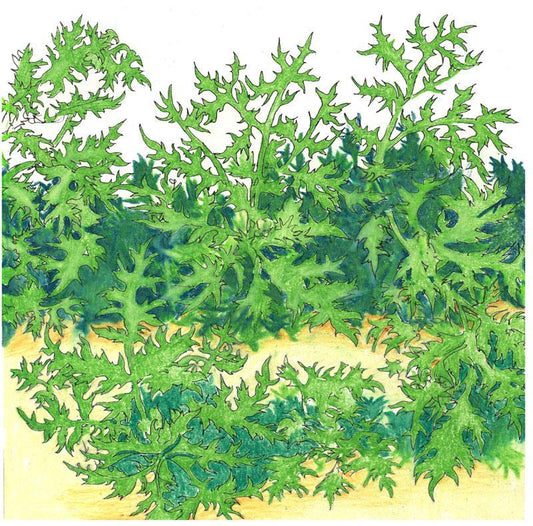
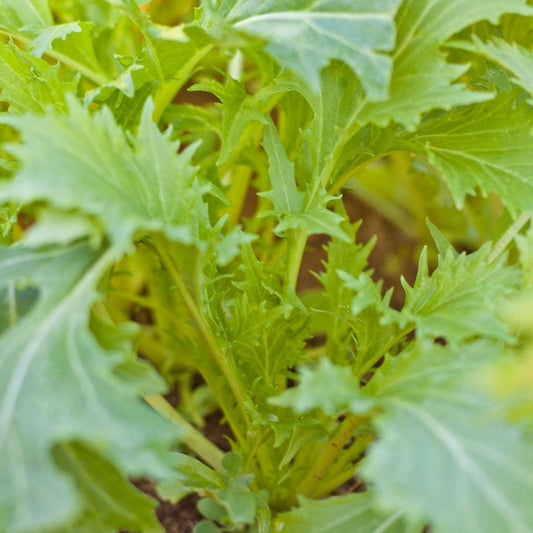
If you've ever wondered what is green mustard, think of a leafy vegetable that combines the quick growth of lettuce with the bold taste of arugula. Mustard greens grow in loose rosettes of broad or finely cut leaves, depending on the variety.
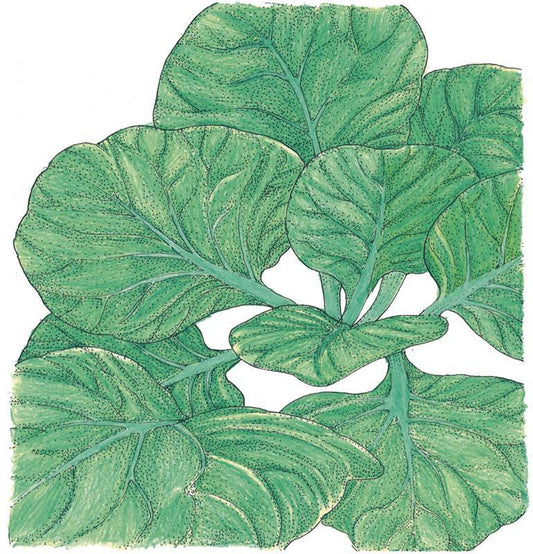
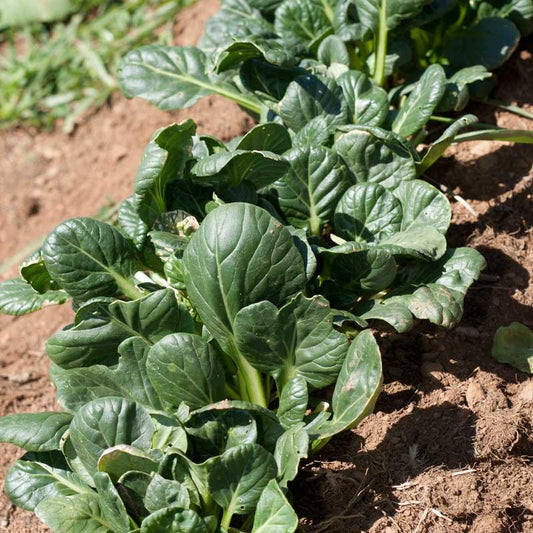
So, what do mustard greens look like? Most have large green leaves with ruffled, smooth, or deeply lobed edges. Young plants are often bright green, while some varieties develop reddish or purple veins as they mature.
Mustard greens have been grown for centuries in Asia, Europe, and North America. Today, they are popular in home gardens because they are productive, easy to grow, and ready to harvest in as little as 30 to 45 days for baby leaves.
Types of Mustard Greens
There are many mustard green varieties, each with a slightly different appearance and flavor.
Some of the most common types of mustard include:
Curly Mustard
This classic variety has frilly leaves and a bold, peppery bite. It is often used in Southern cooking and makes excellent cooked mustard greens.
Indian Mustard
Indian mustard (Brassica juncea) produces larger leaves with a stronger flavor. It is commonly grown throughout Asia and is used in curries, stir-fries, and pickled dishes.
Chinese Mustard
Chinese mustard includes several Asian greens that are prized for their crisp texture and mild spice. These varieties are popular in soups, noodle dishes, and quick sautés.
Mizuna and Tatsoi
Although they look different from traditional mustard greens, Mizuna and Tatsoi belong to the mustard family. They have milder flavors, making them excellent choices for fresh salads.

What Do Mustard Greens Taste Like?
One of the most common questions gardeners ask is what do mustard greens taste like.
The mustard greens taste is often described as fresh, slightly spicy, and mildly bitter. Young leaves are tender with a gentle peppery flavor, while mature leaves become stronger and more robust.
Many gardeners enjoy eating young leaves fresh, while older leaves become sweeter after cooking. Lightly stir fried mustard greens develop a mellow flavor that pairs well with garlic, onions, and olive oil.
Because of their bold taste, many people compare them to collard greens, although mustard greens are usually spicier.
Can You Eat Mustard Greens Raw?
Yes. Many people ask, can you eat mustard greens raw? The answer is yes.
Young, tender leaves are excellent in salads or mixed with other leafy greens. Older leaves can still be eaten fresh, but they have a stronger bite. If you prefer a milder flavor, cook them briefly by steaming, sautéing, or adding them to soups.
Whether eaten fresh or cooked, edible mustard greens fit easily into many meals.

Cooking With Mustard Greens
Young mustard greens can be served raw, while mature leaves are often cooked.
Mustard greens are members of the Brassica family and add a peppery flavor and leafy texture to salads, sautés, soups, and braised dishes.
Gardeners also value mustard greens as quick-growing, versatile vegetables for cool-season beds and containers.
Recommended Grow Organic Mustard Varieties
If you're ready to grow your own mustard greens, start with quality seed from Grow Organic's Organic Mustard Seeds collection.
Some excellent choices include:
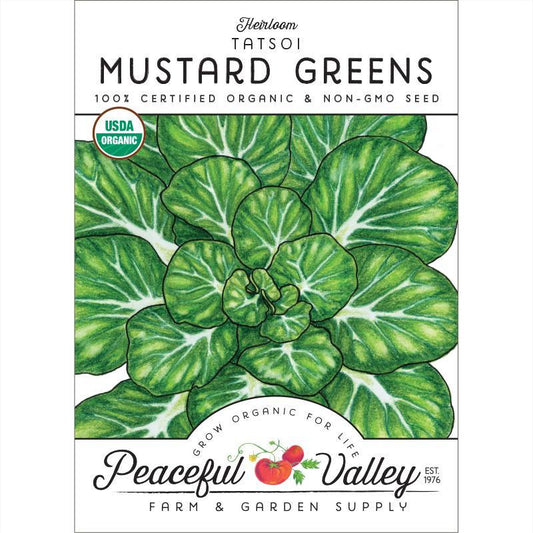
- Mustard Tatsoi Greens Seeds (Organic) are perfect for gardeners who enjoy tender, spoon-shaped leaves with a mild flavor. They are excellent for salads and quick cooking.
- Organic Yellow Mustard is a versatile variety that can be grown for fresh greens or as a cover crop to improve garden soil.
- Organic Greens, Mustard Tatsoi (1/4 lb) is a great option for larger garden beds or gardeners who plant successions throughout the season.
- Organic Greens, Mustard Mizuna (1/4 lb) produces finely cut leaves with a mild, slightly spicy flavor that blends well with other salad greens.
If you're planning a cool-season garden, Grow Organic's guide on What to Plant in Your Winter Garden offers helpful planting ideas.
Gardeners who want healthy soil can also learn how mustard works as a cover crop in Grow Cover Crops in the Summer. For seasonal planting advice, the September Gardening Checklist is another useful resource. If you're looking for more ideas on harvesting fresh greens, Grow Organic's Growing Gourmet Salad Greens video provides helpful tips for growing and picking leafy crops.
Conclusion
Mustard greens are easy to grow, quick to harvest, and a great addition to any vegetable garden. Whether you're learning what mustard greens are or exploring different mustard green varieties, these fast-growing plants offer plenty of options for home gardeners.
Known for their fresh, peppery flavor, mustard greens are enjoyed in salads, cooked dishes, and traditional soul food recipes alongside turnip greens. Varieties like brown mustard are especially valued for their bold flavor and versatility in the kitchen.
While fresh mustard greens are often available at farmers markets and the grocery store, growing your own is a convenient way to enjoy flavorful, homegrown greens. With many varieties to choose from, it's easy to find one that suits your taste and growing conditions.
FAQs About What Are Mustard Greens?
What vegetables are considered mustard greens?
What is another name for mustard greens?
Grow brassicas from seed
Turn this topic into a planting plan with our brassica seed growing guide, which covers sowing windows, transplant timing, spacing, and pest prevention. Explore the wider vegetable seed collection when choosing cool-season crops.