When to Plant Spinach: Best Seasons, and Spacing for Maximum Yields
Fresh spinach is one of the easiest vegetables to grow at home. This nutritious leafy green grows quickly, takes up very little space, and produces delicious spinach leaves for salads, smoothies, and cooked meals. Gardeners can also explore other leafy greens, such as the longevity spinach plant, for a continuous supply of fresh harvests.
The secret to growing healthy spinach is planting it at the right time. Because spinach prefers cool weather, choosing the correct spinach season and giving plants enough room to grow can make the difference between a long harvest and plants that bolt too early.
In this guide, you'll learn when to plant spinach, how to plant spinach, the best spinach spacing, and simple growing tips that help beginner gardeners enjoy a productive crop.

When to Plant Spinach
Knowing when to plant spinach is the first step toward a successful harvest.
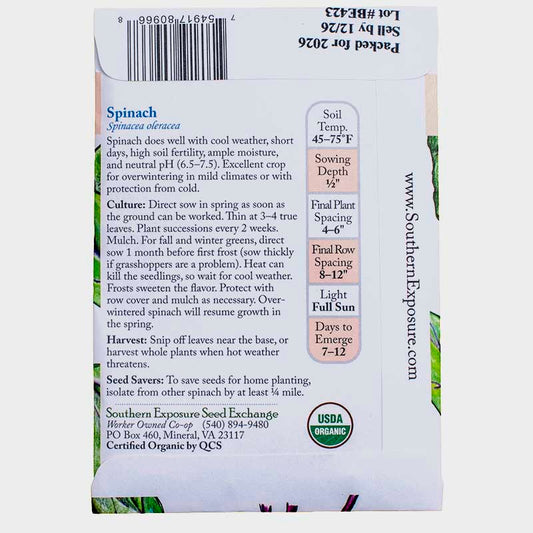
Spinach grows best during spring and fall, when daytime temperatures stay between 45°F and 70°F. Cool temperatures encourage leafy growth, while warm weather causes plants to send up a flowering stalk, a process known as bolting. Once spinach bolts, the leaves become tougher and develop a more bitter flavor.
For most gardens, sow spinach seeds as soon as the soil can be worked in early spring. You can also plant another crop in late summer for a fall harvest.
If late frosts are expected, cover young plants with a row cover or grow them inside a cold frame to protect new seedlings.
If you're wondering spinach when to plant, remember this simple rule: plant early enough for the crop to mature before hot weather arrives.
How to Plant Spinach
Learning how to plant spinach is easy, making it one of the best vegetables for new gardeners. Choose a location that receives full sun during cool months. In areas with warmer springs, light partial shade during the afternoon helps extend the harvest.
Before planting spinach, work compost or other organic matter into the soil. Spinach grows best in loose, fertile soil that drains well while staying evenly moist.
If you're asking how do you plant spinach, follow these steps:
- Loosen the soil 8 to 10 inches deep.
- Remove rocks and large clumps.
- Sow seeds about ½ inch deep.
- Cover the seeds lightly with soil.
- Water gently and keep the soil moist until seedlings appear.
Most seeds germinate within 7 to 14 days, depending on soil temperature.
How to Plant Spinach Seeds
For the best results, learn how to plant spinach seeds by sowing them directly into the garden. Spinach dislikes having its roots disturbed, so direct seeding usually works better than transplanting nursery-grown seedlings.
If you do buy young plants, handle the roots carefully when learning how to plant spinach plants. If you're wondering how to plant spinach in a pot, the same principle applies—sow seeds directly into a container with well-drained potting mix, as spinach generally establishes better from direct seeding than from transplants.
For a longer harvest, sow a small amount of seed every two weeks throughout the spinach growing season. This succession planting method provides a steady supply of fresh leaves instead of one large harvest all at once.

Spinach Spacing for Healthy Plants
Good spinach spacing helps every plant receive enough sunlight, water, and air circulation.
Proper spacing also lowers the risk of downy mildew, a common disease that develops when leaves stay wet for long periods.
Many gardeners ask about planting spinach spacing, spinach plant spacing, spacing for spinach plants, how far apart to plant spinach, and the correct spinach planting distance.
A simple spacing guide is:
Baby Spinach
- Sow seeds about 1 inch apart.
- Thin seedlings to 2 to 3 inches apart.
Mature Plants
- Leave 4 to 6 inches between plants.
- Space rows 12 to 18 inches apart.
Following these spacing recommendations gives plants room to develop healthy roots and full-sized leaves.
Care for Spinach After Planting
Once your spinach begins to grow, a few simple care practices will keep the plants healthy and productive throughout the season.
Water Consistently
Spinach has shallow roots, so it needs regular watering. Keep the soil moist, but avoid soggy soil, which can lead to root problems. Adding a light layer of mulch helps the soil stay cool and reduces water loss.
Feed the Soil
If you mixed compost or other organic matter into the soil before planting, spinach usually has enough nutrients to grow well. In poor soils, a balanced organic fertilizer can encourage steady leaf growth. Avoid overfeeding with nitrogen because excessive fertilizer may reduce flavor and encourage overly soft growth.
Keep the Garden Clean
Pull weeds while they are small so they do not compete with spinach for water and nutrients. Healthy, weed-free beds also improve airflow around plants.

Common Growing Problems
Spinach is easy to grow, but a few common problems can reduce your harvest.
Bolting
Bolting happens when warm weather or longer days cause spinach to produce a flowering stalk. Once this happens, the leaves become smaller and more bitter.
To slow bolting:
- Plant during spring and fall.
- Water regularly during dry weather.
- Give plants afternoon shade if temperatures rise.
- Choose slow-bolting spinach varieties.
Downy Mildew
Downy mildew is one of the most common spinach diseases. It causes yellow spots on the tops of leaves and gray or purple growth underneath.
Reduce the risk by:
- Following proper spinach spacing.
- Watering at the base of the plant.
- Avoiding overhead watering late in the day.
- Growing resistant varieties whenever possible.
When to Harvest Spinach
One benefit of planting and growing spinach is that it produces a harvest quickly. Most varieties are ready in about 35 to 50 days, while baby leaves can often be picked in just 20 to 30 days. Harvest the older outer leaves first and leave the center of the plant growing. This allows the plant to continue producing new leaves for several weeks.
You can also cut the entire plant about 1 inch above the soil. If temperatures remain cool, some plants will grow a second crop of leaves. Harvest regularly because young leaves have the best flavor and texture.

Tips for Maximum Yields
A few simple habits can help you harvest spinach for a longer period.
- Sow a new row every two weeks during the spinach growing season.
- Thin crowded seedlings early.
- Water consistently to keep the soil evenly moist.
- Grow spinach in raised beds if your garden has heavy or poorly drained soil.
- Protect young plants with a row cover during unexpected cold snaps.
-
When summer arrives, replace traditional spinach with Malabar spinach, which thrives in hot temperatures.
Featured Spinach Seeds from Grow Organic
Choosing the right variety can improve both your harvest and your growing season.
Grow Organic offers several excellent spinach varieties for home gardens:
- Beaujolais Spinach Seeds (Organic): Slow to bolt and an excellent choice for spring and fall planting.
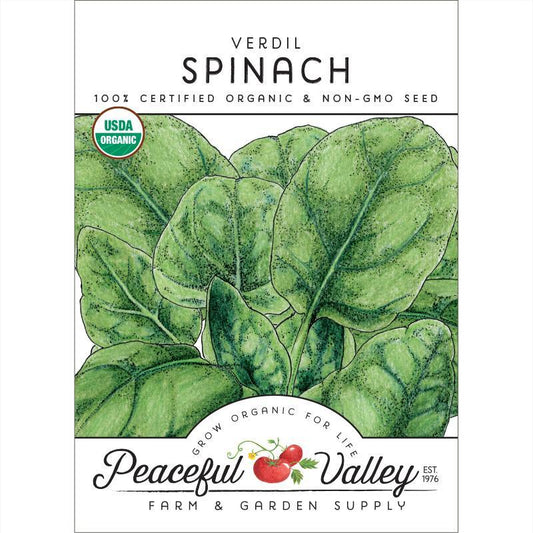
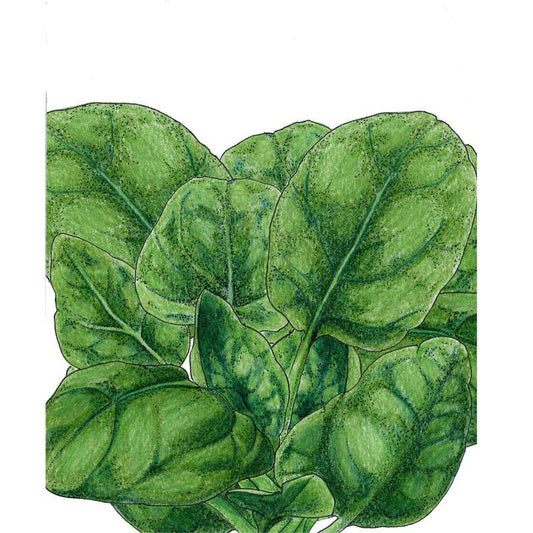
- Verdil Spinach Seeds (Organic): Reliable growth with tender, flavorful leaves.
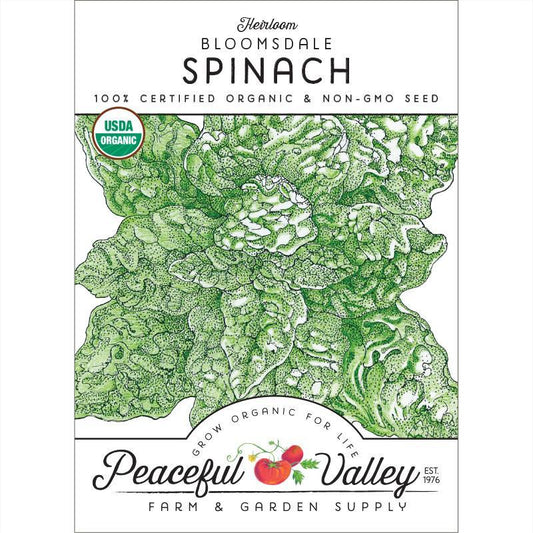
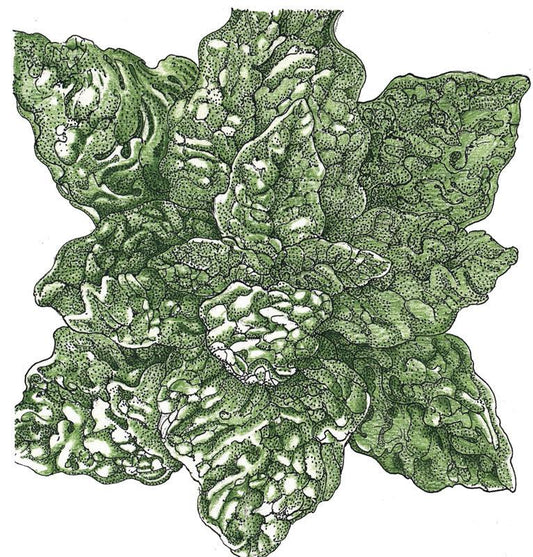
- Bloomsdale Spinach Seeds (Organic): A classic heirloom known for its dark green, crinkled leaves.
- Space Spinach Seeds (Organic): Fast growing and well suited for succession planting.
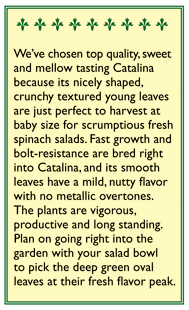
- Catalina Baby Leaf Spinach Seeds: Perfect for harvesting young, tender leaves.
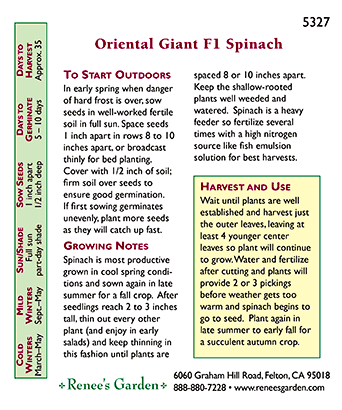
- Oriental Giant Japanese Spinach Seeds: Produces large, vigorous plants with excellent flavor.
- Malabar Spinach Seeds (Organic): A great alternative for gardeners who want leafy greens during summer.
Browse the Spinach Seeds Collection to compare varieties for your garden.
If you're deciding which leafy greens to grow, read Chard vs. Kale vs. Spinach: Leafy Greens Comparison Guide. After harvesting, you can also enjoy fresh spinach in this Spinach Sage Pesto recipe.
Conclusion
Knowing when to plant spinach gives your garden the best chance for success. By planting during cool weather, providing the correct spinach spacing, and keeping the soil healthy, you can grow tender, flavorful leaves throughout the season.
Whether you're growing spinach in the ground, in raised beds, or learning how to plant spinach in containers, the same basic principles apply. Plant at the right time, water consistently, harvest often, and avoid letting plants bolt. With just a little care, spinach rewards gardeners with one of the earliest and most productive harvests of the year.
FAQs About When to Plant Spinach
When should you plant spinach in different hardiness zones?
Can I grow spinach all year round?
Does spinach like sun or shade?
When should you start planting spinach?
Can spinach be planted anytime?