Finding larvae or feeding tunnels in apples, pears, or walnuts can indicate codling moth. This video introduces a layered orchard-management approach built around monitoring, sanitation, fruit protection, and correctly timed treatments.
What the video demonstrates
- Recognizing common fruit damage and confirming the pest
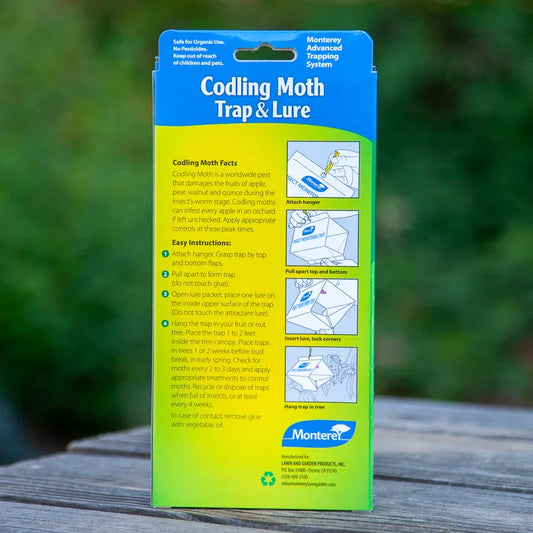
- Using pheromone traps to monitor adult activity
- Removing infested and fallen fruit
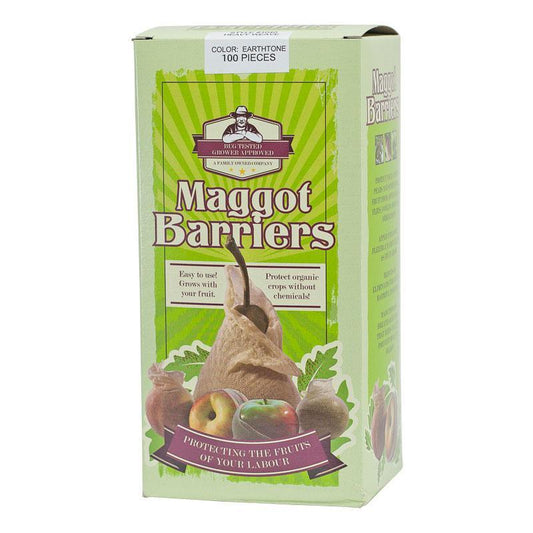
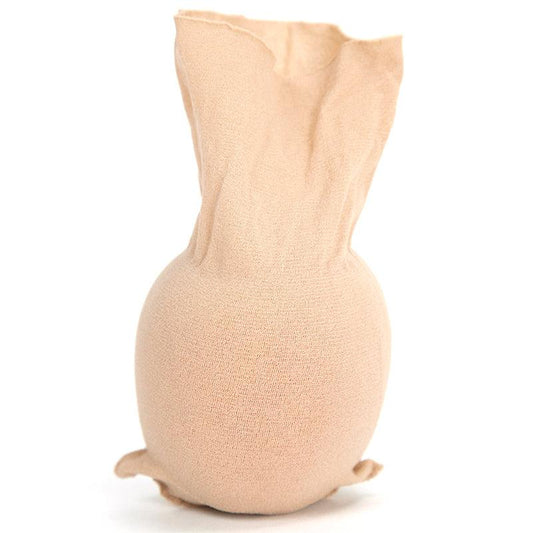
- Protecting individual fruit with barriers where practical
- Timing any labeled treatment before larvae enter fruit
Monitoring is not the same as control
A standard pheromone trap primarily shows when male moths are active. Trap catches can help establish a local biofix and guide follow-up monitoring, but a few traps should not automatically be treated as population control or mating disruption.
Follow the label
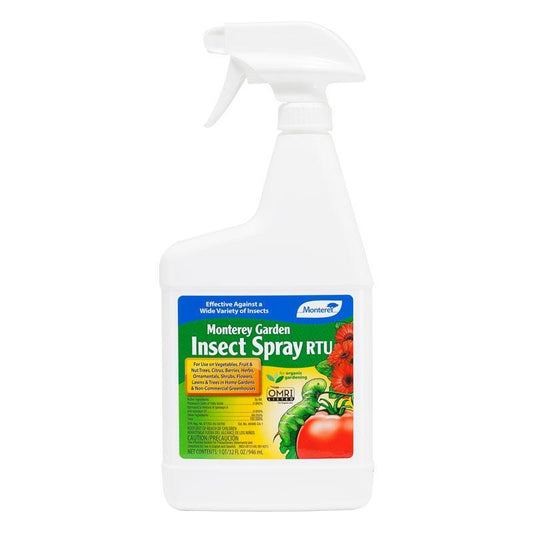
If a pesticide or biological insecticide is used, the label controls the crop, target pest, rate, application timing, interval, protective equipment, harvest restrictions, and environmental precautions. Avoid treating open bloom or foraging pollinators unless the label specifically allows it and every precaution is met.
Use the detailed codling moth integrated-management guide for the full plan, or learn specifically about codling moth granulosis virus.
Compare monitoring and control tools
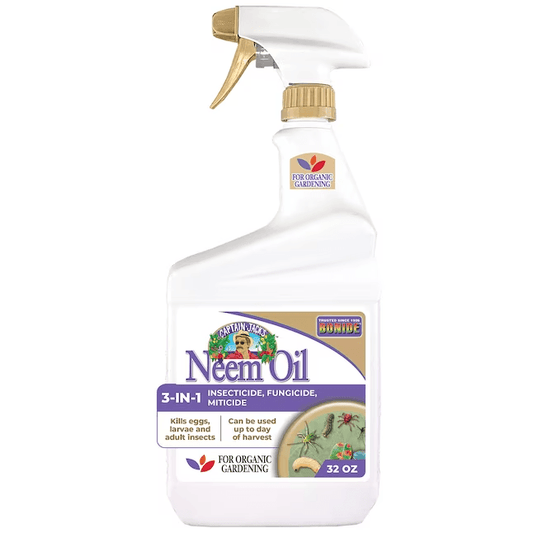
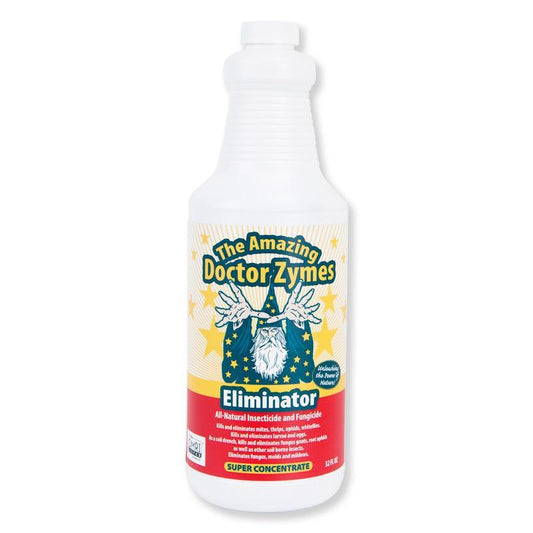
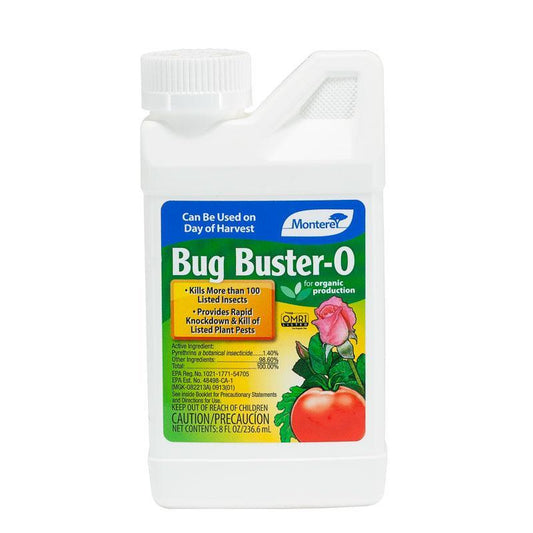
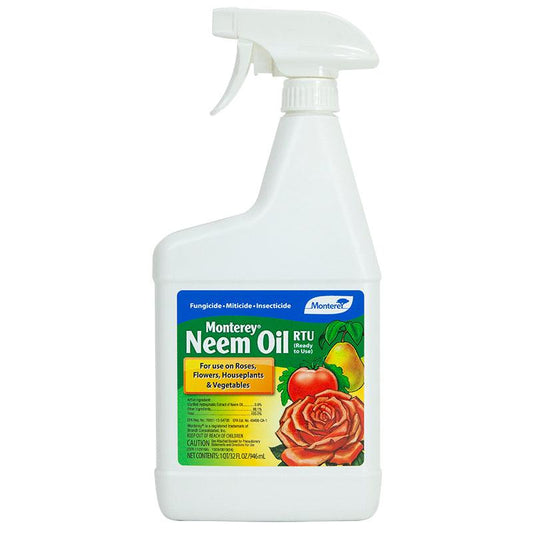
Shop codling moth traps, lures, barriers, and labeled controls.
Related Pest Control Resources
Content role: Supplementary · Topic: Codling moth & apple worms
- Worms in Apples: Tips for Dealing with a Worm in Apple and Preventing Apple Worms
- Pest Control Solution Chart
- Browse Insect Control products
- Choosing the Right Apple Tree fruit-tree guide
Identify the pest or problem first. For pesticides, repellents, traps, and biological controls, confirm that the current label or directions cover the target site and pest. Follow all directions and precautions.