
Collection: Mycorrhizal Inoculants
Match fungal type and formulation to the plant, root zone, and application method.

-

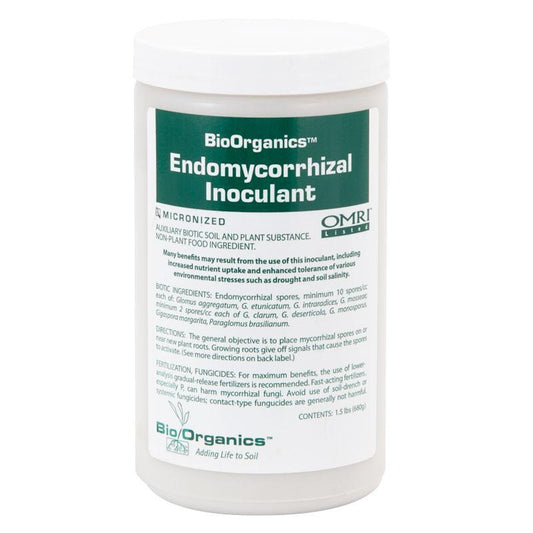
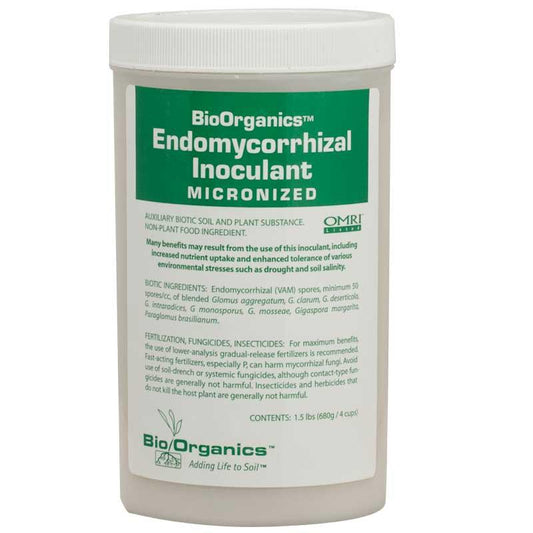
Bio/Organics Endomycorrhizal Inoculant (1.5 lb)
Regular price $49.99Sale $49.99Unit price per -
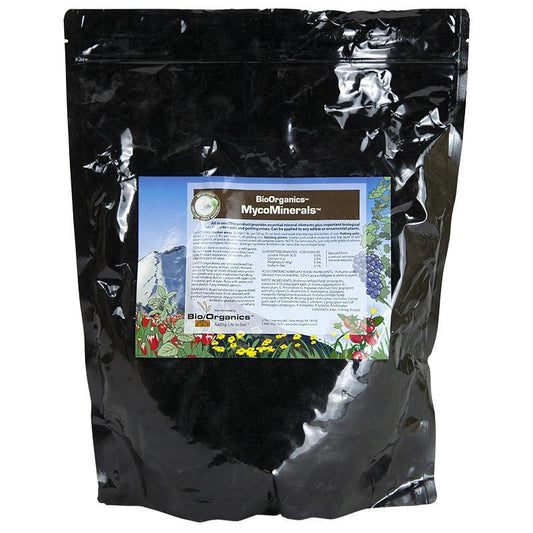
MycoMinerals Soil Amendment (4 lb bag)
Regular price $30.99Sale $30.99Unit price per -
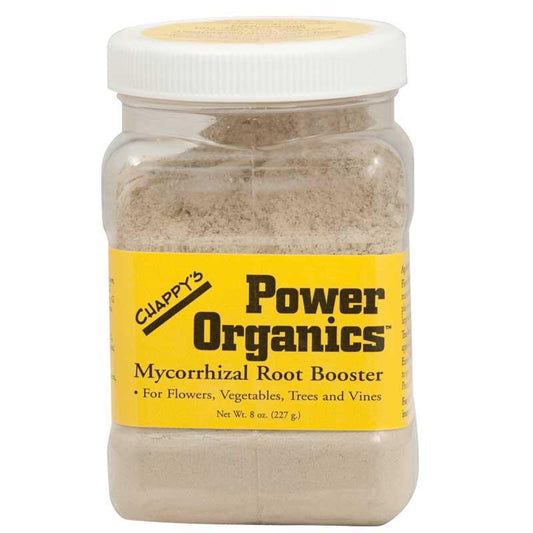
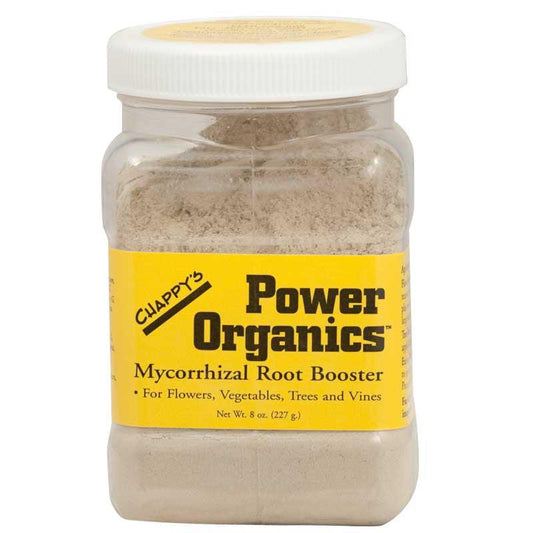
Chappy's Power Organics Mycorrhizal Root Booster (8 Oz)
Regular price $32.99Sale $32.99Unit price per -

Bio/Organics Endomycorrhizal Inoculant (3 lb)
Regular price $83.99Sale $83.99Unit price per -

Plant Success Granular Mycorrhizae (1 lb)
Regular price $21.99Sale $21.99Unit price per -
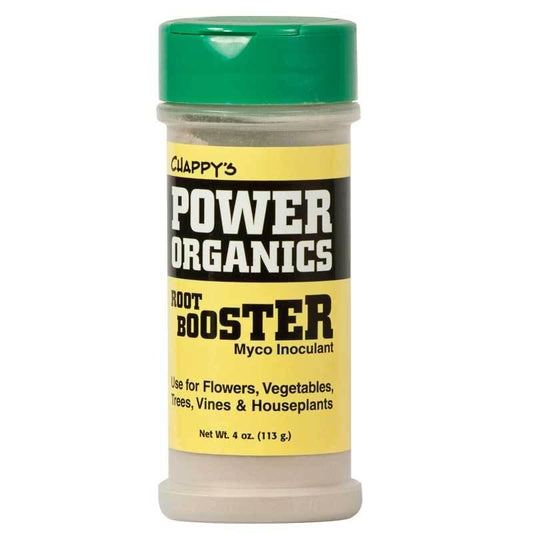
Chappy's Power Organics Mycorrhizal Root Booster (4 Oz)
Regular price $24.99Sale $24.99Unit price per -
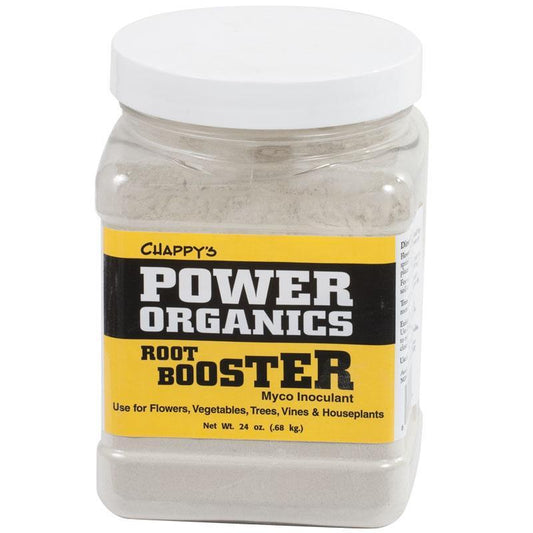
Chappy's Power Organics Mycorrhizal Root Booster (24 Oz)
Regular price $64.99Sale $64.99Unit price per -

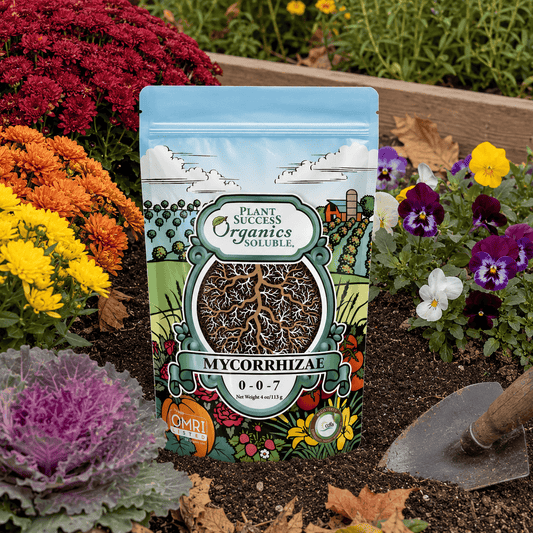
Plant Success Soluble Mycorrhizae (4 oz)
Regular price $28.99Sale $28.99Unit price per -

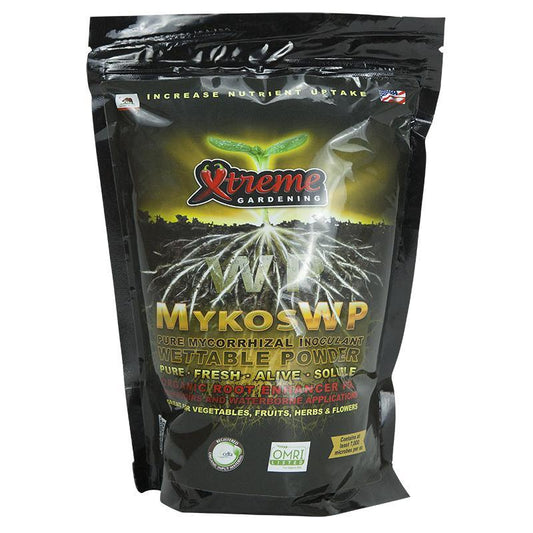
Mykos Mycorrhizae WP (12 oz)
Regular price $24.99Sale $24.99Unit price per -

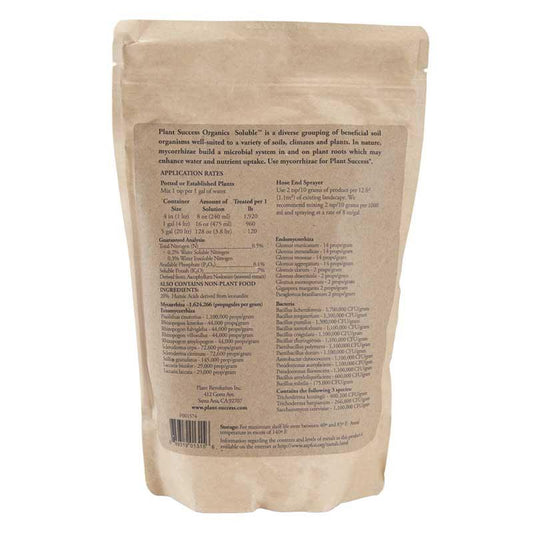
Plant Success Soluble Mycorrhizae (1 lb)
Regular price $82.99Sale $82.99Unit price per -

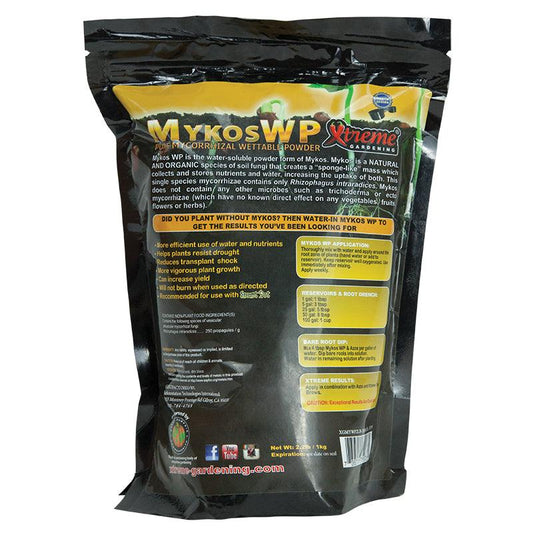
Mykos Mycorrhizae WP (2.2 lb)
Regular price $65.99Sale $65.99Unit price per -

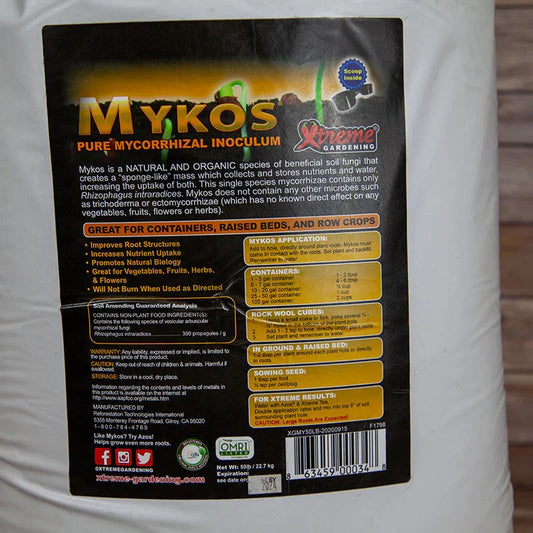
Mykos Mycorrhizae Granular (50 lb)
Regular price $427.99Sale $427.99Unit price per -

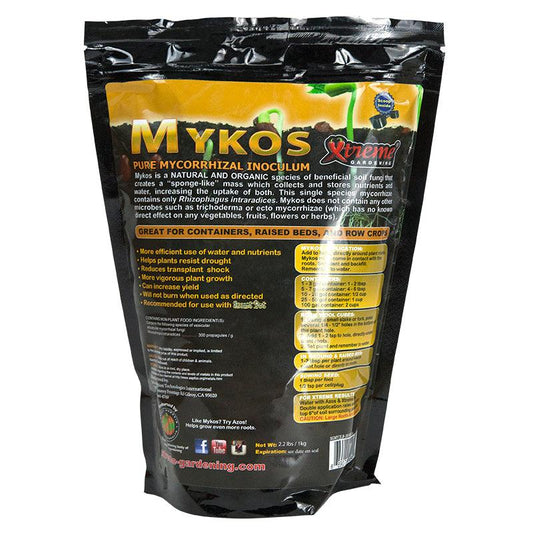 Sold out
Mykos Mycorrhizae Granular (2.2 lb)
Regular price $35.99Sale $35.99Unit price per -
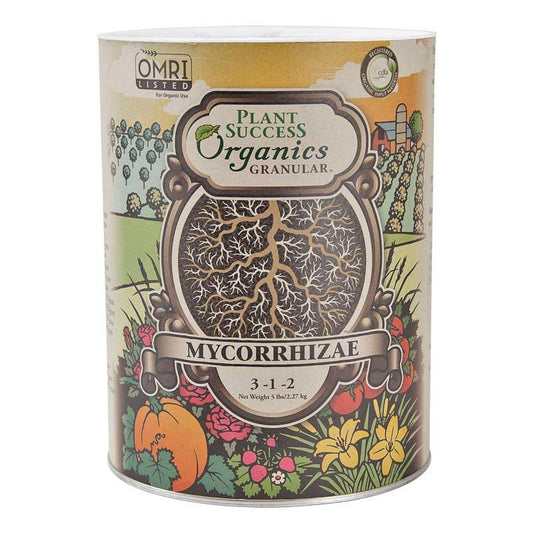 Sold out
Plant Success Granular Mycorrhizae (5 lb)
Regular price $115.99Sale $115.99Unit price per


Collection: Increase Your Soil Biology
Mycorrhizal inoculants introduce compatible fungi close to living roots. Product formulations differ by fungal type, species, carrier, concentration, application method, and whether other microbes or nutrients are included, so select from the verified product details rather than treating every inoculant as interchangeable.
Choose by Formulation and Application
- Granular products: Place in planting holes, seedbeds, or growing media as directed so the granules contact roots.
- Soluble powders: Mix for a root-zone drench, transplant treatment, seed treatment, or compatible irrigation use at the package rate.
- Concentrated root boosters: Apply directly to transplant roots or into the established root zone according to the product directions.
- Mineral and nutrient blends: Account for their additional ingredients and nutrient analysis in the wider soil or fertility program.
Match the Fungi to the Plant
Endomycorrhizal and ectomycorrhizal fungi do not serve identical plant groups. Check the organism list and crop compatibility for the specific product. These root-zone fungi also serve a different purpose from the Rhizobium bacteria used to coat compatible legume seed.
Application, Compatibility, and Storage
Root contact is important. Follow the product-specific rate, timing, storage, shelf-life, and compatibility directions. Review fungicide and tank-mix compatibility before combining a living fungal product with other treatments.
Read how mycorrhizal inoculants interact with compatible roots, compare legume seed inoculants, or browse supporting soil amendments.
Compare Before You Apply
Use Mycorrhizal Inoculants: Benefits, Types and How to Apply to compare host compatibility, endo and ectomycorrhizae, granular and soluble formulations, root-contact methods, storage, fertility, and treatment compatibility. For a broader comparison with rhizobia and bacterial products, read Microbial Inoculants: Types, Uses and How to Choose.