Tomato Hornworm Treatment and Product Choices
Identify the caterpillar and the damage before you shop for tomato hornworm control products. This collection includes ready-to-use and concentrate formats for listed garden pests. Product labels differ, so check that the exact label covers tomatoes, the pest, and the setting where you intend to use it.
Check the plant before choosing a product
Look for the caterpillar, missing leaves, and fresh droppings on or below the tomato plant. Use a guide to identify the pest if you are unsure. Our tomato hornworm video is a place to start. Start with fresh damage. Check the stems and both sides of nearby leaves, then note whether other tomato plants show the same signs. Take note of how many plants are affected and how close you are to harvesting fruit.
Compare ready-to-use and concentrate sizes
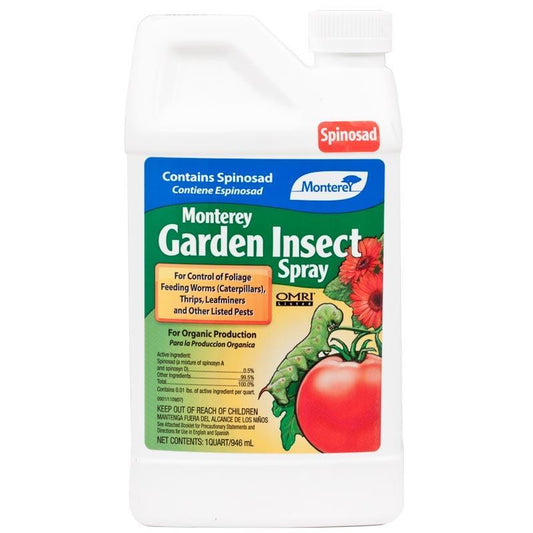
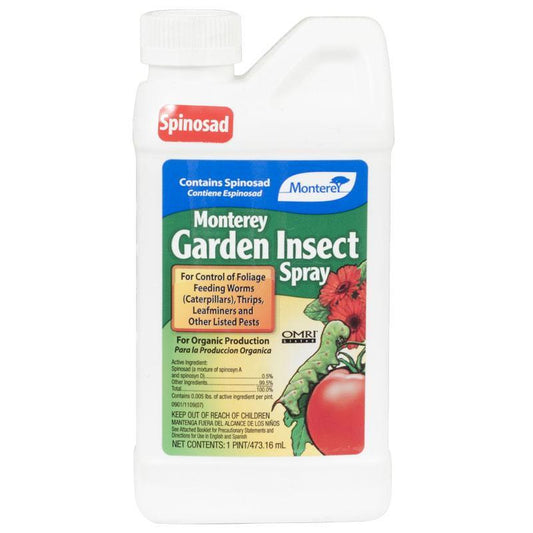
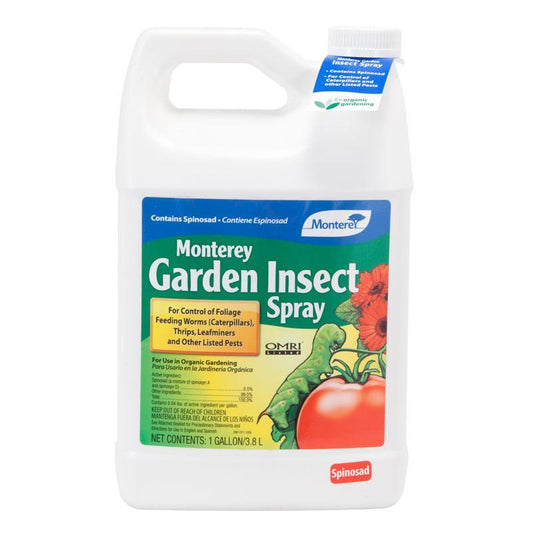
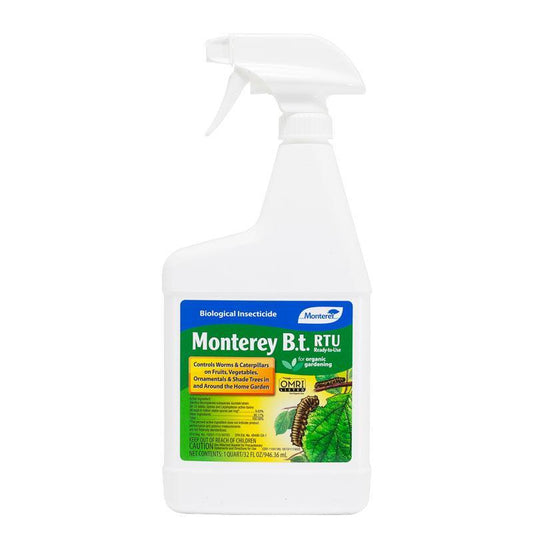
This collection includes Monterey Ready to Use B.t. in a quart, Monterey B.t. concentrate in a gallon, and Monterey Garden Spray Concentrate in pint, quart, and gallon sizes. Compare the current labels for the insect, crop, and application timing. If a ready-to-use label fits a small planting, compare its package size with the area you need to cover. If you are considering concentrate, read the mixing, equipment, storage, and disposal directions before buying.
Check timing and harvest directions
Read the label for its directions on pest stage, timing, and when you can pick fruit after an application. Product names alone do not give you that information. When two labels list the same crop, compare what each says about the target pest and any conditions that restrict use. Check the precautions for blooming plants and other organisms where the label includes them.
Choose for the size of the planting
Write down how many plants you have, how much space they occupy, and where you saw damage. Use the label directions to compare sizes after you identify a product that fits. If you grow other vegetables nearby, check which crops are listed before using the same product elsewhere in the garden. Keep the package instructions and the date with your garden notes.
Follow up on the affected plants
Set a time to check the same plants again. Look for fresh feeding or new caterpillars and compare what you find with your first notes. If you are still deciding what to buy, check the product directions for when to use it and when to look again. If you do not recognize the new damage, identify the problem before changing your treatment.
Decide whether a spray belongs on your list
Check a few plants before deciding how much of the garden needs attention. A small group of affected plants is a different job from a long row. UC IPM’s hornworm guide describes feeding damage and why the stage of the caterpillar matters when choosing a treatment. Use identification information to confirm what you see, then follow the label for the product you buy.
Compare packs with the product directions in hand
A ready-to-use quart and a concentrate can look similar on a shelf. Check the formulation on the package. If you will use a separate sprayer, confirm what the directions require and whether you have that equipment. If you grow tomatoes in more than one bed, keep a record of which bed and crop the product is for. Before checkout, compare the current label with the harvest date you expect for that bed.








 Sold out

 Sold out
 Sold out


