

Introduction
Lift a flowerpot or move damp mulch, and you may find a garden centipede, millipede, sowbug, or roly-poly. These creatures may look alarming, but most are helpful garden residents.
Centipedes and millipedes are myriapods. Pill bugs and sowbugs are land-dwelling crustaceans. None are insects.
Many live in damp soil, leaf litter, or a compost pile, where they find food and shelter.

Centipedes: Helpful Garden Predators
What are centipedes? They are long, flat arthropods with one pair of legs on each leg-bearing body segment. They hunt insects, spiders, and other small animals.
Are centipedes good for gardens? Usually, yes. Garden centipedes are natural predators that help limit some pest populations.
If you wonder what are centipedes good for, their main role is hunting other arthropods.
Questions such as centipedes in garden good or bad, are centipedes good for plants, and are centipedes good for the garden have similar answers: they usually help rather than harm.
Do centipedes eat plants? No, living plants are not their normal food. Therefore, are centipedes bad for plants? Usually not.
Learn more about true bugs and other garden insects.
How to Identify These Garden Arthropods
Some bugs that look like centipedes are actually millipedes. A fat centipede looking bug that moves slowly and curls into a coil may be a millipede.
An insect looks like centipede search can be misleading because centipedes are not insects.
Many species are soil dwelling and hide beneath leaves, stones, or mulch.
There is no single garden centipede scientific name because gardens contain different species. Stone centipedes, for example, belong to Lithobiomorpha.
A red garden millipede also needs closer identification because color alone cannot confirm its species.
Centipedes vs. Millipedes vs. Sowbugs vs. Roly-Polys
| Arthropod | Appearance | Main Food | Garden Role |
|---|---|---|---|
| Centipede | Flat body; one leg pair per leg-bearing segment; fast | Small arthropods | Helpful predator |
| Millipede | Rounded body; two leg pairs on most middle segments; slow | Decaying plants | Decomposer; occasional seedling pest |
| Pill Bug (Roly-Poly) | Oval body; seven leg pairs; rolls into a ball | Decaying matter | Decomposer; occasional pest |
| Sowbug | Flat, oval body; seven leg pairs; visible tail-like parts | Decaying matter | Decomposer; occasional pest |
Key takeaway: Centipedes hunt small animals. Millipedes, pill bugs, and sowbugs mainly break down dead plant material.
Are Millipedes Harmful?
Are millipedes bad for plants? Usually not. They feed mainly on dead leaves, rotting wood, and other organic matter.
However, do millipedes eat plants? Sometimes. They may damage tender seedlings, especially in damp conditions.
If problems occur, reduce excess moisture and remove unnecessary hiding places. Review millipede control options only when needed.

Roly-Polys and Sowbugs
What is a rolly polly? A roly-poly, or pill bug, is a small crustacean with seven pairs of legs. It rolls into a ball when disturbed.
Search terms such as long roly poly, long rolly polly, long rollie pollie, and roly poly centipede may describe unfamiliar animals, but true pill bugs are not centipedes.
The sow bug vs roly poly difference is simple. Pill bugs roll into balls, while sowbugs generally cannot. Sowbugs also have two tail-like projections.
Sow bugs in garden areas mainly eat decaying material. Both groups may occasionally damage seedlings or soft fruit touching damp soil.
Centipedes Around the House
House centipedes have long legs and move quickly. Adults usually have 15 pairs of legs.
Where do centipedes live indoors? They prefer damp areas such as bathrooms, basements, and crawl spaces.
They hide in cracks and crevices and hunt other arthropods.
Their life cycle includes several molts as young centipedes grow into adults.
Managing Large Populations
Most garden arthropods do not need treatment. Follow Integrated Pest Management principles:
- Identify the animal before taking action.
- Check for actual plant damage.
- Reduce excess moisture and unnecessary debris.
- Protect vulnerable seedlings.
- Seal openings around buildings.
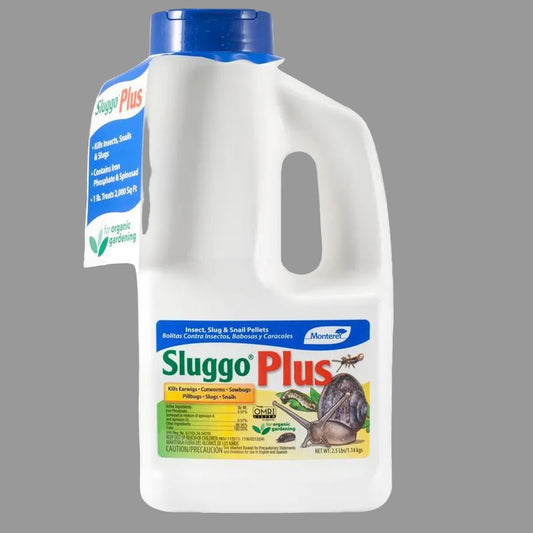
If control is needed, consult the Pest Control Solution Chart, insect-control products, or natural and organic pesticides.
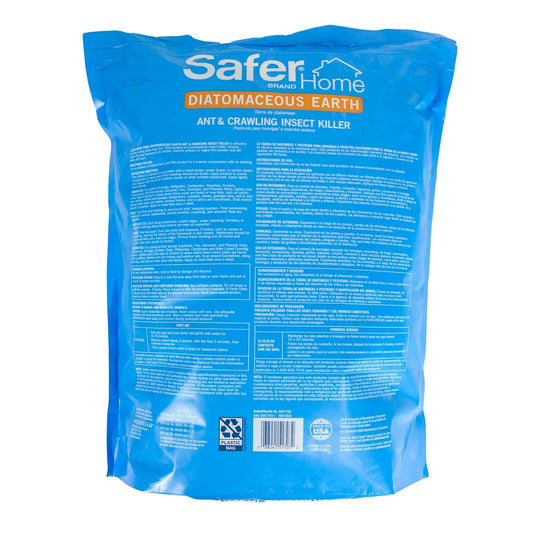
Use diatomaceous earth only when its label permits the intended use.
Encourage beneficial insects with hedgerows and flowering plants.
For other pests, see tree pest control and vole management.
Conclusion
Centipedes, millipedes, pill bugs, and sowbugs are mostly helpful garden residents. Centipedes hunt other arthropods, while the others break down dead organic matter.
Some may occasionally damage seedlings, but their presence alone does not justify treatment. Identify the animal and check for damage first.














2 comments
The second year I had my greenhouse, it became over populated with pill bugs, sow bugs and fat bodied spiders. I acquired 6 free quail at Christmas and by spring time they had cleaned it out. No more huge spider webs or bugs eating the seedlings. Problem solved.
Pill bugs sow bugs and millepedes do eat seedlings and can kill older plants when they eat the roots that then rot. I have put out loosely covered bowls of cheap beer, under spot if shade is best. Some drown. the millepedes mostly I scoop up by hand and toss in the trash. Another method is to have a small pile of excess but not diseased greens chopped small left on top of damp soil or light covering of soil on top . You can pick out the bugs or scoop up the whole little pile. Let those things help at the dump. I’ve lost too many seedlings and plants to them. Some gardeners have found them munching 3 ft up on shaded plants! If you want a helpful critter to break down plant material buy some worms that do not love to eat seedlings and plant roots.