How to Harvest Kale So It Keeps Growing: How Cultivating Kale Can Stay Productive
Kale is an easy to grow leafy green that can provide repeated harvests instead of one large crop. The trick is knowing how to harvest kale so it keeps growing. Pick mature outer leaves and leave the younger center leaves and growing point intact. The plant can then keep producing fresh foliage through much of the growing season.
Whether you are growing kale in raised beds, containers, or traditional vegetable gardens, careful harvesting can help one healthy plant stay useful for months.
Note: Planting and harvest timing varies by climate. The spring, fall, frost, and winter recommendations in this guide generally apply to temperate growing regions. Gardeners in warmer climates should adjust planting dates according to local temperatures and the variety's heat tolerance.

When to Harvest Kale
Knowing when to harvest kale depends partly on how you want to use it. Young leaves are tender enough for salads, while larger leaves work well stir fried, in soups, or baked into kale chips.
So, when to pick kale for repeated harvests? Start harvesting once the leaves are large enough to use. Instead of stripping the plant, take a few of the oldest outer leaves from the bottom.
Kale handles cold weather well, and many cold-hardy varieties can continue producing after light frost. Cool temperatures, including light frost, can also improve kale's flavor and make it taste sweeter.
How to Harvest Kale So the Plant Keeps Growing
If you're learning how to pick kale, begin at the bottom of the plant. Use clean scissors or pruners, or carefully snap off mature leaves where their stems meet the main stalk.
How is kale harvested for continuous production? Leave the central growing point and several younger leaves untouched. This is also the simple answer to how do you pick kale without ending the harvest. Removing or damaging the central growing point can reduce the plant's normal production of new leaves, although some kale plants may respond by producing side shoots.
Regular harvesting also helps prevent leaves from becoming overly mature, tough, or less tender.
What If Kale Starts Flowering?
Kale is generally a biennial plant, meaning it typically flowers after overwintering and completing its vegetative growth. Kale flowering typically occurs after the plant has matured and overwintered, although environmental conditions can influence when it begins to flower.
As kale begins producing a flowering stalk, the plant shifts toward reproduction, and the leaves may become tougher or less desirable. However, young flower buds and shoots can also be harvested and eaten. If the leaves are becoming tough or the plant is no longer producing useful foliage, harvest the remaining edible leaves and consider planting a new crop.

Planting Kale for a Longer Harvest
Successful cultivating kale starts before harvest. For kale planting, choose fertile, well-drained soil and a sunny location. Kale grows best in full sun, although protecting plants from excessive heat can help maintain leaf quality.
Gardeners asking how to plant kale or how do i plant kale can either plant seeds directly or transplant healthy kale seedlings. When to plant kale varies by climate.
In temperate regions, early spring and late summer are common planting periods for cool-season crops, but gardeners should adjust planting dates according to local temperatures, frost dates, and the variety being grown.
A row cover can help protect young plants from insect pests. Consistent moisture also helps the kale plant growing steadily rather than becoming stressed.
There are many kale plant types to explore. Common types of kale include curly kale, Russian types, and lacinato kale, also called dinosaur kale. If you plan to eat ornamental kale, make sure it has been grown without pesticides or other treatments that are not approved for use on edible crops.
If you plan to eat ornamental kale, make sure it has been grown without pesticides or other treatments that are not approved for use on edible crops.
Kale Varieties to Grow
Grow Organic's Kale Seeds Collection offers several varieties of kale and seeds for kale suited to home gardens.
- Red Russian Kale Seeds (Organic): Tender, deeply cut leaves suited to repeated harvesting.
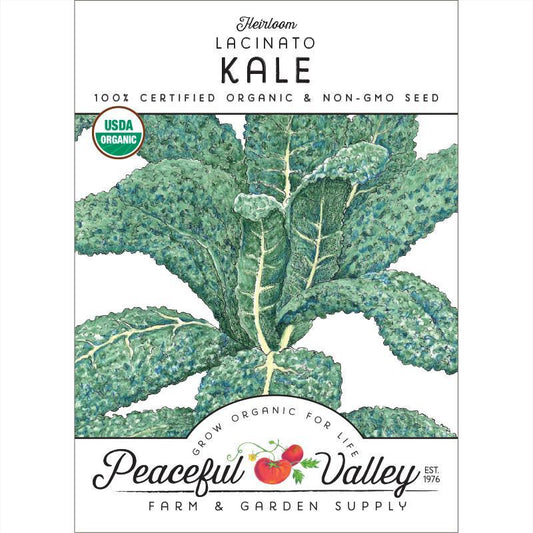
- Lacinato Kale Seeds (Organic) and Dino Kale Seeds (Organic): Classic Lacinato-type kale with long, textured leaves.
- Curly Roja Kale Seeds (Organic): Curled foliage that can also add ornamental interest.
- White Russian Kale Seeds (Organic): A Russian-type kale with tender leaves.
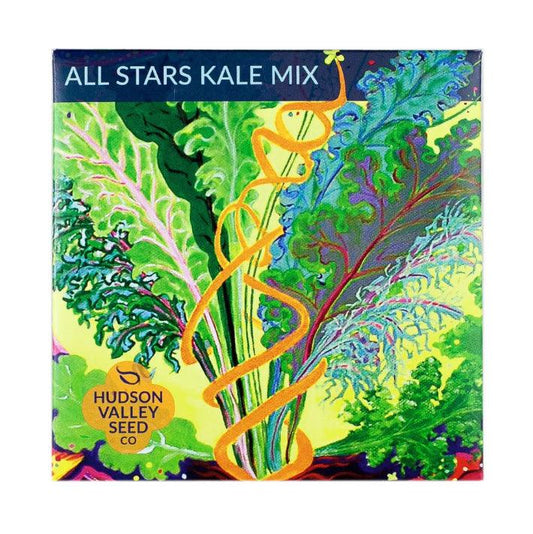
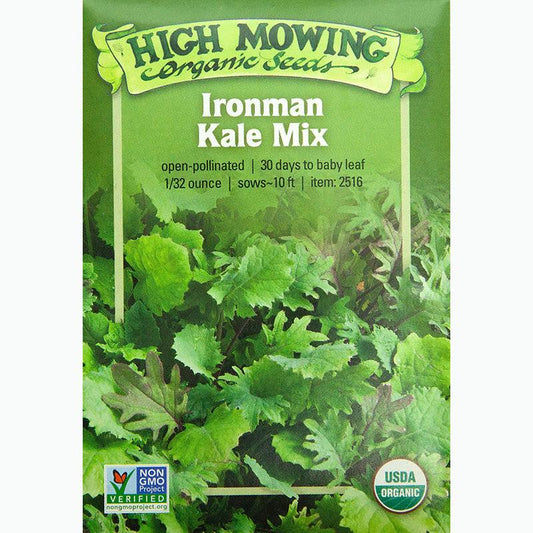
- Ironman Kale Mix, All Stars Kale, and 'Mars Landing' Specialty Kale: Useful choices for gardeners who want different colors, textures, and growth habits.
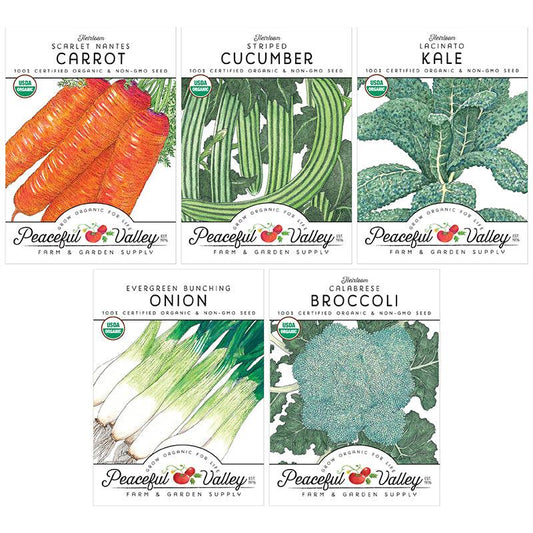
- The Organic Vegetable Collection includes Lacinato kale alongside other garden vegetables.
- The Edible Front Yard Collection both include Red Russian kale for diversified cool-season or edible-landscape planting.
For more help with kale growing, see Grow Organic's How to Grow Kale video, Kale: The Superfood of the Garden, Why Is Lacinato Kale Called Dinosaur Kale?, and Growing Dinosaur Kale in Northern California. Gardeners comparing leafy crops can also read the Chard vs Kale vs Spinach guide. Once harvest begins, try the Kale Chips or Kale & Black Bean Salad recipes.
Conclusion
Learning how to harvest kale is simple: take mature leaves from the outside and protect the young center growth. Good soil, regular moisture, cool conditions, and careful picking help the plant grow new leaves for repeated harvests.
With sensible planting kale practices and regular harvesting, one productive plant can supply fresh greens far longer than a single-cut crop.