Introduction
Two bean varieties can grow side by side yet give different results. One may produce earlier. Another may taste better or keep yielding longer.
A vegetable variety trial helps you find what works in your yard. You do not need a large plot or special tools. A few labeled plants and simple notes can guide next year’s seed order.
Fall is a useful time to review your harvest. Use those notes for vegetable garden planning while the season is still fresh in your mind.

Start With One Clear Question
Before you compare vegetable varieties, decide what matters most. Do you want earlier harvests, better flavor, or more food from the same space?
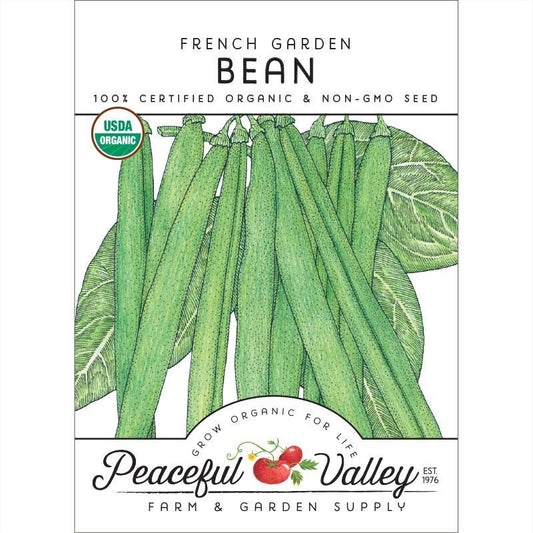
Keep your first garden experiment small. Choose one crop and two varieties with similar growth habits. Comparing two types of bush beans is easier than comparing a bush type with pole beans, which need support and use space differently.
Ordinary garden variety vegetables make useful test crops. Choose something you enjoy eating and find easy to grow.
Choose Seeds That Fit Your Space
Good seed variety selection starts with your climate and available room. Browse vegetable seeds, then check each variety’s size, harvest use, and days to maturity.
Read the guide to seed packets before choosing. The organic and heirloom seed guide also explains labels you may see.
If you search “garden small vegetables variety list,” look beyond the crop name. Some summer squash plants spread widely. Many winter squash types need substantial room and a long season.
For early spring trials, consider locally suitable cool season crops, such as lettuce or radishes. Save beans for warm soil after frost danger passes.

Give Each Variety a Fair Test
The most useful small garden ideas make plants easy to reach and care for. Choose full sun for a bean trial, with easy access to water.
Repeat Each Variety in Different Spots
Divide the trial space into two pairs of equal plots. Put both varieties in each pair. Flip a coin to decide which goes on the left, separately for each pair.
For example, grow three plants per plot. That gives six plants of each variety across two locations. Follow suitable spacing for the crop.
This is a modest home comparison, not proof that one variety is always better. More repeated plots give stronger evidence. Random placement and repetition help reduce location bias, as explained in SARE’s research design guide.
Keep Care Consistent
Plant both varieties on the same date. Use the same spacing, feeding, and watering approach. If adding compost for organic matter, spread it evenly across the trial.
Label every plot. Record missing plants, pest damage, and any extra treatment. Keep companion planting outside the test plots so neighboring plants do not change the comparison.

Keep Simple Harvest Records
Your vegetable harvest records should show more than the biggest picking. Record the first harvest date, each harvest’s usable weight, and any damaged produce.
Pick snap beans while pods are tender, before seeds bulge inside. Check both varieties regularly. Overgrown pods can make a good variety seem tough. See Minnesota Extension’s bean-growing guide.
A Garden Trial Worksheet
Copy this table into a notebook. Add one row per plot at each harvest.
| Date | Variety and plot | Plants surviving | Usable harvest weight | Taste and problems |
|---|---|---|---|---|
| ___ | ___ | ___ | ___ | ___ |
Above the table, note planting dates, original plant counts, spacing, and plot area. Weigh harvests before washing, using the same units each time. Subtract the container’s weight.
Turn Notes Into Useful Results
Fictional example: Variety A produces 48 ounces from six original plants. That equals 8 ounces per original plant. Variety B produces 36 ounces from six, or 6 ounces each.
Keep failed plants in that original count, and record survival separately. Compare the same harvest period and equal areas.
Yield alone does not settle the choice. Taste, health, and harvest timing also matter in Minnesota’s seed trials.
A search for “maximizing garden vegetable production varieties” may promise a universal winner. Your own records offer a more useful answer for your conditions.
Products for a Small Trial
These products fit a simple bean comparison:
- Provider Bush Bean Seeds: One named bush variety to test.
- Tendergreen Bush Bean Seeds: A second bush variety for comparison.
- Colander Garden Trug: A harvest carrier from the harvesting equipment collection. Empty it between plots to keep samples separate.
Use This Season to Plan the Next
The best garden vegetable varieties are those that suit your space, meals, and local conditions. Keep a favorite, retest close results, and change only one main factor next time.
For home gardeners, a few careful notes can turn small vegetable garden ideas into better seed choices.
Conclusion
A small garden trial can turn simple observations into better decisions for the next growing season. By comparing varieties under the same conditions and recording yield, taste, plant health, and harvest timing, you can discover which crops perform best in your own space.
Whether you are learning how to start a small vegetable garden, testing best varieties for vegetable garden conditions, or looking for vegetable garden ideas for small spaces, keep your trials simple and consistent. A few well-labeled plants and careful notes can help you grow more of what you enjoy and make each season more productive.