

How to Prevent Codling Moths Organically (Stop Worms in Apples & Pears)
Codling moths are one of the most common pests affecting apple and pear trees. If you’ve ever cut open fruit and found a worm inside, codling moth larvae are usually the cause. These pests tunnel into developing fruit, feeding near the core and leaving apples and pears damaged and unusable.
The good news is that there are several effective methods for organic codling moth control, including monitoring traps, fruit barriers, sanitation practices, and carefully timed organic sprays. By understanding the pest’s life cycle and using an integrated pest management (IPM) approach, gardeners can significantly reduce damage while maintaining a healthy orchard ecosystem.
For a full range of solutions, explore our organic codling moth control products for fruit trees.

What Are Codling Moths?
Codling moths are small gray-brown moths that lay eggs on leaves and developing fruit of apple, pear, and walnut trees. While the adult moths are relatively harmless, their larvae cause the familiar problem of worms in apples.
After hatching, the larvae quickly burrow into the fruit to feed on the seeds and surrounding flesh. Once inside the fruit, they are protected from most treatments, which is why early monitoring and prevention are essential.
For additional research-based guidance, see the UC Integrated Pest Management codling moth pest note.
Understanding the Codling Moth Life Cycle
Successful control depends on interrupting the codling moth life cycle.
-
Egg Stage
Adult moths lay eggs on leaves or fruit shortly after bloom. -
Larval Stage
Larvae hatch and immediately tunnel into fruit, causing the most damage. -
Pupal Stage
Fully grown larvae exit the fruit and pupate under bark, in leaf litter, or in nearby soil. -
Adult Stage
Adult moths emerge, mate, and begin the cycle again. In warmer climates, multiple generations may occur each growing season.
Targeting the pest at several stages is the most effective strategy.

How to Prevent Codling Moths Organically
Monitor Adult Moths with Pheromone Traps
Monitoring moth activity helps determine when codling moths are present and when control measures should begin.
A codling moth pheromone trap uses scent lures that attract male moths. By checking the traps regularly, gardeners can detect early moth activity and better time treatments for when eggs are likely to hatch.
Tips for using traps
-
Install traps around bloom time
-
Hang traps in the upper third of the tree canopy
-
Use 1–2 traps per tree
-
Check traps weekly and replace lures every 6–8 weeks
Monitoring is the foundation of effective organic codling moth management.
You can also watch our guide on how to keep codling moth worms away organically for a visual demonstration.
Protect Fruit with Barriers
One of the simplest and most reliable organic solutions is physically protecting the fruit.
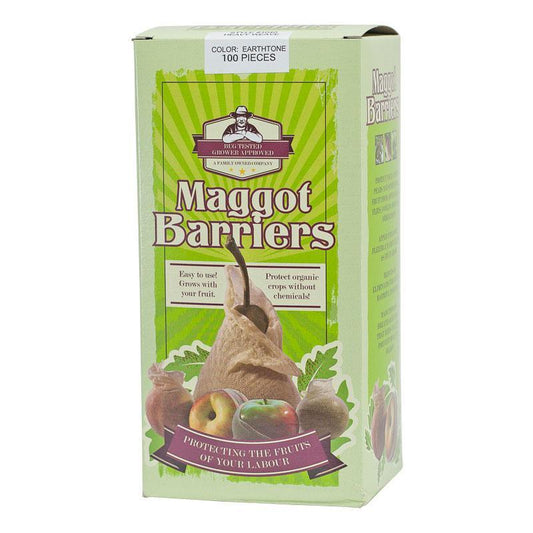
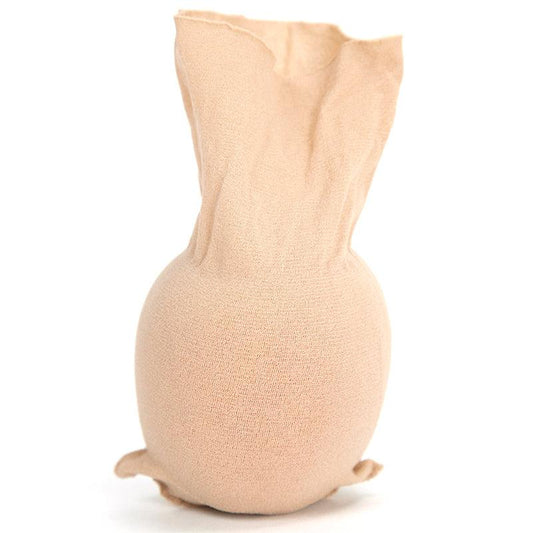
Products such as maggot barriers for apples and pears are small mesh sleeves that slip over young fruit shortly after fruit set. These barriers prevent moths and other insects from laying eggs directly on the fruit.
The mesh expands as the fruit grows while still allowing air, moisture, and sunlight to reach it.
Fruit barriers are especially useful for backyard orchards and home gardeners who want to protect individual fruits.

Use Organic Sprays to Control Young Larvae
Organic sprays can help control codling moth larvae during the brief period after eggs hatch but before the larvae enter the fruit.
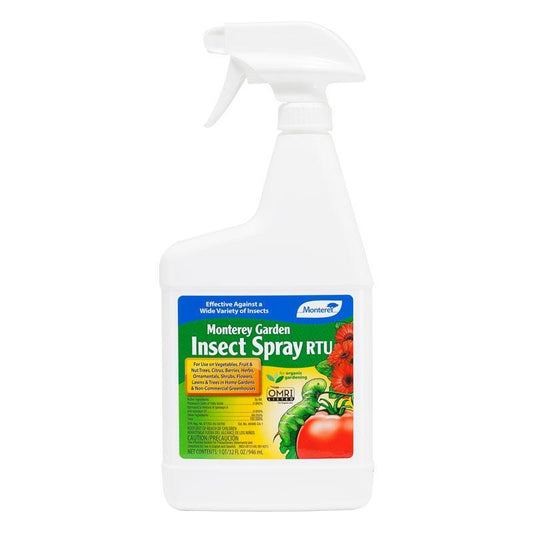
Products containing spinosad, such as organic spinosad insect spray, are commonly used in organic orchards to target caterpillar pests.
These sprays are most effective when applied at the correct time based on trap monitoring and local degree-day models.
Always follow label instructions and avoid spraying during peak pollinator activity.
Reduce Overwintering Codling Moths
Codling moth larvae often leave fruit and seek shelter under bark or in soil where they overwinter.
Reducing these populations can help prevent future infestations.
Practice Orchard Sanitation
Simple orchard cleanup can significantly reduce pest pressure.
- Remove damaged fruit from trees
- Pick up fallen fruit regularly
- Remove leftover fruit after harvest
- Clean up debris and leaf litter near trees
Encourage Beneficial Soil Organisms
Beneficial organisms can help maintain natural pest balance. Soil treatments using beneficial nematodes for garden pest control may help suppress soil-dwelling stages of various insect pests and support overall orchard health.
Why Integrated Pest Management Works
No single method will completely eliminate codling moths. The most reliable approach is an integrated strategy that combines several control techniques.
Effective organic codling moth management typically includes:
- Monitoring moth activity with pheromone traps
- Protecting fruit with barriers or fruit bags
- Using organic sprays when necessary
- Maintaining orchard sanitation
- Supporting beneficial organisms
By targeting multiple stages of the pest’s life cycle, IPM reduces damage while protecting beneficial insects and the surrounding environment.
For additional background, read our article explaining naturally occurring codling moth virus and biological controls.
Conclusion
Codling moths are a common challenge for apple and pear growers, but they can be managed effectively using organic techniques. Monitoring traps, fruit barriers, sanitation, and well-timed organic sprays all play important roles in preventing worm damage.
With consistent observation and a layered pest management strategy, gardeners can enjoy healthier trees and cleaner fruit harvests year after year.



2 comments
Eduardo, it is hard to diagnose what is causing the problem. You might be better off taking a sample of the leaves to a local nursery or Ag Extension office and see if they can diagnose the problem. Codling moths attack the fruit and not the leaves. Most likely a problem with the tree’s nutrition.
Hello! I have a small apple tree (I planted it 3 years ago) and most of the leaves seem to be sick. Is there something I can do or buy to help it?/Users/eduardohernandez/Desktop/IMG_7273.jpeg