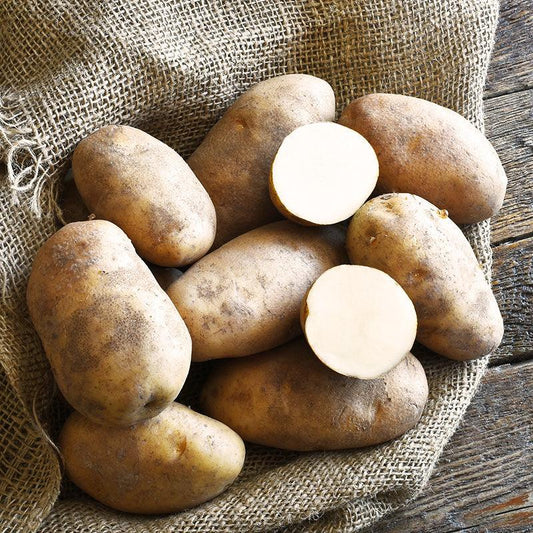
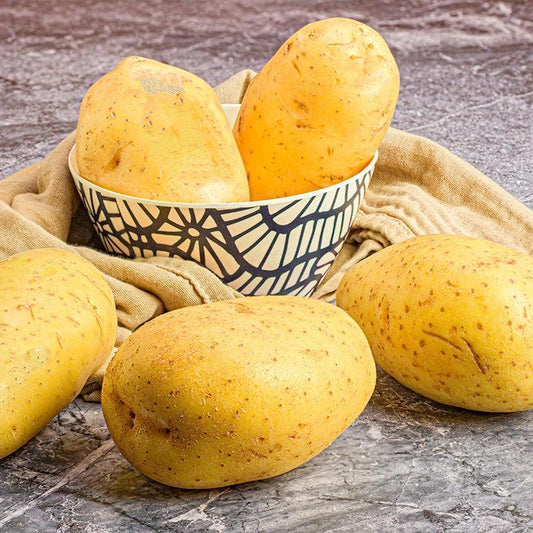
Potato Companion Plants: The Best Companion Plants for Healthier, More Productive Potatoes
Growing potatoes is rewarding, but healthy harvests require more than just good soil and regular watering. As a shallow rooted root vegetable, potatoes benefit greatly from thoughtful garden planning, especially when it comes to selecting compatible companions that share similar growing needs.
Potatoes can share a garden with other crops when every plant still receives adequate light, root space, water, nutrients, and airflow. The most reliable benefits of mixed planting are efficient use of space, seasonal diversity, and habitat for beneficial insects. Specific claims that one companion automatically improves potato yield or repels a particular pest should be treated cautiously.
“Companion planting” covers several different practices: intercropping, succession planting, insectary plantings, trap crops, and traditional pairings. Evidence applies to the particular crop, pest, layout, and conditions studied; it should not be generalized to every suggested pairing.
This guide explains the best companion plants for potatoes, which plants to avoid, and how companion planting can help you grow a stronger potato crop.

Why Use Companion Plants with Potatoes?
Potatoes are a root crop grown for their underground tubers. Like many vegetables, they can benefit from nearby plants that support healthy growth.
Good companion planting potatoes strategies can:
- Help attract pollinators and beneficial insects
- Reduce pest problems
- Improve garden diversity
- Maximize space in a vegetable garden
- Support healthier plants throughout the season
While companion planting is not a cure-all, it can be a useful part of an organic gardening plan.
Best Companion Plants for Potatoes
When choosing companion plants with potatoes, focus on plants that do not compete heavily with potato roots.
Bush Beans
One of the best potato companions is bush beans.
Beans form nitrogen-fixing relationships with rhizobia, but most of that nitrogen supports the bean plant during the growing season rather than directly feeding neighboring potatoes. Bush beans may still fit near potato rows when spacing and access are adequate, but they should not replace a potato fertility plan based on soil needs.
Because bush beans are relatively compact, they fit well beside potato rows.
Aromatic Herbs
Many gardeners use aromatic herbs as a companion plant for potatoes.
Herbs such as:
- Basil
- Thyme
- Oregano
- Cilantro
may provide culinary value and, when allowed to flower, resources for some beneficial insects. Do not assume their scent will repel potato pests; monitor the potato crop directly.
Alyssum and Flowering Plants
Sweet alyssum and similar flowers attract pollinators and predatory insects.
Alyssum is a low-growing ground cover that attracts beneficial insects such as hoverflies and parasitic wasps. These insects can help reduce aphids and other pests that damage crops.
Horseradish
Horseradish is a traditional potato companion, but dependable pest-control benefits have not been established. It is a vigorous perennial that can spread from root fragments, so place it where long-term growth will not interfere with potato rotation or harvest.
It should be planted near the edge of the bed since it can spread aggressively.

Sweet Potatoes Are a Separate Crop
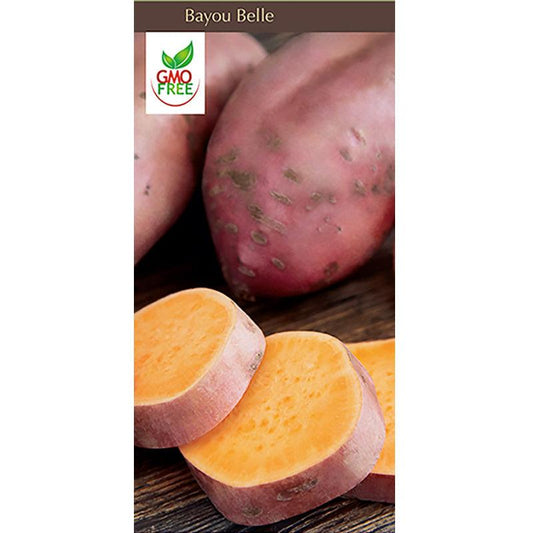
Sweet potatoes (Ipomoea batatas) are botanically unrelated to potatoes and have different growth habits, pests, diseases, and rotation needs. Use sweet-potato-specific spacing and production guidance rather than transferring white-potato companion lists.
Plants to Avoid Near Potatoes
Not every plant makes a good neighbor.
When planning companion planting with potatoes, it is important to know which crops may create problems.
Tomatoes
Tomatoes and potatoes belong to the same plant family. They can share diseases such as early blight and late blight.
Planting them close together does not create blight, but it gives a shared pest or pathogen two nearby hosts and makes rotation, scouting, and sanitation harder. Keep adequate spacing and avoid planting potatoes or related nightshades repeatedly in the same ground.
Eggplant and Peppers
Like tomatoes, these crops belong to the nightshade family and can share pests and diseases with potatoes.
Pole Beans
Pole beans may shade potatoes or obstruct hilling and harvest if their trellis is poorly placed. They can be grown in the same garden when the trellis is positioned so both crops retain adequate sun, airflow, root space, and access.

Common Potato Pests Companion Plants May Help With
Companion planting will not eliminate pests, but it can support a healthier garden ecosystem.
Colorado Potato Beetle
The Colorado potato beetle is a major potato pest. Research does not support common claims that marigolds deter it, and companion flowers should not be relied on for control. Scout leaves and stems, check undersides for orange egg masses, and use an integrated management plan appropriate to local pressure.
Flea Beetles
Flea beetles can damage young foliage. Diverse plantings may influence insect activity, but results depend on the species and planting design. Protect crop establishment through monitoring and appropriate cultural or physical controls rather than relying on a single companion.
General Pest Prevention
Flowering plants can provide nectar, pollen, and shelter for beneficial insects. That habitat supports garden biodiversity, but it does not guarantee that a specific potato pest will remain below damaging levels.
Seed Potatoes for a Strong Start
Healthy plants begin with quality planting stock.
Browse Grow Organic's collection of organic seed potatoes before planning your garden.
Popular options include:
- Organic Lamoka Seed Potato, known for strong disease resistance.
- Organic Yukon Gold Seed Potato, a favorite for home gardens.
- Organic Kennebec White Seed Potato, valued for reliable harvests.
- Organic German Butterball Seed Potato, known for excellent flavor.
- Organic Rainbow Mix Seed Potato, a fun choice for gardeners who want variety.
For more growing tips, see Grow Organic's articles on growing bigger, healthier potatoes, maximizing small-space potato yields, and perfect timing for potato harvest.
Resources & Further Reading
Want to learn more about growing healthier potatoes and improving your garden results? These helpful guides provide additional tips on planting, care, disease prevention, and troubleshooting common potato problems:
- Potato Growing Guide – Learn everything from planting and soil preparation to watering, hilling, and harvesting techniques for a successful potato crop.
- Tips for Growing Potatoes in Your Home Garden – Discover practical strategies for growing strong potato plants, improving yields, and creating the right conditions for healthy tuber development.
- Potato Blight: How Gardeners Can Stop It Before It Spreads – Understand common potato diseases, how blight spreads, and steps you can take to protect your plants throughout the growing season.
- Potato Leaves Turning Yellow: Common Causes and Solutions – Learn how to identify why potato foliage may turn yellow and how to address issues related to watering, nutrients, pests, and disease.
- Potato Flower: Top Reasons You Have No Potatoes Yet – Explore what potato flowers mean, how they relate to tuber growth, and why plants may not always produce the harvest you expect.
These resources can help you plan a healthier potato garden, choose better growing practices, prevent common issues, and enjoy a more productive harvest.
Conclusion
The best companion plants potatoes are those that support healthy growth without competing for space.
The best neighboring crops are those that fit without crowding potatoes. Use bush beans, herbs, or flowering plants when they suit the layout, but base potato health and yield expectations on certified seed, suitable soil, full sun, balanced nutrition, consistent moisture, hilling, rotation, and regular scouting.
Whether you are new to companion gardening potatoes or have years of experience, thoughtful companion planting can help you grow potatoes more successfully and enjoy a healthier potato crop.
FAQs About Potato Companion Plants
What should not be planted next to potatoes?
What is the best thing to plant next to potatoes?
What grows well with potatoes?
What do coffee grounds do for potatoes?
What should you plant after potatoes?
What companion plant helps with Colorado potato beetles?
Can companion planting replace pest control?
Still choosing your potato variety? Use our four-question Potato Selector to find currently available varieties matched to your growing season, cooking plans, preferred size, and top priority.
Build the potato plan first: Follow the complete potato growing guide for spacing, nutrition, watering, and rotation. Use the troubleshooting guide when symptoms appear, and browse certified seed potatoes.