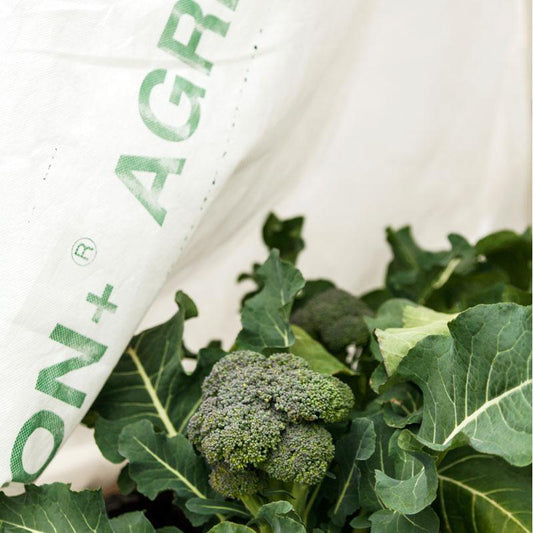
Protect Sacramento clay and Sierra foothill soil in winter by keeping traffic and disturbance off saturated, frozen or thaw-softened ground. Check workability, root-zone moisture, drainage, cover, erosion and pest shelter before adding compost or sowing a cover. Valley flats need pore protection and safe outlets; foothill slopes need stable surface cover and water paths through rain, freeze-thaw and snowmelt.
Use the regional winter plan to identify beds and slopes that need protection first. Follow the drainage and snowmelt guide when water movement is the limiting problem, and check the bare-root and perennial guide before opening a planting hole. Preserve structure and cover until the soil can support the exact operation you intend.
Winter soil-condition decision table
| Observation | Likely condition to test | Least-disturbing response | Do not... |
|---|---|---|---|
| Valley clay smears, shines or holds a deep footprint | Saturation and compaction risk | Keep traffic off; maintain drainage and cover | Till, dig or plant to meet a date |
| Surface crust over softer wet clay | Uneven drying, not full workability | Test at operation depth and wait | Judge by the top layer alone |
| Foothill surface frozen or thaw-softened | Freeze-thaw and shear risk | Hold work; check cover after stable thaw | Push roots or stakes into unstable soil |
| Rills or moved mulch after rain/snowmelt | Concentrated flow or incomplete cover | Document source and outlet; restore safe cover when stable | Build an unverified diversion |
| Bare bed with low winter light | Exposure but limited establishment window | Use compatible mulch/residue or a realistic living cover | Sow a cover that cannot establish or terminate |
| White deposit or recurring marginal burn | Possible salts; symptom not proof | Review water and inputs; test if decision is material | Add compost or fertilizer speculatively |
| Dense cover with gnawing, slime or disease signs | Pest shelter or sanitation conflict | Identify, thin or remove only what the evidence supports | Strip all soil bare |
Four winter soil tracks
Sacramento Valley floor: Protect heavy clay from feet, wheelbarrows and tools during foggy wet periods. Keep raised-bed outlets open and prevent runoff from paths or roofs from concentrating in beds. A mild afternoon does not make a saturated profile workable.
Delta-influenced gardens: Wind can dry a crust while lower soil stays wet. Anchor lightweight cover and inspect beneath it. Cooler, windier exposure can slow residue breakdown and cover growth; do not copy a protected Valley site's timeline.
Lower Sierra foothills: Maintain roots and surface roughness on stable contours, but design mulch and vegetation for current defensible-space requirements. Check the high and low ends of irrigation zones and protect rills before the next storm without entering unstable soil.
Higher foothills and frost/snow zones: Frozen ground, snow cover and thaw can delay planting and cover management. Evaluate exposed crowns and heaving after thaw. Do not stand beneath loaded branches or work on icy slopes.
Sequence winter soil protection
- Define the next job. An overwintered crop, dormant perennial, spring bed and erosion zone require different endpoints.
- Test workability at depth. Clay should crumble for the intended operation; frozen or thaw-softened foothill soil should be stable.
- Map water. Note sources, ponding, rills, outlets and rain-shadow dry zones.
- Retain safe cover. Keep healthy roots and residues where pest, disease, fire and planting needs permit.
- Repair narrowly. Restore cover and outlets without broad disturbance.
- Use compost only for a reason. Base additions on maturity, source, soil test, history and next crop.
- Choose a maintainable living cover. Confirm temperature, water, termination and rotation fit.
- Reinspect after freeze, storm or snowmelt. Record changes before correcting them.
Use the linked guides to learn how to grow cover crops, make and assess compost, and respond to soil tests. A low tunnel may protect plants, but it does not make saturated, frozen or thaw-softened soil workable.
Do not work the soil when...
- Clay smears, sticks to tools or compacts under a footprint.
- Soil is frozen, partly frozen or soft from a recent thaw.
- Snow or ice makes footing, access or overhead branches unsafe.
- A storm or rapid melt is likely to expose the disturbed surface.
- The planned cover cannot establish in available light and temperature.
- The amendment lacks a soil-, crop- or label-based rationale.
- Rodent, slug or disease evidence has not been separated from the cover itself.
- The operation would block drainage or redirect flow toward a structure or slope.
Use cover with winter tradeoffs in view
Living roots can protect soil and maintain biological inputs, but winter growth may be slow. A cover crop that failed to establish provides little erosion control and may leave seed and labor costs without the intended outcome. Choose it only when the site can support establishment and later termination.
Mulch and retained residue can protect quickly, yet they may move in Delta wind, shelter slugs or rodents, trap moisture at crowns, block outlets or conflict with defensible space. Keep organic cover away from trunks and crowns and monitor after every major event.
| Cover choice | Use when... | Monitor | Exit condition |
|---|---|---|---|
| Established living cover | Roots are already holding soil and water use is acceptable | Growth, pests, runoff and competition | Terminate before it conflicts with the next crop |
| New winter cover crop | Soil, light, water and temperature support establishment | Emergence, rooting, erosion and termination runway | Change course if establishment fails |
| Healthy retained residue | Sanitation and rotation permit it | Movement, crowns, rodents and slugs | Remove if a confirmed problem outweighs protection |
| Imported mulch | Source, placement, fire setting and drainage fit | Depth, movement, moisture and contaminants | Rearrange before planting or if it blocks water |
| Temporary nonliving fabric | Anchoring, purpose and reuse plan are clear | Wind, runoff, tears and trapped moisture | Remove when no longer functional or safe |
Respond differently to rain, freeze and snowmelt
Before heavy rain: Keep soil covered, clear visible outlets and secure loose material. Avoid last-minute cultivation. Move compost, fertilizer and pesticide containers out of flow paths. After rain: photograph ponding and rills, then wait for workability.
Before freeze: Protect vulnerable roots and irrigation components according to specific guidance, but avoid saturating wet clay. A moderate soil-moisture level can influence plant cold response, yet a fixed pre-freeze watering instruction is unsafe across textures and slopes. After freeze: wait for thaw and stable soil before pressing heaved roots or stakes back into place.
Before snow or rapid melt: consider where water will move when frozen surfaces cannot infiltrate. Remove or reinforce only structures designed for the expected load. After melt: stay off soft slopes, mark exposed roots and identify concentrated sources. Snow cover does not prove the profile is evenly supplied.
Protect aggregation with traffic planning
One trip across saturated clay can create a compacted route that persists into spring. Use fixed paths, boards only where they distribute load safely, and reach tools that avoid stepping into beds. Do not place a board that dams drainage or hides saturation. In orchards, keep vehicles and carts out of wet root zones.
On a foothill slope, traffic can shear the softened surface and start a flow path. Approach repairs from stable ground and postpone work when footing is uncertain. If severe erosion, retaining structures or concentrated drainage threaten safety or property, seek qualified local assessment.
Separate winter drought from wet-surface appearance
Containers, beds under eaves and the uphill side of a drip zone can dry while nearby clay is saturated. Sample the actual root zone. Dormant perennials still have living roots, but their water use varies with species, establishment and weather. Apply water only when soil can accept it and runoff or freezing will not create a hazard.
Likewise, wilting in wet soil does not call for more irrigation. Poor root aeration, cold, disease and salt imbalance can reduce water uptake. Diagnose before changing the schedule or adding inputs.
Keep nutrient cycling test-based
Mature compost can contribute organic matter, but repeated additions can add salts, phosphorus or other nutrients. Winter saturation and low light can also limit plant uptake. Sample consistently, interpret results with the next crop and input history, and avoid pushing tender growth before cold.
Use a reference strip when changing a bed practice. Record infiltration after similar moisture conditions, surface cover, aggregation, roots and laboratory results. Darker soil or a single improved water entry test does not prove the long-term outcome.
Two regional examples
Valley clay after prolonged fog: A bed has a dry crust but clay below smears. The gardener keeps traffic out, clears the bed outlet from the path and retains residue. Garlic planting and compost spreading wait. After several drying days, the operation depth crumbles and only the planting row is opened.
Lower-foothill contour cover after thaw: Snowmelt moved mulch into a low line and exposed roots uphill. The gardener documents the flow, waits for stable footing, restores fire-compatible cover and checks the outlet. A cover-crop plan is deferred because temperatures and access cannot support establishment.
Choose materials only after diagnosis
If a verified constraint calls for an input, compare Soil Amendments. If a living cover can establish and terminate, review Year Round Cover Crop Mixes. When diagnosis is the missing step, start with Soil Testing. Confirm inventory, instructions, shipping and site fit before purchase.
Record soil readiness for spring
Mark ponding, compaction, rills, dry rain shadows, cover success, pest shelter and deferred operations. Repeat photographs after thaw or drying. The intended outcomes—better aggregation, infiltration and organic-matter retention—are mechanisms to evaluate, not guarantees. Spring work begins when the soil and forecast support it, not when the winter calendar ends.
Keep the same marked infiltration and cover points from winter into spring. Note starting moisture, recent weather and the tool used so comparisons remain meaningful. Add every imported input and the reason for it; fewer unnecessary additions are part of the intended regenerative outcome.
Also note every period when access was unsafe. A deferred operation can be the correct soil-protection decision.
Carry soil observations into the next season
Use the same marked soil checks when reviewing fall recovery after heat, spring soil readiness, and summer mulch and living-soil performance.
For useful comparisons with other climates, review the Bay Area saturation guide, Southern California winter-soil guide, or Rockies freeze-thaw soil guide. Apply only advice that fits your soil, exposure, forecast, water and crop response.