A Sacramento-Sierra winter garden plan must separate foggy, saturated Valley conditions from foothill freeze, snow and runoff. Before planting, pruning, irrigating or covering, check soil workability or frozen status, root-zone moisture, local minimum temperature, snow or rain pathways, day length and the plant's actual stage. Then protect soil, route water safely, keep only realistic winter production, monitor pests and time bare-root work to the site—not to a regional calendar.
Give each garden zone a clear next action so winter work does not create a new problem. Use winter soil protection to judge workability, winter vegetables to test crop readiness, drainage and snowmelt to trace water, winter IPM to diagnose damage, and bare-root trees, berries and dormant pruning to time perennial work. Sequence those decisions so planting, irrigation and protection support one another.
Winter condition checklist
- Soil state: Is Valley clay workable, smeared, puddled, frozen or thawing? Is foothill soil stable, eroding or under snow?
- Root-zone moisture: Did rain or snowmelt reach active roots, or is the surface wet above a dry or impermeable layer?
- Water path: Where do roof, path, terrace and uphill flows enter and leave?
- Cold-air drainage: Which low points freeze first, and which benches or walls stay warmer?
- Forecast sequence: Is the next hazard saturation, wind, freeze-thaw, snow load, a rain gap or power interruption?
- Light: Does the crop receive enough usable light for growth, or is it only surviving under fog or cover?
- Protected-space temperature: What are the day and night readings inside—not just outside—the tunnel or cold frame?
- Plant stage: Is the crop established, newly transplanted, dormant, deacclimating or already injured?
- Pests and disease: Are slugs, rodents, dormant stages, storage pests or moisture-driven disease actually present?
- Infrastructure: Can irrigation, fabric, trellis and branches withstand freeze, wind, snow and saturated soil?
- Access: Can work be done without compacting clay, entering an unstable slope or working beneath loaded branches?
- Next active window: What evidence will signal spring preparation rather than continued winter protection?
NOAA climate normals describe typical long-term conditions, but a normal does not predict this week's fog, storm or snow level. USDA hardiness zones describe average annual extreme minimum temperatures and are general perennial guides; they do not provide first-frost dates, chill accumulation, snow load or a planting schedule.
Segment comparison: one region, four winter systems
| Segment | Winter operating constraint | First priority | Common false move |
|---|---|---|---|
| Sacramento Valley floor | Fog, frost pockets, saturated heavy clay and low light | Protect workability and drainage; ventilate protection when conditions allow | Planting or pruning because the air is mild while soil is waterlogged |
| Delta-influenced gardens | Wind, cool exposure and shifting moisture demand | Anchor structures, inspect abrasion and measure moisture beneath the surface | Adding water for wind-burned foliage without a root-zone check |
| Lower Sierra foothills | Slope runoff, frost, shallow soil and fire-to-wet-season constraints | Keep safe cover and maintain stable water paths | Clearing slopes bare or concentrating drainage |
| Higher foothills/frost-snow zones | Frozen soil, deep cold, snow/ice load and access interruption | Protect roots and infrastructure; limit work to safe, workable windows | Using low tunnels or irrigation hardware without load and freeze planning |
A Valley low spot may freeze harder than a nearby urban garden, while a high foothill bench can drain cold air better than a hollow below it. Elevation and a ZIP-code zone are useful context, but the garden's measured minimums, slope position and exposure control the operation.
Choose the next winter action for every zone
Protect: Soil, roots or a hardy crop remain in place. Maintain cover, ventilation, drainage and monitoring without forcing growth.
Produce: An established vegetable can grow or be harvested under actual light and temperature. Water only when the root zone requires it.
Drain: Valley clay, a raised bed, container area or foothill slope needs a safe source-to-outlet water plan before other work.
Dormant care: A tree, berry or vine is ready for cultivar-specific planting, pruning, sanitation or protection when soil and weather align.
Hold: Soil is saturated or frozen, access is unsafe, a plant is not truly dormant or the diagnosis is incomplete. Protect the site and wait.
Prepare: Clean and repair propagation, irrigation and support systems for the next active window without starting crops that current light cannot support.
Condition-based winter action timeline
| Trigger | Whole-garden action | Regional split | Stop rule |
|---|---|---|---|
| Soil becomes saturated or frozen | Pause cultivation and traffic; protect cover and drainage | Valley watches smearing/ponding; foothills watch freeze-thaw and slope stability | Do not work soil until it is structurally safe |
| Rain or snowmelt reaches root depth | Pause redundant irrigation and map outlets | Valley records ponding; hills inspect rills and lower pressure zones | Do not assume every root zone was recharged uniformly |
| A dry winter gap develops | Check active and dormant roots before irrigating | Containers and rain shadows dry sooner; frozen soil cannot accept water normally | Do not apply water that will run off, pond or freeze into a hazard |
| Protected-space temperature and light support growth | Ventilate, scout and maintain realistic winter crops | Valley fog may limit light; snow zones need structural/load decisions | Do not use protection as a guarantee or leave it unmonitored |
| Perennial is dormant and soil workable | Complete verified planting or pruning operation | Valley avoids saturated clay; foothills avoid frozen soil and unsafe access | Do not plant or make large cuts on a generic date |
| Weather begins a stable active-window shift | Reassess propagation, irrigation, pests and soil for spring | Valley may move before high foothills | Do not force spring work from one warm spell |
1. Protect soil structure through saturation and freeze-thaw
Keep the surface covered and living roots present where water, temperature and termination capacity support them. In Valley clay, keep feet and tools out when soil smears or holds a footprint. In foothills, retain safe surface roughness and roots that reduce exposure, but place vegetation and mulch according to current defensible-space rules.
A winter cover crop only helps if it established and can be managed. Do not sow onto frozen, saturated or actively eroding soil and expect immediate protection. Mature compost is not a winter cure-all; test and bed history should support nutrient additions. Use the soil condition table and stop rules before stepping into a bed or adding material.
2. Manage rain gaps, drainage and snowmelt
Winter does not eliminate irrigation decisions. Containers, rain shadows, new plantings and dormant roots can dry during a gap, while Valley beds may remain saturated. Check moisture at root depth. UC irrigation guidance emphasizes plant root depth, soil texture and weather rather than a fixed frequency.
Trace water from roof and hardscape through beds and outlets. In snow zones, frozen soil and rapid melt can redirect water. Protect exposed lines according to manufacturer instructions, but do not shut down a system that active roots still need without an alternative. Follow the source-to-root-to-outlet checks before changing a controller or closing a zone.
3. Keep food production proportional to light and cold
Hardy greens, roots, brassicas, peas and overwintering crops can be possibilities, but actual growth depends on species, cultivar, stage, soil, light and temperature. Valley fog can reduce growth even when air temperatures seem mild. Delta wind changes protection. Higher foothill crops may survive without making meaningful winter growth.
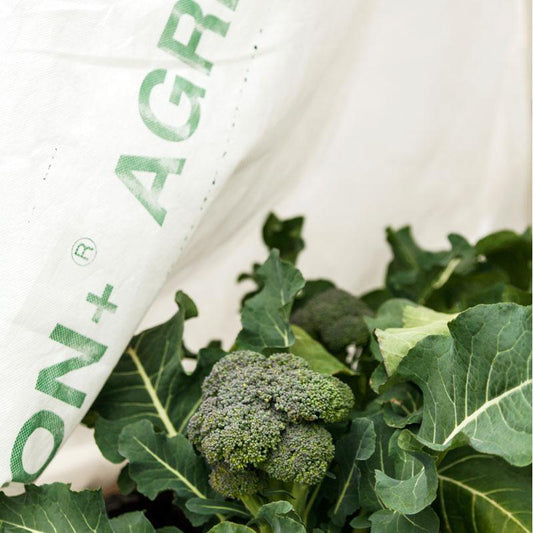
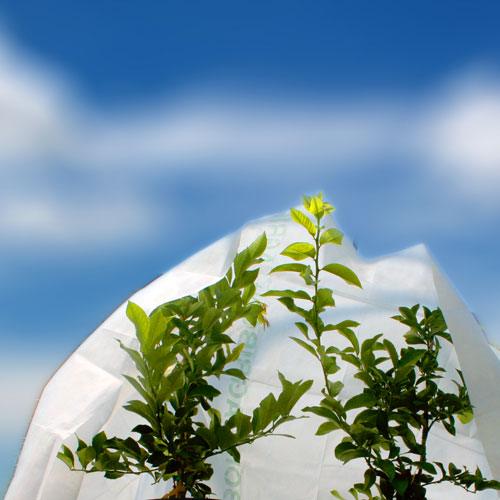
Measure soil temperature and protected-space conditions, use small successions and define the desired harvest stage. A row cover or low tunnel can reduce exposure, but it needs anchoring, ventilation and snow-load planning. Use the low-tunnel guide for setup and care, then match the crop to the site's light, soil and cold conditions.
4. Monitor winter pests without stripping habitat
Slugs may remain active in moist lowland beds, rodents may use dense shelter or stored materials, and dormant pest or disease stages require crop-specific identification. Frost, waterlogging and low-light decline can resemble biological injury. Scout repeat locations, compare affected and healthy plants, and record weather.
Retain functional habitat that fits water, sanitation and fire needs. Remove confirmed problem material selectively. If a pesticide is indicated, verify the target, host, susceptible stage, timing, weather, label and California requirements. No dormant spray is universal.
5. Time bare-root, berry and pruning work to readiness
A sales or shipping window does not make saturated clay, frozen ground or a snowed-in site ready. Verify drainage, cultivar and rootstock, mature size, chill need, winter hardiness, summer heat fit and receiving logistics. Chill accumulation is location- and season-specific and is not the same as USDA hardiness.
Prune only for a defined purpose and at the appropriate stage and weather for the plant. Avoid broad cuts into frost-damaged tissue before injury is clear. Before receiving bare-root stock or making a cut, confirm soil readiness, plant stage, weather and a safe follow-up plan.
Operate protected spaces as separate climates
A low tunnel, cold frame or greenhouse is not simply the outdoor garden with a warmer number. Solar gain can raise daytime temperature quickly even when Valley fog or foothill cold dominates outside. At night, a small unheated structure can approach outdoor temperature. Humidity, condensation, airflow and soil moisture can become the limiting factors.
Place a minimum-maximum thermometer or appropriate sensor at plant height, not against a sunny wall. Inspect both the warmest likely day and coldest likely night. Vent when the crop and weather require it, secure every opening against Delta or canyon wind, and prevent fabric from resting on foliage when its system calls for support. In snow zones, calculate whether the structure should remain installed at all.
Water protected crops from root-zone evidence. Lower evaporation does not eliminate demand, and a closed structure can hide saturation. Scout leaf undersides, crowns and media for aphids, slugs, disease and poor root function. A cover can reduce exposure, but it cannot guarantee frost protection, growth or harvest.
Prioritize roots during winter rain gaps
After a stretch of rain, it is easy to assume every perennial is supplied for the season. Check under eaves, dense evergreen canopies, raised covers and in containers. A dormant plant still has living roots, and a new planting has a limited root volume. Conversely, clay that remains saturated can deprive roots of oxygen even when foliage appears drought-stressed.
Probe at representative points around the active root area. Separate established trees, berries, annual beds and containers into compatible hydrozones. If irrigation is needed, apply it when soil can accept water and temperatures will not turn overspray or runoff into an ice hazard. In higher foothills, follow component instructions for freeze protection and restore service only when it can operate safely.
Prepare for five winter failure modes
Atmospheric-river runoff: Keep drains visible, secure loose inputs and document flow from a protected location. Do not enter moving water or unstable slopes. Afterward, wait for workability and inspect erosion before repairing.
Freeze-thaw: Repeated expansion and contraction can heave shallow roots, loosen stakes and alter surface structure. Check exposed crowns and supports after thaw; do not push roots back into frozen or saturated soil.
Fog and persistent leaf wetness: Increase spacing and ventilation where feasible and avoid unnecessary overhead irrigation. Do not treat spots as disease without identification.
Snow or ice load: Evaluate branches and structures from a safe location. Do not stand beneath loaded limbs or climb on icy ground. Any removal technique must match species, structure and safety guidance.
Power or access interruption: Know manual shutoffs, identify priority plants and avoid starting protected batches that depend on uninterrupted heat without a contingency. Automation adds sensors, valves, power and communications that can fail.
Use a winter resource and labor budget
List which zones require active care and which can remain protected and dormant. Prioritize young trees, newly planted berries, high-value established plants and active food beds according to their actual vulnerability. Replaceable annuals may receive a lower priority than a perennial whose root system is still establishing.
Count the irrigation, fabric, containers, heat, electricity and daily visits required by each protected crop. A winter system is not regenerative merely because it produces food; it should use resources proportionate to the harvest and learning value. Repair durable structures when safe, reuse materials within their service life and retire damaged fabric that cannot withstand wind or snow.
Use winter observations to prepare for spring
Winter records should create the spring plan. Mark the beds that ponded, the slope points that eroded, the cold pockets that froze first and the protected spaces that overheated. Note which overwintered crops resumed growth as days lengthened and which remained stalled. Record pruning completed, bare-root sites deferred and irrigation components needing service.
Do not respond to one warm spell with full spring cultivation or tender planting. Look for a stable pattern of soil workability, day length, protected-space temperature, crop stage and forecast. The Valley may reach that pattern while higher foothills remain under snow or in freeze-thaw. Different spring start times across the region are normal; act when your own measurements support the work.
Four local winter scenarios
Foggy Valley clay: A gardener sees yellowing winter vegetables and a wet surface. Instead of fertilizing, the gardener checks soil at depth, finds prolonged saturation and opens a blocked bed outlet without entering the mud. Protection is ventilated during a suitable dry period. Plants are reevaluated after root-zone oxygen improves. The soil remains covered, but thick mulch is pulled back from crowns and checked for slugs.
Delta wind: Row cover flaps against leaves while container surfaces look dry. The gardener anchors fabric, measures container and bed moisture separately and checks for abrasion. Irrigation changes only where the root zone is dry. A wind-injured edge is not treated as disease without signs.
Lower-foothill runoff: Rain from a compacted path crosses an orchard row. The gardener documents the source, protects bare soil with fire-compatible cover and keeps the outlet clear. No trench is improvised across an unstable slope. After the storm, rills and pressure differences guide repairs.
Higher-foothill freeze and snow: A lightweight tunnel covers greens, but snow is forecast and the site may be inaccessible. The gardener evaluates the structure's rated load, crop tolerance and safe monitoring capacity. If the structure cannot remain safe, it is removed or reconfigured before the storm. Exposed irrigation is prepared according to instructions, and the bed stays protected without relying on guaranteed harvest.
Regenerative mechanisms and winter tradeoffs
| Practice | Intended outcome | Evidence to track | Tradeoff |
|---|---|---|---|
| Living roots | Continuous cover and biological inputs | Root occupancy, establishment, water use and termination | Little growth in low light; requires management |
| Surface cover | Less impact, erosion and exposure | Movement, moisture, slugs/rodents and fire placement | Can shelter pests or block drainage |
| Reduced disturbance | Preserved aggregates and fewer compaction events | Workability, infiltration and footprints | May conflict with a defined repair or sanitation need |
| Hydrozoning | Water matched to roots and exposure | Emitter output, moisture and plant response | Requires maintenance and freeze planning |
| Functional habitat | Support for beneficial organisms | Natural enemies, pests, bloom, water and access | May shelter rodents or conflict with fire guidance |
| Repair and reuse | Longer infrastructure life | Safety, serviceability and replacement avoided | A marginal repair can fail under wind or snow |
These mechanisms can support more continuous soil cover, lower avoidable water loss and resilient nutrient cycling, but results are not guaranteed. A practice that consumes scarce irrigation, imported material or repeated plastic without a measurable benefit needs revision.
Choose plants and protection only after readiness
When the site and cultivar plan are verified, compare All Bare Root Trees or Berries & Vines. If the crop matrix supports a winter succession, review All Vegetable Seeds. For a monitored, ventilated protection need, compare Frost Protection. Recheck inventory, shipping eligibility, cultivar fit and product instructions before purchase.
Stop rules for winter work
- Stop walking or cultivating clay that smears, shines or holds deep footprints.
- Stop slope work when soil, snow, ice or loaded branches make access unsafe.
- Stop irrigation when the root zone is adequately wet or water cannot infiltrate safely.
- Stop a planting that depends on a hardiness zone or protection guarantee.
- Stop a pruning job whose purpose, crop timing or disease implications are unclear.
- Stop pesticide selection until target, host, stage, label and California requirements align.
- Stop fertilizer use without a crop need, test or label-grounded reason.
- Stop winter protection that cannot be ventilated, anchored or monitored.
Keep one winter-to-spring record
For each zone, log segment, soil state, moisture, water path, minimum temperature, snow or fog, protected-space readings, crop or perennial stage, pest evidence, action and next trigger. Repeat photographs after a storm, freeze or thaw. The winter garden tips guide provides general technique; the regional record explains where it fits.
Add a short exception log for decisions that could not be completed: a bare-root site held because clay stayed saturated, a cover removed before snow, a container irrigated during a rain gap, or a slope repair deferred for safety. These notes prevent a deferred task from being mistaken for completed work and preserve the reason for the delay.
The plan succeeds when it protects soil and roots through winter while preserving a clear, safe path into spring. In the Valley that may mean waiting out saturation and managing fog. In the Delta it may mean wind-safe structures. In lower foothills it may mean stable runoff paths. In higher foothills it may mean limiting intervention until soil thaws and access returns. Winter is an operating condition, not a single Sacramento-Sierra schedule.
Use winter observations to plan the year ahead
Carry the same site observations into the fall regeneration plan, spring garden plan, and summer heat and fire-resilience plan.
If your garden shares conditions with another region, compare the Bay Area winter plan, Southern California rain-gap and frost plan, or Rockies dormancy plan. Apply only advice that fits your soil, exposure, forecast, water and crop response.