How to Store Nectarines Without Losing Flavor

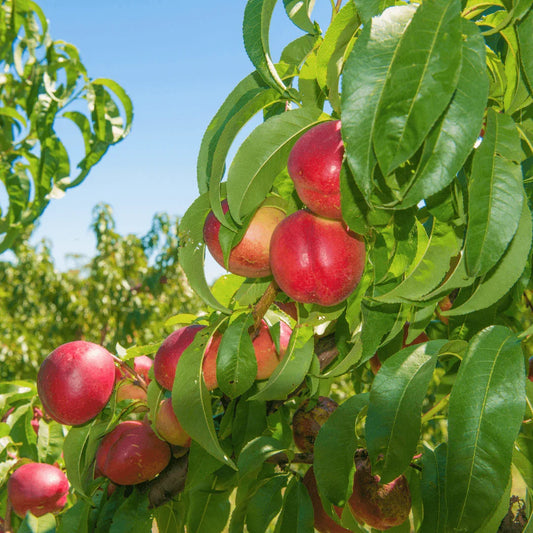
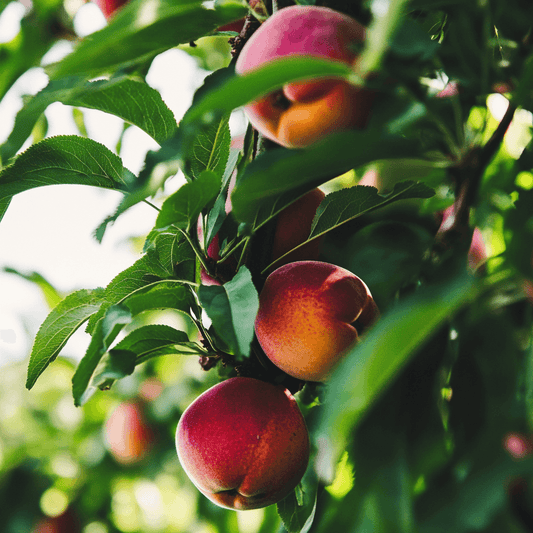
Vibrant Nectarine fruits

How to Store Nectarines So They Last Longer Without Losing Flavor

Nectarines are one of those fruits that feel like summer in your hand. Juicy, sweet, and fragrant, they reward good handling and punish careless storage. Whether you picked them from your own tree or brought them home from the grocery store, knowing how to store nectarines correctly makes all the difference between fruit that’s bursting with flavor and fruit that turns soft, bland, or mealy.

This guide is written for beginner to intermediate gardeners who want practical, clear advice. We’ll cover ripening, short- and long-term storage, refrigeration, freezing, and browning prevention, all without overcomplicating things.

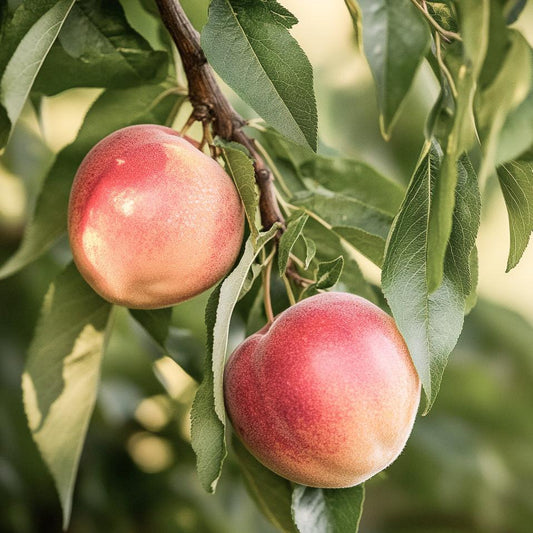
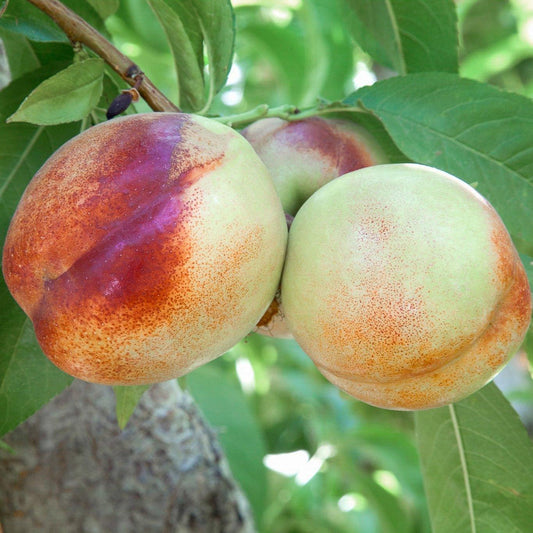
Delicious and Fresh Nectarines

Understanding Nectarines and Ripening Basics

Nectarines belong to a group called stone fruits, along with peaches plums and nectarines sharing similar storage needs. Once picked, nectarines continue to ripen because they produce ethylene, a natural plant hormone.

That ethylene gas drives the ripening process, which means storage is really about timing and temperature.

If you’re growing your own fruit, varieties like Fantasia Nectarine Tree, Snow Queen Nectarine Tree, and Arctic Glo White Nectarine Tree are known for rich flavor and good post-harvest quality. You can explore more options in this collection of nectarine trees.

How to Ripen Nectarines Properly

Ripening at Room Temperature

If your fruit is still firm, the answer to how to ripen nectarines from the store is simple: let them ripen at room temperature. Place them on the counter, out of direct sun.

To speed up the ripening, put nectarines in a paper bag. This traps ethylene gas and helps fruit soften evenly. Avoid a plastic bag at this stage, since it traps moisture and can cause mold.

You’ll know a nectarine is ready to eat when it gives slightly to pressure and smells fragrant near the stem. The skin often shows a deeper red blush, but color alone isn’t a reliable test.

Apricots and Nectarines in White Deep Plate

Where to Store Nectarines Once Ripe

A common question is where should nectarines be stored once they’re ripe. The best place to store nectarines depends on when you plan to eat them.

Short-Term Storage

If you’ll eat them within a day or two, the best way to store nectarines is right on the counter. This keeps flavor and texture at their peak.

Refrigeration Basics

People often ask: do you store nectarines in the refrigerator or should nectarines be stored in the fridge? The answer is yes, but only after they are perfectly ripe.

Cold temperatures slow ripening and extend shelf life, but they also mute flavor if used too early. Once ripe, store them in the fridge in the crisper drawer. This is the best way to store fresh nectarines for up to five days.

If you’re wondering how to store nectarines in fridge, place them in a breathable container or loosely wrapped, not sealed tight. This also answers should you store nectarines in the refrigerator when you need a few extra days before eating.

Long-Term Storage Options

Freezing Nectarines

For long-term storage, freezing is your best bet. This is one of the most reliable storage methods if you have a big harvest.

Slice nectarines, remove pits, and toss them lightly with lemon juice to prevent browning. Lay slices on a tray to freeze, then transfer to a freezer bag. Avoid freezing whole fruit unless texture doesn’t matter, which answers a common freezer question.

Frozen nectarines work well in smoothies, baking, and sauces.

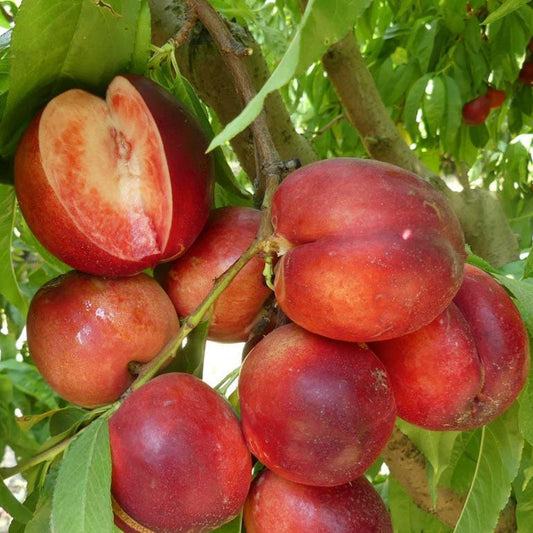
Close-up of a Nectarine

How to Prevent Browning and Spoilage

Nectarines brown when cut due to oxidation. A quick dip in water with lemon juice helps. Always store cut fruit airtight in the fridge.

Never wash nectarines before storage unless you plan to eat them right away. Moisture shortens shelf life and encourages decay.

Nectarines vs Other Stone Fruits

If you already store peaches, the rules are nearly identical. In fact, many tips apply equally to peaches plums and nectarines. For a deeper comparison, this article on nectarine vs peach taste and texture is worth a read.

From Tree to Table: Why Handling Matters

Proper storage starts in the orchard. If you grow nectarines, timing harvest correctly improves storage life. Guides on harvesting and post-harvest handling, seasonal care, and pest management all play a role in fruit quality.

New growers may also appreciate resources on planting nectarines, propagation techniques, and understanding nectarine season timing.

Conclusion

Learning how to store fresh nectarines isn’t complicated, but it does require paying attention. Let fruit ripen naturally, refrigerate only when ripe, and freeze extras the right way. Whether your nectarines came from your backyard tree or the grocery store, these steps protect flavor, texture, and enjoyment.

If you’re growing your own nectarines, good storage is the final step in enjoying all the work you put into the tree.


FAQs About Storing Nectarines

Do nectarines need to be refrigerated?
Only after they’re ripe. Refrigeration slows spoilage but stops ripening.
How do you store nectarines long term?
Freezing sliced fruit in a freezer bag is the best option.
What's the best way to preserve nectarines?
Freezing or turning them into jams or sauces works well.
Do you wash nectarines before storing them?
No. Wash just before eating.
Where's the best place to keep nectarines?
On the counter while ripening, then in the fridge once ripe.
What is the shelf life of a nectarine?
Unripe fruit lasts several days at room temperature; ripe fruit lasts about five days refrigerated.
What is the best way to store fresh nectarines?
Let them ripen first, then refrigerate loosely covered.
Can I freeze whole nectarines?
You can, but sliced fruit freezes better and keeps texture.
How to keep nectarines from turning brown?
Use lemon juice to prevent oxidation.
How do you store nectarines without losing flavor?
Avoid cold storage until they’re perfectly ripe and don’t seal them in airtight plastic too early.
Back to blog

Leave a comment

Please note, comments need to be approved before they are published.