Southern California winter gardening moves between active coastal production, inland rain gaps, canyon cold-air drainage, and mountain freeze or snow. Rainfall can be intense and uneven, followed by long dry periods. A frost-light coastal bed may keep growing while an inland valley or mountain site needs cold protection and system winterization. Build the winter plan from soil workability, rooting-depth moisture, actual rain penetration, daylength, protected-space temperature, chill and frost exposure, and plant stage.
Use this plan to coordinate soil care, winter food production, rain and irrigation decisions, organic IPM, and bare-root or low-chill perennial establishment. Southern California does not follow one warm-winter calendar, so assess each bed by moisture, temperature, light, crop stage, and exposure before choosing the next task.
Run the Southern California winter condition checklist
- Soil workability: Does soil crumble, or smear and compact after rain? Is mountain soil frozen below a thawed surface?
- Root-zone moisture: Did rain reach the active roots, or only wet mulch and surface dust? Is a low spot saturated?
- Drainage and slope: Where did the last storm enter, pond, erode, or leave, and are slopes or retaining structures safe?
- Rain gap: Has the dry interval become long enough that containers, young perennials, cool crops, or covered beds need irrigation?
- Local cold: What do the forecast, elevation, cold-air drainage, snow cover, and site history indicate?
- Light and temperature: Does the crop or protected space have adequate light and temperature for useful growth?
- Crop stage: Is the plant germinating, establishing, producing, dormant, budding, flowering, or recovering from frost?
- Chill and cultivar fit: Are chill and hardiness claims being used as qualified cultivar information rather than promises?
- Biological pressure: Are aphids and ants, snails, whiteflies, mites, rodents, disease symptoms, predators, or pollinators active?
- Infrastructure: Are covers, supports, irrigation, containers, drains, guards, and tools safe through rain, wind, snow, or freeze?
Check an exposed and sheltered bed, a slope, a low point, a container, a protected structure, a young perennial, and the beginning and end of an irrigation zone. One garden can need drainage, irrigation, frost protection, and active harvest at the same time.
Compare four Southern California winter paths
| Segment | Winter constraint | First diagnostic action | First priority |
|---|---|---|---|
| Immediate coast and marine layer | Mild temperatures, low-light intervals, leaf wetness, salt wind, irregular rain, and limited frost | Check root-zone moisture and foliage drying; compare bright and shaded beds | Maintain appropriate cool crops, prevent overwatering, scout snails and disease, and avoid treating mild air as active growth |
| Inland valleys | Warm dry gaps alternating with storms, sharper overnight cold, frost pockets, and irrigation dependence | Map cold-air drainage and verify rain depth before changing irrigation | Protect vulnerable crops conditionally, keep roots hydrated without saturation, and plan chill-qualified perennials |
| Foothills and canyons | Slopes, runoff, debris-flow risk, wind, smoke, cold-air pooling, and fast weather change | Put safety first; inspect drainage, slope, cover anchoring, and local frost exposure | Keep access and outlets functional, avoid hazardous areas, and use small reversible crop or protection decisions |
| Mountains and frost pockets | Freeze-thaw, snow or ice, deep cold, frozen soil, exposed irrigation, and short active windows | Check soil through rooting depth, snow load, local minimum, and plant hardiness or stage | Protect infrastructure and roots, choose realistic production, and delay work until soil and access are safe |
These are patterns, not borders. A coastal canyon can freeze, an urban inland wall can remain warm, and an irrigated mountain container can dry beneath cold air. Use slope, aspect, elevation, structures, distance from the ocean, and direct observations.
Choose the right winter response for each bed
Active production: Soil, light, temperature, water, crop stage, and pest pressure support useful growth. Continue condition-based harvest and care.
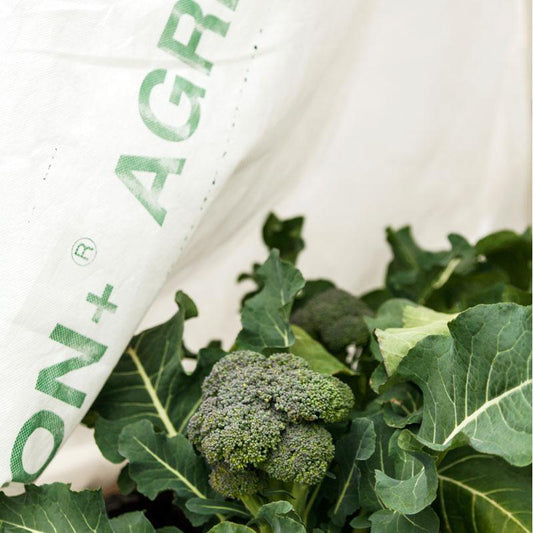
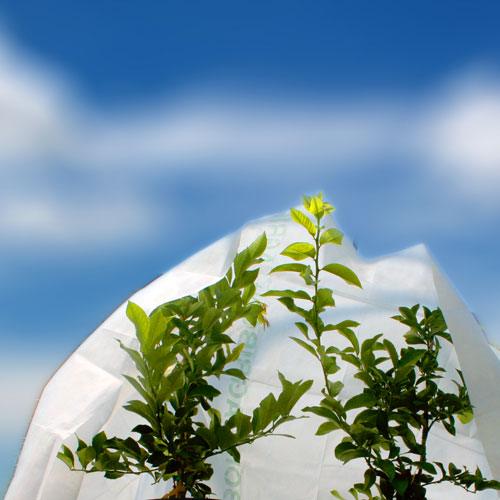
Protected production: A suitable crop can continue only with a cover or protected space that can be secured, ventilated, monitored, and removed. Protection reduces exposure but does not guarantee harvest.
Rain-gap irrigation: The active root zone is below need despite winter conditions. Apply a verified, zoned irrigation and recheck depth.
Drain and wait: Soil is saturated, frozen below, or unsafe to access. Keep traffic off, trace water safely, and delay planting, amendment, or cultivation.
Dormant establishment: Bare-root or dormant perennial stock, soil, cultivar, chill, hardiness, water, and forecast align for planting and aftercare.
Covered rest: Useful growth is limited, but clean residue, mulch, or a managed living cover protects soil until the next window.
Follow a condition-based winter timeline
After meaningful rain
Inspect rooting-depth moisture, ponding, erosion, mulch movement, roof discharge, outlets, paths, and slope safety. A high-intensity storm may run off dry or compacted soil and saturate low spots. Do not work soil that smears or enter hazardous slopes or debris-flow areas.
Pause irrigation only after the root-zone check. Containers, covered beds, and young perennials can remain dry even when nearby soil is wet. Clear only designed, safe drainage features and avoid redirecting water onto neighbors, streets, structures, or waterways.
During a long dry break
Check moisture rather than assuming winter dormancy eliminates water use. Coastal wind, low humidity, containers, active cool crops, and evergreen perennials can create demand. Compare morning plant condition and emitter delivery. Water only the zones whose roots need it.
Declining demand may allow shorter or less frequent events, but no statewide schedule applies. Current water rules and source conditions still govern. Protect soil cover, inspect salts where relevant, and avoid shallow automatic watering.
Before a forecast frost or freeze
Identify the plant, cultivar, age, stage, recent growth, root moisture, forecast minimum, cold-air drainage, wind, and protection capacity. USDA hardiness zones describe average annual extreme minimum temperature and do not guarantee survival, flower protection, chill, or a planting date.
Install a suitable cover early enough to anchor it and protect foliage from abrasion. Monitor temperature and ventilate or remove as conditions change. Water-based frost tactics and supplemental heat carry equipment, timing, electrical, fire, and water requirements; use authoritative crop-specific guidance.
After frost, snow, or ice
Wait for safe access and allow injury to declare itself. Compare exposed and sheltered tissue, roots, stems, graft unions, and snow load. Do not force recovery with fertilizer or make major pruning cuts before viable wood and crop-specific timing are understood.
When a planting window opens
For food crops, require workability, suitable soil and protected-space temperature, light, water, maturity, and frost fit. For bare-root or dormant perennials, add plant viability, root protection, chill, hardiness, mature size, pollination, drainage, and first-year irrigation.
Choose the next task from the problem you find
1. Build soil without overwatering
If rain or irrigation has left beds wet, use the Southern California winter soil guide to protect soil cover and living roots, evaluate saturation and rain-gap moisture, and decide when testing, compost, or reduced disturbance is appropriate.
2. Produce food from coast to frost pockets
To decide whether to plant, protect, harvest young, or rest a bed, use the Southern California winter food guide to compare cool crops, succession timing, soil temperature, available light, cover management, and local frost limits.
3. Manage rain, drainage, and irrigation
When storms, long dry breaks, containers, or slopes create competing water needs, use the Southern California winter water guide to check drainage, hydrozones, runoff, rain capture, and freeze-exposed irrigation before changing a schedule.
4. Diagnose aphids, snails, and winter disease
The Southern California winter IPM guide distinguishes aphids and ants, snails, whiteflies, rodents, and disease from saturation, frost, low light, salt, wind, and nutrient symptoms.
5. Plant bare-root and low-chill perennials
Before choosing or planting a dormant perennial, use the Southern California bare-root guide to evaluate site fit, chill, hardiness, receiving condition, root protection, support, and first-year aftercare.
Connect regenerative practices to measurements
| Practice | Intended mechanism | Condition gate | Recheck |
|---|---|---|---|
| Keep soil covered | Reduce erosion, crusting, wind loss, splash, and avoidable evaporation | Material is clean, anchored, fire-aware, and clear of trunks or crowns | Moisture, ponding, pests, runoff, and material movement |
| Maintain living roots where feasible | Extend root occupancy and nutrient capture | Light, temperature, water, rotation, and termination capacity support growth | Stand health, competition, water use, and termination |
| Use soil-test-based nutrients | Match inputs to crop and measured need | Representative test, crop, irrigation water, bed history, analysis, and label align | Crop response, salts, excess nutrients, and test trend |
| Hydrozone irrigation | Reduce avoidable runoff and evaporation | Zone reflects roots, soil, stage, exposure, delivery, rain, and water quality | Root-zone moisture, uniformity, leakage, and runoff |
| Retain functional habitat | Support pollinators and natural enemies | No conflict with fire safety, rodents, confirmed disease, water limits, or access | Beneficial activity, pest trend, bloom, and competition |
These mechanisms can support resilience but do not guarantee results. Compost and mulch can add salts, phosphorus, pests, weeds, contaminants, cost, and transport impacts. Living cover needs water. Fabric and plastic protection require durable support, reuse, and end-of-life planning. Habitat can shelter rodents or snails and must comply with current fire guidance.
Build soil through wet and dry intervals
After rain, wait for workable moisture before disturbing the bed. During dry gaps, inspect below the surface and irrigate living roots only when needed. Keep soil protected with a cover whose moisture, pest, and fire tradeoffs are managed.
Add mature compost or other inputs only when testing, bed history, crop demand, irrigation water, and analysis support them. Cold or saturated roots, low light, frost, pests, and salts can mimic nutrient deficiency. Fertilizer cannot repair those conditions.
Use a soil and water condition matrix
| Soil and weather state | Meaning | Useful next action | Do not |
|---|---|---|---|
| Rain wets only mulch or the surface | The active root zone may remain dry | Inspect at depth, maintain cover, and irrigate only if roots show a deficit | Shut off all water based on surface appearance |
| Soil smears or water stands after a storm | Low oxygen, compaction risk, drainage limit, or concentrated inflow | Keep traffic off, trace water safely, and wait for workable moisture | Dig, till, plant, add compost, or assume fertilizer will restore vigor |
| Friable soil with active winter crop | Production or cover may continue | Check light, temperature, water, pests, and crop stage; disturb minimally | Open the whole bed because conditions passed in one spot |
| Thawed surface over frozen mountain soil | The rooting profile and drainage are not ready | Protect access and wait for a safe, workable depth | Plant or cultivate the thawed skin |
| Dry container during a cool rain gap | Small root volume or cover may have excluded rain | Check drainage and rooting-depth moisture, then water the container if needed | Apply the same event to saturated ground beds |
| White crust or marginal burn | Possible salt, fertilizer, drought, root, or weather problem | Compare water and drainage patterns and test appropriately | Prescribe universal fertilizer or leaching |
Sample several locations, including an unaffected reference. Soil texture, compaction, raised beds, mulch, containers, slopes, and irrigation water change the interpretation. A meter may supplement a hand check when calibrated and suitable, but it cannot answer crop need by itself.
Prepare rain capture and drainage safely
Map roof and hardscape runoff, paths, gutters, downspouts, storage overflow, swales or drains, retaining structures, low points, and areas that eroded. Rainwater capture depends on collection surface, first flush, storage material, mosquito control, overflow, local codes, and intended use. Follow current water agency, public-health, building, and vector-control guidance.
Storage must have a stable base and safe overflow. Do not direct overflow toward a foundation, neighbor, street, slope, or waterway. Do not create an unengineered berm, trench, or basin where concentrated water could destabilize soil. The useful goal is safe water movement and appropriate storage, not maximum retention at any cost.
Foothill, canyon, and fire-affected properties require special caution. Rain on burned or steep ground can create debris-flow and erosion hazards beyond garden practice. Follow official emergency and public-works information, stay out of hazardous areas, and obtain qualified assessment for slopes, retaining walls, drainage systems, or unstable trees.
After a storm, photograph flow paths and inspect when safe. Record where water entered, slowed, ponded, eroded, overflowed, and exited. Check soil at several depths. Use this evidence to adjust routine garden cover or irrigation without claiming that a garden feature controls a hazardous storm.
Use a winter crop opportunity matrix
| Setting | Opportunity | Limiting question | Backup path |
|---|---|---|---|
| Immediate coast | Active cool crops and small successions may continue | Does light, foliage drying, root moisture, and pest pressure support useful growth? | Young harvest, reduced succession, or covered rest |
| Inland valley | Cool crops may grow between dry breaks and frost events | Can the crop establish and recover through local frost without overwatering? | Protected small planting or hold seed |
| Foothill or canyon | Sheltered beds may remain productive | Are wind, slope, fire history, rain, and cold-air drainage manageable? | Soil cover and protected propagation |
| Mountain or frost pocket | Cold-tolerant or protected crops may fit limited windows | Is soil workable and does temperature, light, snow, and frost permit the intended harvest? | Dormant cover or indoor propagation |
Desired harvest stage matters. Baby leaves or thinnings may be realistic when a full head or root is not. Maturity descriptions are estimates whose outcome changes with light, temperature, water, soil, pests, protection, and crop stage. Do not promise a harvest from a frost cover or microclimate label.
Build a complete frost-protection plan
- Identify the crop or perennial, cultivar, stage, recent growth, and known tolerance.
- Map cold-air drainage and compare the local forecast with a sheltered and exposed point.
- Choose protection whose dimensions, material, support, anchoring, and instructions fit.
- Install before conditions deteriorate and keep material from abrading or crushing plants.
- Monitor temperature, wind, and moisture under the cover.
- Vent or remove as sunlight and temperature change.
- After the event, wait for safe access and assess before pruning, feeding, or treating.
Frost fabric, low tunnels, irrigation, lights, fans, and heaters have different mechanisms and risks. Electrical equipment must be rated and installed for the environment; combustion and heat sources create fire and fume hazards. Water tactics can worsen injury if timing, rate, continuity, and equipment are wrong. Use authoritative crop-specific guidance.
Qualify chill and hardiness information
Chill requirements are cultivar planning estimates, not guaranteed hour counters that predict flowering or fruit. Chill models, weather, heat interruptions, plant health, dormancy, rootstock, and site affect response. “Low chill” does not mean a plant tolerates every warm coastal winter or every inland freeze.
Hardiness describes cold tolerance under defined conditions and does not guarantee flowers, fruit, young growth, graft unions, or container roots will survive a specific event. Bloom timing can expose flowers after a tree survives winter. Combine chill, hardiness, heat, disease, pollination, mature size, soil, water, and harvest needs before selecting a perennial.
Record the source and model behind chill information and use local Extension or institutional resources. Avoid universal chilling treatments or manufacturer claims that are not supported for the cultivar and site.
Build a winter field record
For each bed or hydrozone, record segment, elevation or exposure, crop and stage, soil workability, root-zone moisture, storm depth if measured, drainage observations, irrigation, protected-space temperature, local minimum, cold injury, pest or disease evidence, action, and next trigger. Photograph the same view after storms, rain gaps, and cold events.
For perennials, add cultivar, rootstock, chill source, hardiness source, bloom stage, pruning, protection, and aftercare. For covers, record installation, anchoring, interior temperature, ventilation, and damage. These records show whether a practice worked at the actual site without converting one winter into a promise for the next.
Use protected culture without false security
Low tunnels or covers can moderate temperature, wind, and pest exposure. They also change light, ventilation, humidity, irrigation, and disease conditions. Choose a system that fits the bed, crop, wind, and ability to inspect it. A cover left closed on a sunny winter day can overheat plants.
Measure inside the protected space and check roots. Vent and remove according to crop and weather. Secure covers before wind and keep material from damaging plants. Do not guarantee frost protection.
Diagnose winter pest and disease patterns
Aphids may build on tender growth while ants tend honeydew producers. Snails can become active with moisture. Leaf spots and decline may follow pathogens, saturation, salt, frost, wind, or low light. Rodents may shelter near dense cover. Inspect actual organisms, roots, stems, and symptom distribution.
Use a practical threshold, target sanitation, and protect beneficial organisms. Follow every pesticide label and California requirements. A product described as organic is not necessarily non-toxic or universally safe.
Select perennials by microclimate
Low-chill is not the same as low-risk. Chill requirements are estimates and interact with cultivar, weather, heat, dormancy, and site. Hardiness, bloom timing, pollination, rootstock, mature size, water, disease, and soil also matter. Match the plant to the immediate coast, inland valley, canyon, or mountain site.
Bare-root stock must remain viable and roots protected from drying, freezing, or soaking outside handling guidance. Plant only in workable, draining soil with aftercare available. Do not guarantee survival, flowering, fruit, or chill satisfaction.
Use collection-first paths only after fit
When a perennial site and cultivar requirements are defined, compare All Bare Root Trees or Berries & Vines by chill, hardiness, mature size, pollination, rootstock, water, and destination eligibility. When a winter crop and growth window pass, browse All Vegetable Seeds by temperature, maturity, light, and harvest goal. For a defined cold event, compare Frost Protection by dimensions, anchoring, ventilation, reuse, and instructions.
Before ordering, confirm current availability, shipping eligibility, regional restrictions, and instructions. A collection can help you compare options, but the final choice still needs to fit the plant, microclimate, forecast, and drainage conditions.
Finish with a winter action timeline
- After each storm: inspect roots, runoff, drainage, erosion, mulch, slopes, and system damage.
- During dry gaps: measure root-zone moisture and irrigate only the zones that need it.
- Before cold: map vulnerable plants, secure protection, service exposed equipment, and define a safe inspection.
- After frost, snow, or ice: wait for safety, diagnose injury, and avoid forced recovery.
- At each planting: require soil, light, temperature, water, maturity or cultivar, and aftercare gates.
- At the regular review: record bed state and set the next storm, rain-gap, cold, crop-stage, or root-moisture trigger.
Use these winter garden tips and the frost-protection guide for practical techniques. Then adjust them to your microclimate: garden actively where conditions support growth, protect selectively when cold warrants it, and recheck water and drainage after every rain or dry break.
Prepare for the seasons ahead
Use the fall garden reset to prepare beds after summer, the spring establishment plan to build roots before heat, and the summer garden plan to decide which beds should grow, rest, or recover.
Gardens near a regional transition may also benefit from Bay Area winter guidance, Southwest winter guidance, or the Sacramento–Sierra winter plan. Apply only advice that matches your soil, exposure, forecast, water, and crop response.