Fall is often the practical start of Southern California’s growing year, but the reset begins with conditions rather than a date. Summer may leave soil dry, compacted, salty, bare, or unevenly irrigated. Santa Ana winds can return before meaningful rain, while coastal marine influence, inland heat, canyon exposure, and mountain frost create different planting windows. Diagnose root-zone moisture, soil temperature, overnight heat recovery, irrigation performance, first-storm runoff, and local frost exposure before planting or amending.
A Southern California fall reset works best when soil repair, cool-season crops and garlic, irrigation changes, organic IPM, and perennial or infrastructure care follow a clear order. Do not rush the first cool morning. Rebuild the garden so crops can establish, rainfall can move safely, and wind or localized frost does not undo the work. The linked guides provide detailed help as each decision comes up.
Run the Southern California fall condition checklist
- Summer recovery: Do crops and perennials recover overnight, or does wilt, scorch, or root stress persist?
- Root-zone moisture: Is soil dry only at the surface, dry through the active root zone, saturated from overirrigation, or uneven by emitter?
- Soil temperature: Is the seed zone cool enough for the selected crop while still warm enough for timely establishment?
- Rain or irrigation substitute: Has a first soaking rain actually reached rooting depth, or can verified irrigation prepare and establish the bed?
- Infiltration: Does a measured test enter the soil without runoff, ponding, or carrying loose material downslope?
- Wind and fire weather: Are Santa Ana winds, red-flag conditions, smoke, or evacuation guidance affecting work and materials?
- Frost exposure: What does the local forecast, cold-air drainage, elevation, and site history indicate for inland, canyon, or mountain beds?
- Crop window: Does the selected crop’s maturity range, desired harvest stage, declining light, and local heat departure fit?
- Biological carryover: Are whiteflies, mites, aphids, ants, snails, rodents, citrus pests, predators, or disease symptoms active?
- Infrastructure: Do irrigation, drainage, slopes, trellises, shade structures, guards, and paths pass before rain, wind, or freeze?
Check an exposed and sheltered bed, a slope, a low point, a container, the beginning and end of an irrigation line, and a young perennial. Southern California gardens often contain several seasons at once.
Compare four Southern California fall paths
| Segment | Main fall constraint | First useful action | Gate for the next step |
|---|---|---|---|
| Immediate coast and marine layer | Cooler days, leaf wetness, salt or wind exposure, mild frost pattern, and slowly changing light | Inspect airflow, root-zone moisture, salt exposure, and crop light; reduce irrigation only from measured demand | Seed-zone temperature and moisture fit the crop, foliage can dry appropriately, and wind protection is manageable |
| Inland valleys | Lingering heat, dry soil, high irrigation dependence, salts, and later cooling | Verify overnight crop recovery, rehydrate deliberately, test emitters and infiltration, then wait for crop-suitable temperature | Heat has moderated enough for establishment, water is available, and the maturity path remains realistic |
| Foothills and canyons | Santa Ana wind, fire weather, slopes, rapid runoff, smoke, and cold-air drainage | Put safety first, secure materials, stabilize soil cover, trace runoff, and keep drainage routes functional | Fire and wind conditions permit work, the slope accepts water safely, and the local frost path fits |
| Mountains and frost pockets | Earlier frost or snow, short establishment window, freeze-exposed irrigation, and sharp temperature swings | Work backward from local frost and crop stage; protect roots and plan system winterization by exposure | Soil is workable and warm enough for establishment, with credible cold protection and aftercare |
These segments are starting patterns. A coastal canyon can freeze, an inland wall can remain hot, and an irrigated foothill low spot can stay wet. Use elevation, slope, aspect, distance from the ocean, cold-air movement, structures, water quality, and direct measurements.
Choose the right fall action for each bed
Recover: Summer crops or perennials still show heat, water, salt, or pest stress. Diagnose and stabilize roots before pruning, feeding, or replanting.
Rehydrate and test: The profile is dry or water-repellent enough that a measured irrigation or soaking rain must be followed by an infiltration and rooting-depth check.
Plant cool-season: Soil, air, water, light, frost outlook, and crop maturity align. Use a small succession and retain a backup.
Protect and wait: Santa Ana wind, lingering heat, smoke, slope instability, or frost risk makes the planting or soil operation unsafe. Secure cover and choose reversible work.
Cover and rest: A food crop is unrealistic, but mulch, retained residue, or a suitable living cover can protect the bed with a defined establishment and termination plan.
Follow a condition-based fall action timeline
While heat and Santa Ana conditions remain
Protect people first. Follow current heat, air-quality, fire, wind, and evacuation guidance. Postpone strenuous work, burning, or nonessential pesticide application during hazardous conditions. Secure empty pots, covers, stakes, shade cloth, tools, and irrigation components without creating a fire or access hazard.
Check crop recovery early in the morning and inspect soil at active rooting depth. Keep water focused on verified need. Do not fertilize heat-stressed plants to force new growth. Mites, whiteflies, salt injury, failed emitters, and root disease can resemble drought stress; diagnose before increasing irrigation.
When nights cool but rain has not arrived
Use a verified irrigation substitute for the bed’s actual need. Inspect filters, pressure, leaks, and emitter distribution. Apply a measured test and open the soil to see depth and width. If water runs off, correct delivery, surface condition, or zoning instead of betting on a longer duration.
Measure seed-zone temperature and compare it with the crop’s guidance. Inland valleys can remain too hot for reliable cool-season germination after coastal beds become suitable. Mountain soil may already be losing establishment time. Use local conditions rather than assuming “fall” means the same temperature.
After the first meaningful rain
Confirm that rain reached rooting depth. A brief shower may only wet dust; a heavy first storm may run off dry, compacted, burned, or sloped ground and expose drainage failures. Inspect erosion, ponding, mulch movement, roof discharge, channels, and slope stability. Do not work saturated soil or enter hazardous debris-flow areas.
Adjust irrigation only after the root-zone check. Clear safe, designed outlets without directing water harmfully onto neighboring property, streets, structures, or natural waterways. Drainage, wildfire, debris-flow, and slope problems that exceed routine garden maintenance require qualified local guidance.
When a harvest or cleanup opens the bed
Sort clean residue, confirmed diseased material, seed-bearing weeds, and pest-infested plants. Retain healthy roots or surface material where appropriate, but do not assume every residue belongs in home compost. Choose the next crop, garlic, cover crop, or mulch immediately from soil temperature, water, rotation, frost, and termination capacity.
As frost risk diverges
Immediate coastal sites may remain frost-light while inland valleys, canyons, and mountains cool sharply. Use local forecasts and cold-air drainage. USDA hardiness zones describe average annual extreme minimum temperature and do not replace first-frost observations, chill requirements, cultivar hardiness, or a planting calendar.
Work through five fall priorities
1. Repair heat-stressed soil
Use the Southern California fall soil guide to diagnose dry soil, rehydrate carefully, choose mulch or living cover, use compost and testing appropriately, reduce disturbance, limit erosion, and recognize when the soil should not be worked. It distinguishes marine moisture and leaf-wetness concerns from inland heat and canyon runoff.
2. Plant cool-season crops and garlic
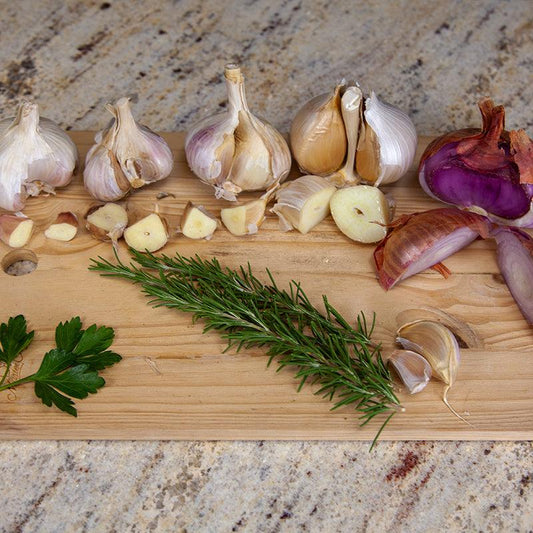
The Southern California fall planting guide can help you choose cool-season crops, garlic, transplants, rotations, successions, and backup sowings from heat departure, soil temperature, water, frost exposure, maturity range, and the desired harvest stage.
3. End summer irrigation conditionally
Use the Southern California fall irrigation guide to adjust hydrozones, repair emitters, check root depth, respond to Santa Ana demand, test pulse watering where runoff occurs, inspect the first rain, manage drainage, and protect freeze-exposed components.
4. Reset IPM after summer
The Southern California fall IPM guide helps distinguish whiteflies, mites, aphids and ants, rodents, snails, citrus pests, and disease from heat, smoke, wind, salt, root, and irrigation stress. It also explains action thresholds, targeted sanitation, beneficial habitat, and label-compliant escalation.
5. Prepare perennials and infrastructure
For citrus, avocado, berry and vine recovery; frost and wind readiness; root-zone cover; drainage; trellises; guards; tools; and localized winterization, see the Southern California perennial and infrastructure guide.
Connect regenerative practices to observations
| Practice | Intended mechanism | Condition gate | Recheck |
|---|---|---|---|
| Keep soil covered | Reduce erosion, crusting, wind loss, and avoidable evaporation | Material is clean, anchored, fire-aware, and kept clear of crowns and trunks | Infiltration, moisture, pests, runoff, and material movement |
| Maintain living roots | Extend root occupancy and nutrient capture | Water, temperature, rotation, season, and termination capacity support establishment | Competition, water use, stand health, and termination timing |
| Use soil-test-based nutrients | Match inputs to crop and measured need | Representative test, bed history, irrigation water, crop, and product analysis agree | Crop response, salts, excess nutrients, and future test trend |
| Hydrozone irrigation | Reduce avoidable runoff and evaporation | Zone reflects roots, soil, sun, wind, stage, pressure, and water quality | Delivery uniformity, root-zone moisture, runoff, and leaks |
| Retain functional habitat | Support pollinators and natural enemies | No conflict with fire safety, water limits, rodents, confirmed disease, or access | Beneficial activity, pest trend, flowering, and competition |
These mechanisms can improve resilience but do not guarantee soil, water, pest, or harvest outcomes. Imported compost and mulch can add salts, phosphorus, weeds, contaminants, cost, and transport. Living covers need water. Plastic or fabric protection needs durable support, reuse, and end-of-life planning. Habitat can shelter pests or conflict with fire defensible-space requirements; follow current local guidance.
Repair soil without over-amending
Begin by checking whether soil is powder-dry, crusted, compacted, water-repellent, saturated below mulch, eroding, or affected by salts. Rehydrate gradually enough to observe infiltration. Avoid deep work in very dry soil that turns structure into dust, and avoid working wet soil after the first storm.
Compost is not a universal repair. Use representative soil testing, irrigation-water information where relevant, bed history, crop demand, and input analysis. Repeated organic inputs can increase salinity, phosphorus, or other nutrients. Correct delivery and drainage problems before treating plant symptoms as fertility problems.
Cover the surface and establish roots only when the seed, water, temperature, season, rotation, and termination plan pass. A delayed rainy season requires an irrigation decision; a cover crop cannot establish on intent alone.
Plant from heat departure and frost exposure
For direct-sown cool crops, require suitable seed-zone temperature, even moisture, and a realistic maturity path. For transplants, add plant health, hardening, wind, and root condition. Coastal soil can be suitable while inland valleys remain hot; mountain sites may have limited time before cold.
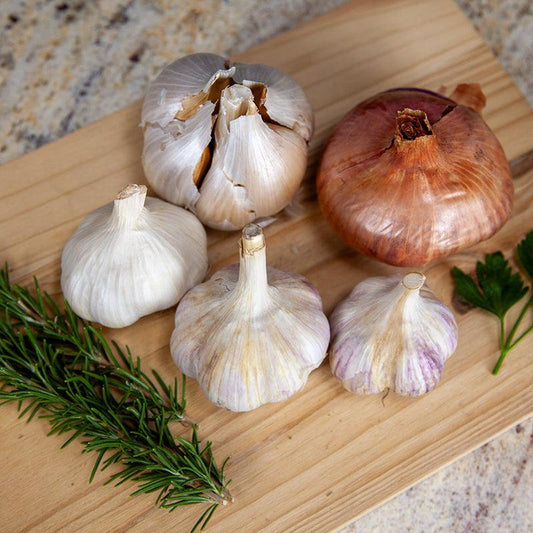
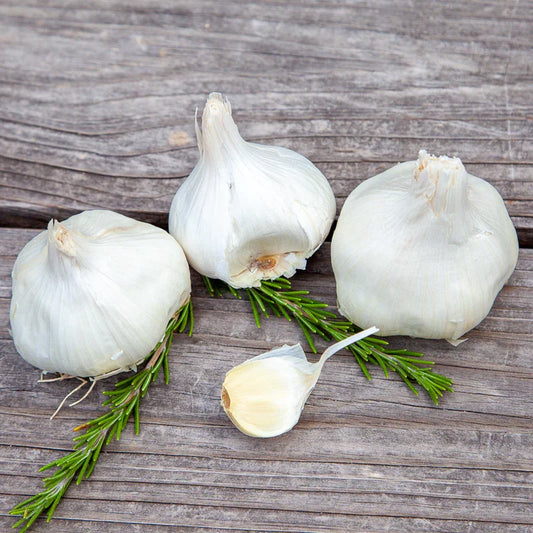
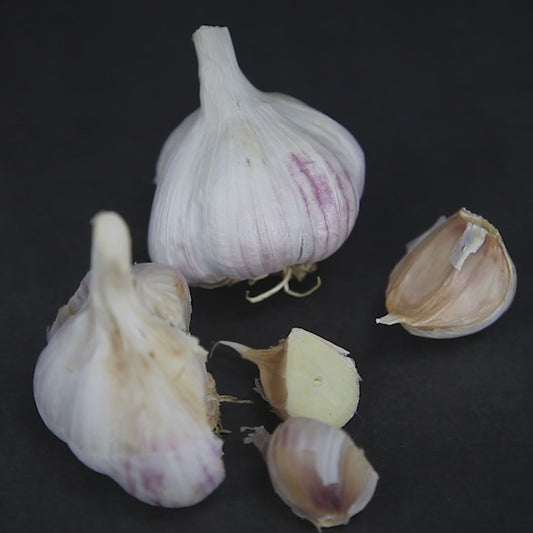
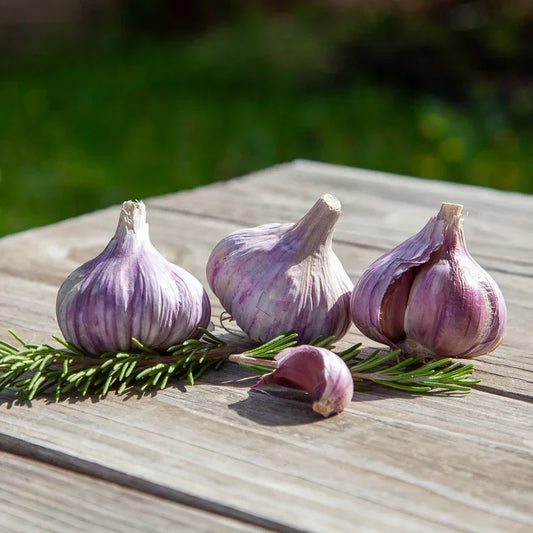
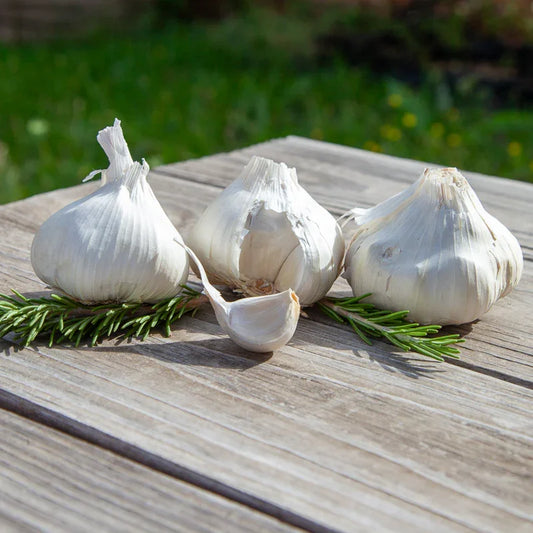
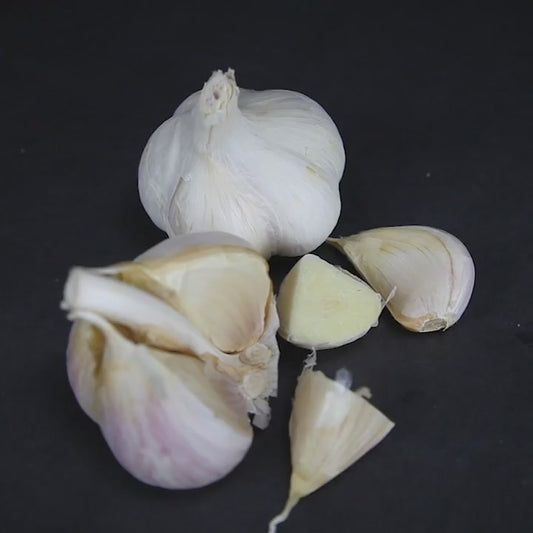
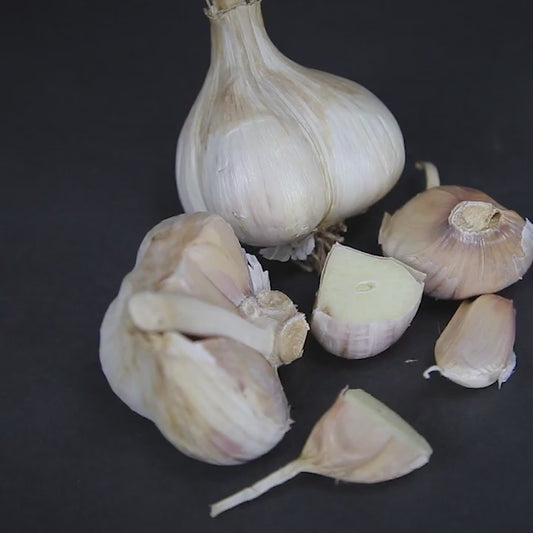
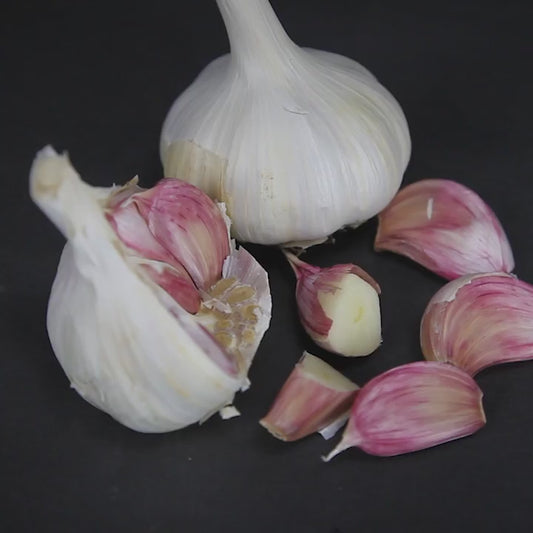
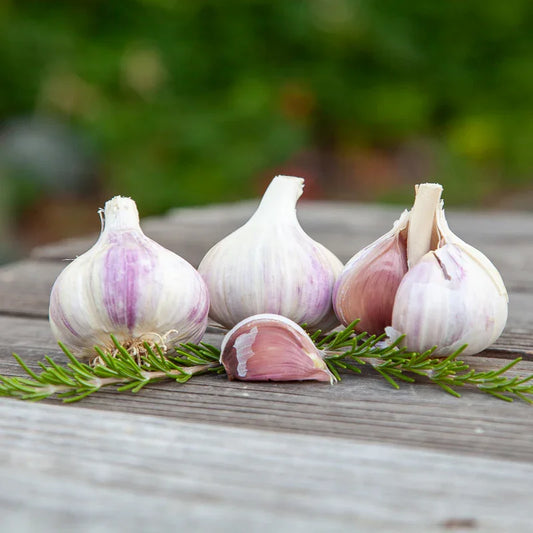
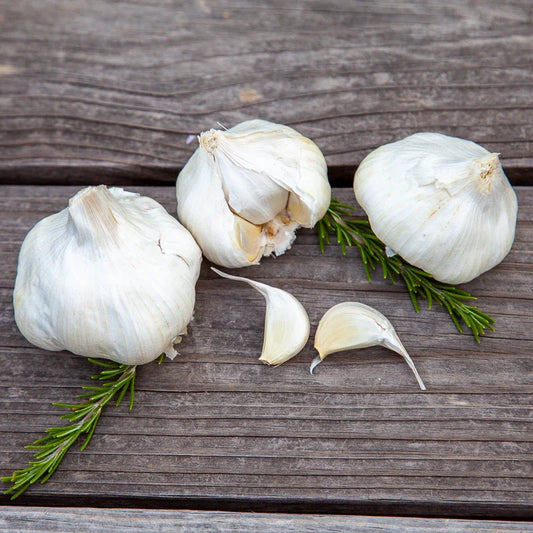
Garlic choice depends on climate, cultivar traits, chill exposure, source, and desired harvest—not simply region name. Verify that planting stock can ship to the destination and fits current availability. Do not guarantee bulb size, maturity, or harvest because weather, soil, water, planting stock, and care matter.
Use small successions and retain backup seed. Whiteflies, snails, heat, wind, or a heavy first storm can remove an early batch. Diagnose failure before repeating it.
Budget water through delayed rain
Declining evapotranspiration and shorter days often reduce demand, but Santa Ana winds and lingering inland heat can raise it temporarily. Check morning recovery, roots, and delivery rather than cutting all zones together. Young perennials, seedlings, established fruit trees, containers, and cool-season beds require different responses.
A first rain is not an automatic irrigation shutoff. Measure penetration and inspect runoff. Repair gutters, swales, outlets, paths, and bed edges only within safe, legal site practice. Avoid unverified “rain capture” that destabilizes slopes, concentrates debris, or creates standing water.
Reset IPM without blanket cleanup
Inspect leaf undersides, stems, roots, irrigation patterns, ant activity, rodent signs, fruit, and actual organisms. Whiteflies and mites may persist on heat-weakened plants; ants can protect honeydew producers; snails may become more active as moisture returns. Citrus symptoms can have multiple causes.
Use correct identification and a practical threshold. Remove confirmed diseased or heavily infested material as recommended, retain clean soil cover and beneficial habitat, and follow every pesticide label and California requirements. “Organic” does not mean non-toxic or universally safe for people, pets, wildlife, pollinators, or waterways.
Prepare for the first storm without promising capture
Walk the site before rain and map roof outlets, hard surfaces, paths, compacted zones, slope breaks, retaining structures, low points, and areas burned or left bare. Remove loose garden materials from flow paths and protect soil with appropriate anchored cover. Clear only drainage features that are designed, legal, and safe to maintain. Do not create a new channel or berm without understanding where water will go.
Rainwater capture depends on roof material, collection surface, first-flush practice, storage design, mosquito control, overflow, local codes, and intended use. A container or swale is not automatically safe or appropriate. Use current local water agency, public-health, building, and vector-control guidance. Provide a stable overflow path that does not threaten foundations, slopes, neighboring property, or waterways.
On foothill and canyon sites, wildfire history can change runoff and debris-flow risk. Garden-scale mulch, wattles, or planting should not be presented as protection against a hazardous slope or debris flow. Follow emergency and public works information and obtain qualified assessment when erosion, retaining structures, drainage, or slope stability exceeds routine bed care.
After rain, photograph and mark where water entered, slowed, ponded, eroded, and exited. Check moisture at several depths. A successful “capture” is not the largest volume retained; it is water managed within soil, plant, storage, drainage, and safety limits without creating a new hazard.
Use a crop-window comparison
| Setting | Crop question | Evidence to require | Backup |
|---|---|---|---|
| Immediate coast | Will declining light and leaf wetness limit a crop even without much frost? | Bright bed, suitable soil temperature, airflow, water, maturity and harvest goal | Young-harvest succession or soil cover |
| Inland valley | Has heat left enough for germination and transplant establishment? | Cooling trend, morning recovery, tested water, seed-zone moisture and mature range | Hold seed, use protected starts, or cover soil |
| Foothill or canyon | Can the planting survive wind, runoff, smoke interruption and cold-air drainage? | Safe work conditions, anchored protection, stable bed, water and local frost path | Small test planting and managed mulch |
| Mountain or frost pocket | Can the crop establish and reach the desired stage before likely cold? | Soil temperature, crop tolerance, maturity range, forecast, protection and aftercare | Cold-tolerant cover or protected rest |
This comparison helps prevent two common errors: planting the coast by an inland heat calendar and planting a mountain bed by a frost-light coastal calendar. The same seed packet can have different outcomes because emergence, growth rate, disease pressure, and harvest stage change with the site.
Build a fall field record
For each bed or hydrozone, record the segment, elevation or exposure, crop and stage, morning recovery, soil temperature, root-zone moisture, infiltration result, irrigation repairs, rain depth if measured, pest evidence, frost or wind forecast, action, and next trigger. Use photographs from the same position to compare soil cover, runoff, canopy, supports, and recovery.
Review the record after the first cool interval, Santa Ana event, soaking rain, and local frost. If inland sowings fail while coastal beds establish, revise the heat gate rather than adding water blindly. If a foothill bed erodes, correct safe runoff and surface protection before reseeding. If a mountain crop stalls, revise harvest stage or choose a cover. A record turns regional advice into site knowledge without promising that the next year will repeat it.
Prepare perennials for wind, rain, and localized frost
Inspect citrus, avocados, berries, vines, and young trees for root-zone moisture, mulch position, sunburn, crop load, ties, guards, broken wood, pests, and irrigation. Avoid severe pruning or nitrogen intended to force recovery. Crop, age, injury, weather, and local guidance determine the useful operation.
Secure trellises and covers for wind; keep mulch away from trunks and crowns. In mountain and frost-pocket sites, identify vulnerable plants and a protection plan that can be installed, ventilated, secured, and removed. Frost protection reduces exposure only under suitable use and cannot guarantee survival or fruit.
Use collection-first paths after the decision
When a bed has a viable living-cover path, compare Year Round Cover Crop Mixes by species, temperature, water, rotation, winter behavior, and termination. When garlic climate and site fit are defined, review Seed Garlic by variety traits and destination eligibility. When a crop and establishment window pass, browse All Vegetable Seeds by maturity range, temperature response, and harvest goal.
Before ordering, confirm current availability, shipping eligibility, regional restrictions, product status, and instructions. No collection or product substitutes for measured soil, current water rules, a safe wind and fire plan, or crop-specific guidance.
Finish with the fall reset timeline
- Now: Map heat recovery, roots, soil state, irrigation, pests, wind exposure, slopes, and frost pockets.
- Before Santa Ana or fire weather: follow official safety guidance, secure materials, protect soil, and postpone risky work.
- When heat moderates: test soil temperature, rehydrate deliberately, and open only crop-suitable beds.
- After first meaningful rain: verify rooting-depth moisture, infiltration, erosion, ponding, and drainage before changing irrigation.
- At each bed opening: choose cool crop, garlic, living cover, mulch, or rest and document the next trigger.
- As local frost approaches: finish realistic plantings, protect young roots, service exposed systems, and avoid forcing late growth.
The fall garden guide offers additional crop guidance. In Southern California, keep the local split in view: the coast, inland valleys, foothills and canyons, and mountains do not share heat, rain, wind, or frost timing. Rebuild from observations, then open each bed when its soil, water, crop, and weather conditions align.
Prepare for the seasons ahead
Use the Southern California winter guide to work through rain gaps and localized frost, the spring guide to establish crops before heat, and the summer guide to decide which beds should grow, rest, or recover.
Gardens near a regional transition may also benefit from Bay Area fall guidance, Southwest fall guidance, or Sacramento–Sierra fall guidance. Apply only the advice that matches your soil, exposure, forecast, water, and crop response.