A useful Bay Area winter plan begins with four observations: whether the soil is workable, where water is moving, how much light crops actually receive, and which parts of the garden become frost pockets. The San Francisco Bay Area can support active winter growth, but it is not one frost-free or uniformly well-drained garden. A fog-influenced bed near the coast, a bayside yard on heavy clay, a warm inland wall, and a low pocket below an exposed hill can require different actions on the same day.
Treat winter as an active gardening season, not a pause or a fixed calendar. Work during mild, dry windows; keep weight and tools off saturated ground; preserve roots and soil cover where they fit; adjust irrigation only after checking the root zone; and protect tender plants according to a site-specific forecast. Coordinate soil care, crop timing, water management, pest monitoring, and bare-root or dormant work around those same observations.
Diagnose the garden before choosing the next task
Start after a meaningful rain or during the next dry break. Divide the property into management zones rather than making one decision for the entire yard. Mark beds and paths, containers and raised beds, tree and berry root zones, roof-drip areas, low spots, slopes, wind corridors, and places that lose morning sun. Then test the condition of each zone.
- Soil workability: Lift a small sample from below the surface without stepping into the bed. If it smears, ribbons readily, shines when pressed, or stays molded after gentle pressure, postpone cultivation. If it crumbles with moderate pressure and tools do not create slick walls, limited work may be possible.
- Root-zone moisture: Check beneath the mulch or surface crust at the depth occupied by the plant's active roots. A wet surface does not prove the whole profile is wet; a dry surface does not prove roots need irrigation.
- Infiltration and drainage: Note ponding, runoff, sediment, water emerging downslope, clogged outlets, and the time different zones take to drain. Standing water around a crown or in a planting hole is a stop signal, not an invitation to add fertilizer.
- Light and temperature: Record hours of direct light, daytime recovery, nighttime lows, and cold-air drainage. Walls and pavement may create warm pockets; low areas, valleys, and sheltered basins may collect cold air.
- Plant and pest evidence: Separate chewing, slime trails, honeydew, spotting, decay, root stress, wind injury, and cold injury. Moisture stress and disease can resemble nutrient problems.
The UC Master Gardeners of San Mateo and San Francisco Counties winter guidance recommends avoiding traffic and work on wet soil, watching for collected water after rain, and adjusting irrigation when rainfall is adequate. Those are condition triggers. They should not be converted into a universal date or watering schedule.
Regional condition checklist
- Has the soil passed a crumble-and-workability check where you intend to dig?
- Did recent rain wet the active root zone, or only the surface and exposed areas?
- Are beds draining without prolonged ponding, sediment loss, or water against structures?
- Is the next job safe under the local rain, wind, frost, and slope forecast?
- Does the crop have enough light and temperature for continued growth, not merely survival?
- Are covers available, intact, vented when needed, and secured without crushing foliage?
- Are seedlings and low fruit being monitored for slugs and snails after wet weather?
- Are containers under eaves, against walls, or in wind checked separately from open beds?
- Is bare-root or dormant work matched to plant condition, drainage, chill needs, and a workable planting site?
- Are fertilizer, pesticide, and pruning decisions based on a diagnosed need and current instructions?
If several answers are unknown, the next task is measurement, not planting or purchasing. A probe, hand trowel, thermometer, rain record, and marked garden map often prevent more damage than an automatic winter treatment.
How winter decisions change across Bay Area segments
| Garden segment | Likely winter constraint | First operating move | What should delay the work |
|---|---|---|---|
| Coastal fog belt and marine terraces | Low heat accumulation, wind, extended leaf wetness, and slow crop growth | Prioritize light, airflow, sheltered placement, and root-zone checks before adding water | Dense wet canopy, poorly drained crown, or protection that cannot be ventilated |
| Bayside flats and heavy soils | Compaction, smearing, ponding, runoff, and low root-zone oxygen after storms | Keep traffic on paths, protect the surface, observe drainage, and wait for workability | Soil that ribbons or shines, a test hole that refills, or water standing around roots |
| Warmer inland valleys | Alternating mild growth, dry breaks, and localized cold nights | Use actual light, soil moisture, and forecast lows to manage crops and irrigation by zone | Warm-day assumptions that ignore a cold low spot or a dry root zone under an overhang |
| Exposed hills and frost pockets | Wind, erosion, cold-air drainage, and rapid exposure changes | Secure soil and structures, map the coldest spots, and protect only the plants that need it | Unsafe access, unstable slopes, concentrated runoff, or covers likely to become sails |
These segments can occur within one property. A south-facing wall may support active greens while the base of the same yard freezes. A sandy coastal bed may drain quickly while a compacted path beside it stays saturated. Manage the observed zone and preserve the distinction in your notes.
Use a condition-based winter action timeline
After a soaking rain
Stay on permanent paths. Inspect inlets, outlets, terraces, downspouts, mulched surfaces, and low points without entering saturated beds. Mark ponding and erosion, clear safe debris from intended drains, and check whether overflow is moving toward structures or neighboring property. Do not redirect or retain stormwater where local rules, slope stability, utilities, or structural safety are uncertain; complex drainage deserves qualified help.
Probe several zones after water has had time to move. If bayside clay remains plastic, delay digging, transplanting, compost incorporation, and wheelbarrow traffic. Protect exposed soil with an appropriate surface cover without burying crowns, holding water against trunks, or creating a fire or pest-management conflict. A cover crop is useful only when establishment water, species fit, future termination, and bed timing are realistic.
During a dry break
Use the window for jobs that require safe footing and reasonably dry foliage: repair irrigation, clean tools, support plants, thin only where the plant-specific timing is appropriate, remove confirmed disease sources, and prepare but do not force planting sites. Check beds under eaves, containers, raised beds, and newly established perennials because rain distribution is rarely uniform.
Do not restart irrigation from the clock. The UC Master Gardener irrigation guidance explains that watering frequency changes with root depth, soil texture, and weather. Measure moisture and decide by hydrozone. A container in wind may need water while an adjacent clay bed needs none. When irrigation is needed, apply enough to reach the active roots without causing runoff or leaving the crown saturated, and recheck rather than assuming delivery was uniform.
Before a forecast cold night
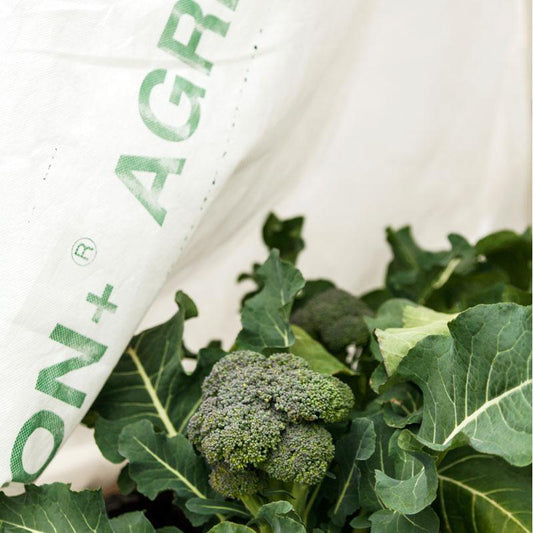
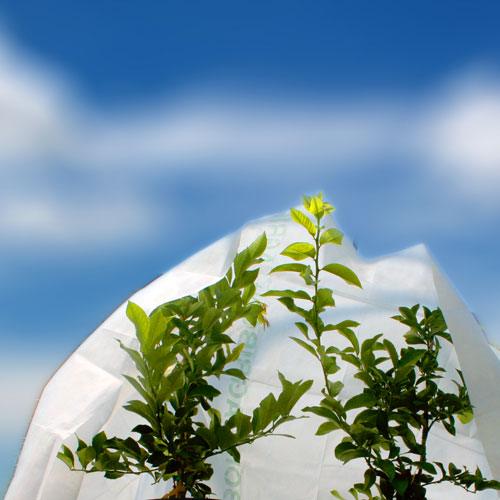
Check a trustworthy local forecast and a thermometer in the garden's actual low spot. Identify tender plants, active new growth, seedlings, containers, and grafts rather than covering everything. Ensure root zones are appropriately moist but not soggy, move eligible containers to shelter, and install clean, intact cover according to its instructions. Support the material above sensitive foliage when the system requires it, secure edges against wind, and plan when to vent or remove it as conditions change.
Protection can reduce exposure; it cannot guarantee survival. The USDA Plant Hardiness Zone Map describes average annual extreme minimum temperatures and does not capture every garden microclimate or predict a particular freeze. Use it to screen perennial suitability, then consider the site's exposure, plant age, dormancy, duration of cold, and forecast.
When light and soil temperature begin to recover
Reassess crops rather than assuming a date creates a planting window. Winter greens, roots, peas, and protected starts need a workable seedbed, adequate light, compatible soil temperature, and enough time under likely conditions to establish. In the fog belt, limited light and prolonged leaf wetness may be the binding constraint. In an inland warm pocket, a mild spell may encourage growth that remains vulnerable to the next freeze.
Use succession sowing to distribute weather risk instead of committing all seed to one interval. Maintain rotation and clean records, but do not expect rotation alone to prevent disease. Before sowing, confirm that the bed is workable and that light, soil temperature, moisture, drainage, and frost exposure support the crop.
Put winter tasks in the safest order
- Stabilize soil. Keep bare ground protected, preserve living roots where they fit, and prevent traffic or cultivation from compacting wet soil. Use compost or another input only after identifying the purpose, material quality, soil-test context, crop need, and salinity or nutrient implications.
- Correct water movement. Repair leaks and clogged outlets, observe how rain moves, and separate drainage problems from irrigation problems. Avoid a single shutoff decision for the whole property.
- Match food production to the site. Choose crops and sowing methods from light, soil temperature, moisture, drainage, and frost exposure. Protection must be manageable and ventilated.
- Use winter IPM. Scout after rain and during mild spells. Confirm the organism or disorder before acting, preserve useful habitat, and remove only the material that sustains a documented problem.
- Complete perennial work in a suitable window. Match bare-root planting and dormant care to workable soil, plant condition, chill and hardiness needs, drainage, and crop-specific pruning guidance.
- Recheck the system. After each major rain, dry break, cold event, or planting operation, revisit soil, roots, covers, slopes, irrigation, and pest evidence.
This order avoids common reversals. Planting before drainage is understood can place roots into an anaerobic basin. Fertilizing a waterlogged plant can increase salts or nutrient loss without fixing oxygen stress. Covering a dense wet canopy can preserve leaf wetness. Pruning on a convenient date can conflict with a crop's disease risk or flowering habit.
Connect regenerative practices to measurable outcomes
Continuous soil cover can intercept raindrop impact, reduce bare-soil exposure, and support aggregation, but the method matters. Living cover competes for water and requires establishment and termination. Imported mulch has transport, sourcing, pest, crown-moisture, and defensible-space considerations. Retained residue may be useful in one bed and unsuitable around a diseased crop or a rodent harborage.
Living roots can extend biological activity and occupy soil between cash crops where light, water, drainage, and the next rotation permit. Do not seed saturated clay simply to claim continuous roots. A protected residue layer and delayed planting may be the lower-disturbance choice.
Soil-test-based nutrient cycling prevents compost and fertilizer from becoming automatic winter rituals. Interpret a representative test with crop demand, amendment analysis, bed history, pH, salinity, and label directions. Nutrient additions should have a defined purpose; expected improvements are mechanisms, not guaranteed outcomes.
Hydrozoning separates crops, containers, established perennials, trees, and low-water plantings so rain gaps can be managed by actual need. It can lower avoidable water loss when the system is maintained and monitored. It does not replace root-zone observation.
Functional beneficial habitat retains flowers, shelter, and structural diversity where it supports natural enemies and other organisms. Keep habitat intentional: dense wet growth and unmanaged debris can also shelter slugs, snails, rodents, or disease. Preserve useful patches while removing fruit mummies, confirmed disease sources, and materials that sustain a known pest cycle.
Manage winter biological and weather risks without guarantees
Wet periods can increase the visibility of slugs and snails, while protected or mild sites may support aphids and whiteflies. Mites can persist on stressed plants, rodents can target seed and roots, and extended leaf wetness can favor foliar disease. Diagnose from evidence. Slime trails and night feeding support a mollusk diagnosis; sticky honeydew and colonies point toward sap-feeding insects; spotting patterns, fruiting structures, root condition, and moisture history help separate disease from abiotic stress.
Begin with monitoring, sanitation that targets the problem, moisture and airflow correction, exclusion, hand removal, and conservation of natural enemies where appropriate. UC IPM notes that snail and slug management requires combined practices and that baits alone do not provide adequate long-term control where shelter, food, and moisture remain. If a pesticide is justified, use only a product currently registered and labeled for the site and target, and follow the full label and applicable regulations. Protect people, pets, wildlife, pollinators, aquatic systems, and other nontarget organisms as directed.
Atmospheric-river rain, strong wind, localized flooding, erosion, and frost can overlap. Do not work on an unsafe slope or improvise structural drainage. Covers must be secured for wind, but a secured cover still needs crop-appropriate ventilation and timely removal. No cover, bait, irrigation adjustment, or regenerative practice can guarantee frost protection, pest prevention, disease prevention, or harvest.
Avoid five winter shortcuts
Do not treat a rain gauge as a root-zone measurement. Wind, canopy interception, roof overhangs, slope, surface crusting, mulch, and soil texture change how much rain reaches and remains around roots. Compare the gauge with a probe in each important hydrozone. The correction may be no irrigation, limited irrigation in a sheltered bed, or drainage work after the soil is safe to approach.
Do not loosen saturated clay to “help it breathe.” Cultivation when soil is plastic can collapse pores, smear surfaces, and form clods that persist after drying. Mark the problem, protect the bed from traffic, and wait for a workability check. Long-term structure is built through suitable roots, surface protection, organic inputs used for a defined need, and reduced disturbance—not emergency tillage during a storm cycle.
Do not diagnose yellow leaves as fertilizer deficiency by color alone. Low light, cold roots, saturated soil, salinity, root disease, senescence, and nutrient imbalance can overlap. Examine the plant pattern and root-zone history, test when the result will change the decision, and apply nutrients only for a supported crop and soil need. Follow the product label; more fertilizer cannot restore oxygen to a waterlogged profile.
Do not assume every mild afternoon is a planting window. Establishment depends on soil temperature, nighttime conditions, light, drainage, and the crop's growth rate. A short warm interval can be useful for inspection and repair while still being too brief for a tender transplant. Use hardy choices and succession where conditions support them, then hold reserve seed rather than risking the whole planting at once.
Do not make the garden uniformly clean. Remove materials that carry a verified pest or disease cycle, block drainage, threaten structures, or create unsafe access. Retain deliberate habitat and protected soil elsewhere. Overcleaning can eliminate overwintering resources for beneficial organisms and expose soil; indiscriminate debris retention can shelter rodents or mollusks. The correct boundary follows the diagnosed function of each patch.
Choose products only after defining the need
If a suitable site has workable soil, compatible drainage, and a plant chosen for its mature size, pollination, chill, hardiness, and local conditions, compare the current All Bare Root Trees and Berries & Vines collections. Availability and shipping windows do not establish local suitability.
For a bed with adequate light, workable soil, and a crop-specific plan, compare All Vegetable Seeds by temperature response, maturity estimate, growth habit, and disease information. When a forecast and site assessment show a need for temporary protection, review Frost Protection by material, size, support needs, ventilation, reuse, and current instructions.
Recheck live inventory, Online Store availability, regional eligibility, shipping restrictions, and product instructions immediately before purchase or use. Choose the collection after the horticultural decision, not as a substitute for it.
Bay Area winter checklist
- Map coastal exposure, heavy-soil zones, warm pockets, slopes, cold-air drainage, overhangs, and permanent paths.
- Test soil workability and root-zone moisture before digging, planting, fertilizing, or irrigating.
- Inspect runoff and drainage after meaningful rain; keep traffic off saturated beds.
- Protect bare ground with a practice matched to crowns, pests, fire guidance, water, and the next crop.
- Adjust irrigation by hydrozone only after confirming rainfall depth and root-zone need.
- Match winter crops to light, soil temperature, drainage, and the local frost trajectory.
- Monitor slugs, snails, sap feeders, rodents, and disease; identify before intervening.
- Use covers only for diagnosed exposure and manage support, wind security, ventilation, and removal.
- Plant bare-root stock or prune only in a crop-appropriate window with workable soil and safe weather.
- Recheck after each storm, dry break, or cold event and record what changed.
For step-by-step help, use Grow Organic's Winter Garden Tips and low-tunnel frost-protection guide. Use those techniques only after checking the garden's soil, exposure, and forecast.
Coordinate the rest of your Bay Area winter garden
- Decide when to stay off wet beds with Bay Area Winter Soil Care.
- Choose crops by light, drainage, and exposure with Greens, Roots, Peas, and Frost-Pocket Protection.
- Coordinate storms and dry breaks with Rainfall Capture, Drainage, and Irrigation Shutoff Decisions.
- Diagnose wet-season problems with Wet-Weather IPM for Bay Area Gardens.
- Time perennial work with Bare-Root Planting and Dormant Care.
Compare current conditions with the Bay Area fall garden plan. Record which zones drained first, where frost settled, which crops held acceptable quality, and where soil or infrastructure needs correction before spring growth accelerates.
Plan for the next season
Use winter records to prepare for spring and summer.
Compare local conditions with Southern California, Sacramento–Sierra, and Oregon. Apply only the advice that matches your soil, exposure, forecast, water, and crop response.