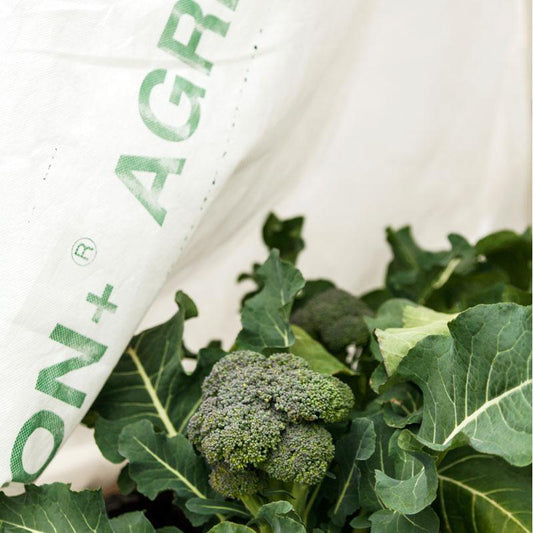
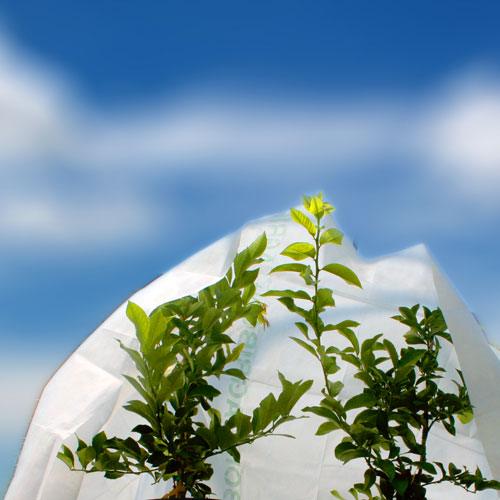
Southern California winter food production ranges from active coastal beds to protected inland crops and limited mountain windows. Choose a crop from soil workability, seed-zone temperature, daylength, protected-space conditions, water, local frost, and desired harvest stage. Mild daytime air does not guarantee useful growth, while a frost pocket can close a window that remains open a few miles away.
Successful winter food production starts by matching cool crops, successions, transplants, and protected spaces to local light, temperature, moisture, and frost exposure. Use the Southern California winter organic plan to assess the whole garden, the winter soil guide before opening a saturated or frozen bed, and the winter water guide for storm, dry-gap, and container decisions.
Pass six winter production gates
- Workability: Soil is friable through rooting depth, not saturated or thawed only at the surface.
- Temperature: Soil and protected-space temperature fit germination, establishment, and crop growth.
- Light: The site has enough winter light for the desired harvest stage.
- Water: Rain or irrigation can maintain roots without runoff, saturation, or violating current rules.
- Cold: Forecast minimum, cold-air drainage, snow, wind, crop tolerance, and protection capacity align.
- Care: The gardener can vent, water, scout, thin, protect, and harvest the planting.
Use a subregional crop and timing matrix
| Setting | Production opportunity | Evidence to require | Wait or modify when |
|---|---|---|---|
| Immediate coast and marine layer | Cool-season greens, roots, peas, brassicas, and herbs may remain active | Bright bed, workable soil, adequate foliage drying, measured water, and a realistic maturity or young-harvest goal | Low light, saturation, snails, or disease pressure defeats useful growth |
| Inland valleys | Cool crops can grow between dry breaks and frost events | Root-zone moisture, local cold path, healthy transplants, and managed protection pass | Warm spell, sharp cold, uneven irrigation, or frost exposure exceeds crop and care capacity |
| Foothills and canyons | Sheltered beds may support small, reversible plantings | Safe slope and access, anchored protection, water, wind plan, and known cold-air drainage | Storm, debris-flow, Santa Ana, smoke, or frost conditions make care unsafe |
| Mountains and frost pockets | Cold-tolerant, young-harvest, or protected crops may fit limited windows | Workable soil, crop tolerance, daylength, snow and freeze outlook, and credible protection | Frozen profile, deep cold, snow load, or short season defeats the intended harvest |
This matrix is not a calendar. An inland wall, shaded coastal courtyard, canyon floor, and mountain slope can have different light and temperature. Record the exact bed.
Choose the harvest stage before the crop
Baby leaves, thinnings, full heads, storage roots, or peas require different time and light. Maturity descriptions are estimates and may count from sowing or transplanting. Add germination, establishment, slowing winter growth, rain, frost, pests, and harvest contingency.
USDA hardiness zones describe average annual extreme minimum temperature, not first frost or vegetable timing. Use local forecasts, site history, soil readings, and crop guidance.
Sequence sowing and transplants
Prepare only a workable seed zone and retain surrounding soil cover. Measure temperature at crop-relevant depth. The soil-temperature guide provides crop context.
Direct sow when seed contact, temperature, moisture, light, and pest pressure fit. Use a small batch and retain backup seed. Poor emergence can follow cold, saturation, crusting, dry soil, seed quality, birds, rodents, snails, or disease; diagnose before reseeding.
Transplants can preserve time but require healthy roots and hardening to light, wind, temperature, and water. Use the seed-starting guide for practical propagation and hardening techniques. Do not plant a weak or root-bound start merely to free indoor space.
Use protected culture as an environment
A low tunnel or cover changes temperature, wind, light, humidity, leaf wetness, and irrigation. Measure inside, inspect roots, and vent when sunlight raises heat. Secure material before wind and keep it from abrading or crushing plants.
The frost and low-tunnel guide covers setup. Compare Floating Row Covers or Frost Protection only when dimensions, anchoring, ventilation, crop, and instructions fit. No cover guarantees survival or harvest.
Separate coast, valley, canyon, and mountain bottlenecks
Coast: Light and leaf wetness may limit growth more than frost. Place later crops in bright beds, avoid excess irrigation, and maintain airflow. Snails and aphids can damage tender growth.
Inland valley: Monitor warm dry gaps and cold nights. A cover can buffer a short event but requires daily management. Keep seedlings watered at roots without maintaining saturated foliage or soil.
Canyon or foothill: Use small plantings through uncertain wind and storm windows. Do not install covers or irrigation where slope, fire, wind, or debris-flow hazards make them unsafe.
Mountain: Frozen soil and low light can stop growth even if air briefly warms. Protect infrastructure, choose conservative harvest stages, and shift to protected propagation or covered rest when the window closes.
Use successions conditionally
Let emergence, current growth, protected-space temperature, forecast, and remaining light trigger the next small sowing. Repeating on a fixed interval can waste seed and water during a cold or saturated period.
Rotate plant families where feasible, recognizing that small gardens and broad-host pests limit perfect rotation. Legume inoculation is appropriate only when crop-specific, viable, indicated, and used according to its label.
Separate germination, establishment, and production
A seed can germinate at a temperature that does not support rapid later growth, and a transplant can survive conditions that will not produce a useful harvest. Evaluate three stages separately. First, can seed or roots establish? Second, can the plant build enough healthy leaf and root area? Third, can it reach the desired harvest before light, cold, disease, or heat changes the window?
On the immediate coast, mild temperature may pass while a shaded bed fails the light gate. In an inland valley, bright days may support growth while a cold-air pocket threatens nights. In mountains, a temporary thaw may allow neither root function nor long-term growth. If only the first stage passes, hold the crop or choose a protected propagation plan.
Use daylength and shade as real constraints
Winter growth can slow as daylength and solar angle fall, especially beside walls, trees, or canyon sides. Observe when direct light reaches the bed and how long it remains. A crop described as shade tolerant still needs enough energy for the intended harvest. Move containers or place new crops only where access and stability remain safe.
Protection material further reduces or changes light. Dirt, condensation, multiple layers, and low sun can compound the effect. Measure temperature and inspect crop color, internode length, leaf orientation, and growth rather than assuming the cover improves every condition.
Manage containers and protected beds separately
Containers have small root volumes, exposed sides, and drainage holes that can dry or freeze differently from ground soil. Rain may miss containers under eaves or covers. Check moisture and drainage individually and avoid leaving pots in standing water. Secure them before wind and ensure the surface can support their weight when wet.
A protected bed may need irrigation during rain because the cover excludes water. It may also remain humid and warm enough for aphids, whiteflies, or disease. Include ventilation, root checks, sanitation, and pest scouting in every protected-bed routine. Do not connect protected and open beds to one automatic response.
Use a frost-event decision table
| Observation | Decision | Caution |
|---|---|---|
| Frost-light coast, tolerant crop, healthy roots | Monitor the local minimum and use protection only if crop stage warrants it | Marine influence does not eliminate cold pockets or wind |
| Inland transplant in a mapped cold-air pocket | Delay, relocate if practical, or install a manageable cover | Hardening does not make a tender plant frost-proof |
| Canyon bed under wind or fire restrictions | Prioritize safety and use only secure, compliant materials | A loose cover can become a hazard |
| Mountain soil frozen below the surface | Keep the crop protected or postpone planting until the profile is workable | Warm afternoon air is not proof of root-zone readiness |
| Plant injured after cold | Wait for injury to declare, compare viable tissue, and use crop-specific guidance | Do not force recovery with fertilizer or premature pruning |
Choose a useful backup when the planting window closes
Keep backup seed and an alternative harvest stage. If a full root or head becomes unrealistic, baby leaves or thinnings may still provide value. If frost, saturation, low light, or unsafe weather closes the food-crop path, protect the bed with clean residue or suitable mulch, or maintain an existing cover.
Do not sow a cover crop merely to keep soil green. Require temperature, water, light, rotation, and termination capacity. A nonliving cover can be the more responsible choice when growth is unlikely or irrigation would be excessive.
Keep a winter production record
Record bed, segment, crop, variety, sowing or transplant method, soil temperature, workability, daylength exposure, protected-space temperature, root-zone moisture, rain or irrigation, local minimum, protection, pests, emergence, growth, and harvest. Photograph a representative plant and the bed.
Use the record to trigger the next succession and refine microclimate choices. A crop that grows slowly but remains healthy may need a revised harvest stage, not fertilizer. A repeated aphid problem under cover may call for ventilation and scouting changes. A mountain bed that freezes at rooting depth needs a different window, not a coastal date.
How to compare frost covers: Fabric weight changes both insulation and light transmission, so select the cover for the crop, forecast low and duration, bed dimensions, foliage contact, wind exposure, and ventilation plan. A cover works only when it extends over the complete canopy and its perimeter can be secured near the ground before temperatures fall. Check the temperature and moisture beneath it, edge gaps, wind abrasion, condensation, and daytime heat; open or remove it when light, pollination, or warming requires access. A timer, forecast, or product rating cannot account for every frost pocket, stored-soil-heat condition, or crop tolerance. Frost fabric may reduce exposure, but it cannot guarantee that plants will avoid injury or make a crop appropriate for the remaining seasonal runway.
Choose supplies after the window opens
Browse All Vegetable Seeds after defining crop family, maturity range, temperature, light, and harvest goal. Use Plant Propagation only for a system whose light, temperature, sanitation, and hardening you can manage. Before ordering, confirm current availability and shipping eligibility.
Scout winter crop problems
Aphids and whiteflies can build on protected tender growth; snails may increase with moisture; disease can follow leaf wetness. Frost, saturation, salt, low light, wind, and transplant shock can mimic biological injury. Inspect leaf undersides, roots, stems, irrigation, and actual organisms.
Use threshold-based IPM and protect beneficial organisms. Follow every pesticide label and applicable California requirements.
Use a final winter planting checklist
- The bed is workable through rooting depth.
- Temperature and light fit the crop and harvest stage.
- Rain or irrigation can maintain roots without saturation.
- Local frost, wind, snow, and cold-air drainage are acceptable.
- Transplants are healthy and hardened.
- Protection can be secured, vented, inspected, and removed.
- Rotation, pests, and backup seed are recorded.
- A covered-rest option is ready if the window closes.
Southern California winter food production succeeds when the crop matches the microclimate. Grow actively on suitable coast and valley beds, protect only manageable windows, and let canyons and mountains shift to safer, smaller, or dormant plans as conditions require.
Recheck collection availability, regional eligibility, packet or supplier guidance, and current forecasts immediately before sowing or purchase. No seed, transplant, tunnel, or cover guarantees germination, frost survival, maturity, or harvest.
Plan the next planting season
Use the fall crop guide for garlic and transplants, the spring succession guide to harvest before summer heat, and the summer crop guide to choose heat-tolerant crops or let a bed rest.
Gardeners near a regional transition can also compare Bay Area winter crop choices, Southwest winter vegetables, or Sacramento–Sierra frost-zone crops. Choose only crops and methods that fit your soil, exposure, forecast, water, and harvest goals.