When to Harvest Purple Majesty Potatoes: Understanding Days to Maturity and Harvest Timing
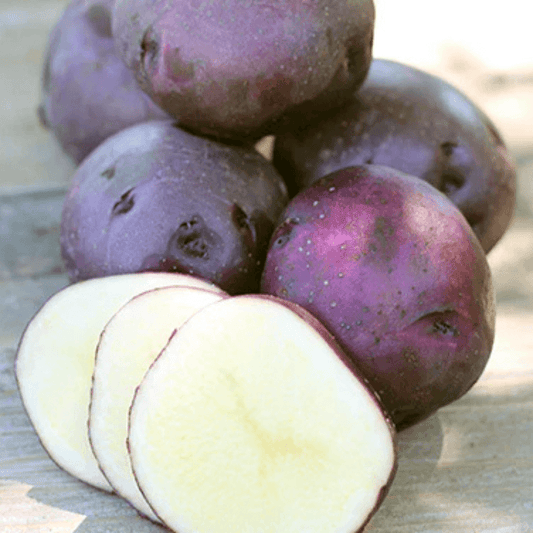
Purple Majesty potatoes stand out in the garden with their deep purple skin and vibrant purple flesh. They are popular with home gardeners because they are productive, attractive, and valued for their distinctive color and culinary versatility. However, one of the most common questions gardeners ask is when to harvest Purple Majesty potatoes.
Harvesting too early can result in small potatoes with thin skins. Waiting too long can increase the risk of damage from pests, disease, or poor weather. Knowing when your crop is ready helps you get the best flavor, storage quality, and yield.
In this guide, we'll explain the typical purple majesty potato days to harvest, how to recognize harvest-ready plants, and what to do after digging your crop.

Understanding Purple Majesty Potato Growing Time
Before discussing harvest, it helps to understand the normal growth cycle. Grow Organic’s active SP807 listing classifies Purple Majesty as mid-season at approximately 80 or more days to maturity. This means the typical purple majesty potato days to maturity falls within that range.
Many gardeners also search for purple majesty potatoes days to maturity because they want to plan planting and harvest dates more accurately.
While maturity dates provide a useful guideline, the plants themselves give the best clues about harvest readiness.
How Long Do Purple Majesty Potatoes Take to Grow?
If you've wondered how long do Purple Majesty potatoes take to grow, the answer depends on whether you want new potatoes or mature storage potatoes.
- New potatoes: Begin careful test digging once tubers have formed; calendar estimates vary.
- Mature potatoes: Use the 80-plus-day product guidance together with vine decline and skin set.
- Weather can speed up or slow down development.
When gardeners ask about purple majesty potatoes how long to grow to harvest, the safest answer is that most crops are ready roughly three months after planting, but visual signs matter more than counting days alone.

Purple Majesty Potato Planting Time
Successful harvest starts with proper timing. The best purple majesty potato planting time is usually in early spring after the danger of severe frost has passed and the soil can be worked.
For most regions:
|
Climate |
Planting Time |
| Mild Winter Areas | Late winter to early spring |
| Cool Climates | Early to mid-spring |
| Northern regions | Spring after soil warms |
Many gardeners purchase certified seed potatoes from reputable suppliers instead of using grocery store potatoes.
When planting, place seed pieces about 3 to 4 inches deep. Some gardeners ask whether planting only an inch deep is enough. In most cases, potatoes planted too shallow are more likely to become exposed to sunlight as they grow.
For best results, start with quality seed stock such as the Organic Purple Majesty Potato from Grow Organic's collection of Seed Potatoes and Spring Potatoes.

Signs That Purple Majesty Potatoes Are Ready to Harvest
One of the most common questions beginner gardeners ask is, "How do I know when my Purple Majesty potatoes are ready to dig up?"
While seed catalogs often list a maturity range of about 80 to 100 days, the calendar should only be used as a guide. Weather, soil conditions, and growing practices can all affect how quickly potatoes mature.
The best way to know when harvest time has arrived is to watch your plants. Purple Majesty potatoes provide several visual clues that indicate when the tubers underground are reaching maturity.
1. Leaves Begin Turning Yellow
One of the first signs that harvest time is approaching is yellowing foliage. As the potato plant nears the end of its life cycle, it naturally redirects energy away from producing leaves and stems. Instead, the plant focuses on finishing the development of the tubers underground.
A few yellow leaves do not necessarily mean the potatoes are ready to harvest immediately. However, widespread yellowing across the plant is a strong indication that maturity is getting close.
For beginner gardeners, this is often the first signal that it's time to start checking the crop more carefully.
2. Vines Start Dying Back
The most reliable indicator of maturity is vine dieback. As the plant finishes growing, the stems and leaves gradually turn brown, dry out, and collapse. This process is known as senescence, which is simply the plant's natural aging process.
When most or all of the vines have died back, the potatoes have usually reached their maximum size and are preparing for storage. Many experienced gardeners wait until the foliage has mostly died before harvesting potatoes intended for long-term storage.
3. Potato Skins Become Firm
Mature potatoes develop thicker, tougher skins that help protect them during storage.
You can test maturity with a simple skin test:
-
- Carefully dig up one potato from the edge of the plant.
- Rub the skin gently with your thumb.
- If the skin remains intact, the potato is mature.
- If the skin rubs off easily, leave the remaining crop in the ground for another week or two.
This simple test is one of the most accurate ways to determine whether storage potatoes are ready for harvest.
4. Days to Maturity Have Been Reached
Purple Majesty potatoes typically mature in approximately 80 or more days, depending on growing conditions. If your plants are approaching this timeframe and the foliage is beginning to yellow or die back, harvest time is likely near.
Keep in mind that cooler temperatures, cloudy weather, or slow early growth can extend the growing period by several days or even a few weeks. Because of this, plant appearance should always be considered alongside the maturity date rather than relying solely on the calendar.

Harvesting New Potatoes vs. Mature Potatoes
Not every potato harvest needs to happen at the same stage. The timing depends on how you plan to use your potatoes.
Harvesting New Potatoes
New potatoes are young potatoes harvested before they reach full maturity.
They are prized for their:
- Thin, tender skins
- Moist texture
- Delicate flavor
- Excellent eating quality when freshly harvested
Many gardeners begin checking for new potatoes about 7 to 8 weeks after planting, often around the time the plants begin flowering. To harvest a few new potatoes, gently reach into the soil near the edge of the plant and remove several larger tubers while allowing the plant to continue growing. Because new potatoes have not fully developed their protective skins, they do not store well and are best eaten within a few days.
Harvesting Purple Majesty Potatoes for Storage
If your goal is long-term storage, patience pays off. Allow the plants to complete their life cycle and die back naturally before harvesting.
Waiting for full maturity allows the skins to toughen, reducing moisture loss and helping protect the potatoes from disease during storage. Many gardeners also find that fully mature Purple Majesty potatoes develop a richer flavor and better texture than potatoes harvested early.
How to Harvest Purple Majesty Potatoes
Harvesting potatoes is simple, but care is important to avoid damaging the tubers.
Step 1: Stop Watering
Reduce or stop irrigation about one week before harvest. Slightly drier soil is easier to work with and reduces the amount of mud sticking to the potatoes.
Step 2: Loosen the Soil
Insert a garden fork or shovel several inches away from the plant base. Dig carefully and lift the soil slowly. Potatoes often grow farther from the stem than beginners expect, so avoid digging too close to the plant.
Step 3: Lift the Plant
Gently lift the root zone and sift through the soil by hand. Purple Majesty potatoes are usually easy to find thanks to their dark purple skin. Take your time and search carefully. It's common to miss a few potatoes during the first pass.
Step 4: Remove Excess Soil
Brush away loose soil using your hands. Do not wash potatoes that you intend to store. Excess moisture can encourage rot and shorten storage life. If you plan to cook them immediately, washing is perfectly fine.

What Happens If You Harvest Too Early?
Harvesting early is not harmful, but the potatoes may not have reached their full potential.
Immature potatoes are usually:
- Smaller
- More easily bruised
- Thin-skinned
- Less suitable for storage
They are still completely edible and often taste excellent when eaten fresh.
If long-term storage is your goal, allowing the crop to mature fully will generally produce better results.
What Happens If You Leave Potatoes in the Ground Too Long?
A short delay after maturity is usually not a problem. However, leaving potatoes in the ground for several extra weeks can increase the risk of:
- Rodent damage
- Wireworm damage
- Rot caused by wet soil
- Sprouting
- Frost injury in colder climates
Once the vines have died back and the skins have set, it is usually best to harvest within a reasonable timeframe.
Curing Potatoes After Harvest
Freshly dug potatoes benefit from a process known as curing. Curing allows small cuts, scrapes, and bruises to heal while helping the skin toughen further. Place harvested potatoes in a dark, well-ventilated location for 10 to 14 days.

Ideal curing conditions include:
- Temperatures of 50°F to 60°F (10°C to 16°C)
- Good airflow
- High humidity
- No direct sunlight
Avoid piling potatoes too deeply during curing, as good air circulation helps prevent spoilage.
Proper curing can significantly improve storage life.
Storing Purple Majesty Potatoes
After curing, move the potatoes to a cool, dark storage area.
Ideal storage conditions include:
- Temperatures around 40°F to 46°F (5°C to 8°C)
- High humidity
- Complete darkness
-
Good ventilation
Store potatoes in:
- Ventilated crates
- Wire baskets
- Mesh bags
- Paper sacks
Avoid plastic bags because they trap moisture and increase the risk of rot.
Also keep potatoes away from direct sunlight, which can cause greening and the production of bitter compounds.
Under proper storage conditions, well-cured Purple Majesty potatoes can remain in good condition for several months.
Helpful Resources for Growing Better Potatoes
Grow Organic offers several excellent resources for potato growers:
- Potato Growing Guide
- Grow Bigger, Healthier Potatoes
- Perfect Timing for Potato Harvest
- Potato Flower: Top Reasons You Have No Potatoes Yet
- Potato Leaves Turning Yellow: Common Causes and Solutions
- Potato Blight: How Gardeners Can Stop It Before Spread
- Potato Companion Plants: Best Garden Pairings for Growth
- Maximizing Small Space Potato Yields
Featured Product
If you're planning to grow this colorful variety, consider:
- Organic Purple Majesty Potato – A striking purple-fleshed potato known for excellent flavor, attractive color, and reliable garden performance.
Conclusion
Knowing when to harvest Purple Majesty potatoes is one of the most important parts of growing a successful crop.
While the average purple majesty potato days to maturity is about 80 or more days, the best indicators come from the plants themselves. Yellowing leaves, dying vines, and firm potato skins all signal that harvest time is near.
By planting quality seed potatoes, providing consistent care, and harvesting at the right stage, gardeners can enjoy a productive crop of beautiful purple potatoes with excellent flavor and storage quality.
FAQs About Harvesting Purple Majesty Potatoes
How many days to harvest Purple Majesty potatoes?
What are Purple Majesty potatoes good for?
What fertilizer increases Purple Majesty potato size?
How do you care for Purple Majesty potatoes?
How long should Purple Majesty potatoes stay in the ground before harvesting?
How can you tell when Purple Majesty potatoes are ready to harvest?
What happens if I leave my Purple Majesty potatoes in the ground too long?
Can Purple Majesty potatoes be eaten immediately after harvest?
What happens if you plant Purple Majesty potatoes in November?
How many Purple Majesty potatoes can you harvest from a 10-gallon grow bag?
Do Purple Majesty potatoes need to be hilled?
Can you harvest Purple Majesty potatoes before the plants die back?
Related guidance: Use Perfect Timing for Potato Harvest for the complete harvest, curing, and storage process, or return to the complete potato growing guide. Browse current seed potato varieties.